How to Choose the Best Single Phase AC Motor Controller?

Choosing the right single phase AC motor controller can be daunting. There are numerous options on the market, and the decision heavily impacts efficiency and performance. Understanding the specific needs of your application is crucial. Each motor has distinct requirements that influence the type of controller you should select.

Consider the power rating, voltage, and compatibility of your motor. A proper match ensures smooth operation and longevity. It's also important to evaluate the controller's features. Are speed control, protection mechanisms, or user interfaces available? These aspects enhance functionality but can complicate your choice.

While there are many knowledgeable resources available, not all recommendations fit every scenario. Reflect on your needs, seek expert advice, and analyze user reviews. This deliberate approach will lead to a more satisfying decision on your single phase AC motor controller.
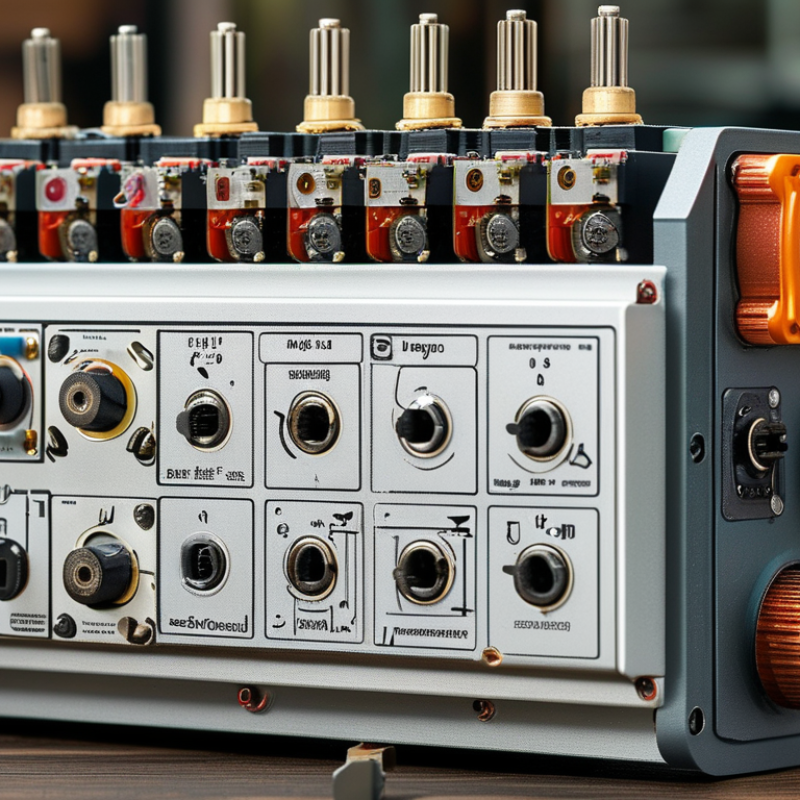
How to Choose the Best Single Phase AC Motor Controller?

Understanding the Basics of Single Phase AC Motor Controllers

When selecting a single phase AC motor controller, understanding the basics is crucial. These controllers manage the speed and torque of AC motors, impacting overall efficiency. Typically, they function by varying the electrical supply to the motor. This modulation allows precise control over motor performance, catering to various applications.

Consider the motor’s specifications. Knowing the voltage and current ratings helps you choose a compatible controller. Often overlooked, the control method used by the controller also plays a significant role. Whether it's PWM (Pulse Width Modulation) or phase control, it affects motor responsiveness and energy consumption. Evaluate these aspects carefully.

Choose a controller that meets the needs of your specific application. Sometimes, too many features can complicate usage. Simplicity can enhance reliability. It's advisable to seek options that offer just the necessary functionalities without excess. Factors like heat dissipation and ease of installation should not be ignored. Evaluate real-world scenarios and seek feedback from others who have made similar choices.

Single Phase AC Motor Controller Voltage Ratings

This bar chart illustrates the number of available single phase AC motor controllers across various voltage ratings. Understanding these voltage ratings is essential for selecting the right controller for specific applications.

Key Features to Consider When Selecting an AC Motor Controller

When selecting a single-phase AC motor controller, several key features are crucial for optimal performance. Efficiency is one of the primary concerns. Look for controllers with power factor correction. It enables better efficiency and reduced energy costs. Motor speed regulation is another critical feature. A controller should allow for smooth adjustments to the motor speed. Look for models that provide precise control over a wide range of speeds, ensuring that the motor can perform across various applications.

Thermal protection is another vital aspect to consider. An effective controller should include over-temperature protection features. This helps prevent motor damage and extends its lifespan. When evaluating options, pay attention to the controller's response time. A quick response time allows for immediate adjustments, enhancing overall performance. Keep in mind that not all controllers perform consistently under varying load conditions. It may be beneficial to conduct tests prior to a full-scale implementation.

User interface can also impact usability. A clear, intuitive display aids in monitoring performance and making adjustments. Some controllers feature built-in diagnostics, which can be invaluable for troubleshooting. Consider the mounting options and the controller's overall compatibility with your existing systems. Finding the right balance of features may take time. However, focusing on these elements ensures a reliable, efficient motor control solution.

Evaluating Efficiency Ratings and Performance Metrics of Controllers

When selecting a single phase AC motor controller, understanding efficiency ratings and performance metrics is essential. Efficiency ratings often indicate how well a motor controller converts electrical input into mechanical output. According to a report by the Department of Energy, high-efficiency motors are typically rated above 90%. Controllers that maintain this standard can significantly reduce energy consumption.

Performance metrics such as torque characteristics and speed control are vital. Research indicates that controllers with advanced algorithms can enhance torque response by up to 30%. This efficiency can lead to improved overall system performance. However, not all controllers perform equally in varying load conditions, which can lead to inefficiencies. Observing how a controller handles transient loads provides insight into real-world performance.

It is also important to consider thermal management. Controllers with inadequate heat dissipation can suffer premature failure. Data shows that over 50% of motor failures are related to heat. Ensuring that a motor controller has appropriate thermal regulation mechanisms can extend its lifespan. Evaluating these factors helps in choosing a reliable controller.

Analyzing Cost-Effectiveness and Return on Investment in Controller Choice

Choosing the right single phase AC motor controller goes beyond technical specifications. A crucial factor is cost-effectiveness. When evaluating options, consider initial costs and long-term savings. Some controllers might seem cheaper up front but incur higher operational or maintenance costs later. Conducting a thorough analysis of all financial aspects can prevent unforeseen expenses that could impact your budget.

Return on investment (ROI) is another important metric. It reflects how quickly a controller pays for itself. Look for controllers that provide significant energy efficiency. Energy-efficient models may have higher up-front costs but can lead to substantial savings on utility bills. Assessing the lifespan and performance reliability of the controller also influences ROI. Shorter lifespans may lead to more replacements, increasing overall expenses.

Additionally, reflection on your specific application is vital. Different tasks may require different features. It's worth considering what functions you truly need versus what may offer diminishing returns. Opting for unnecessary features can inflate costs unnecessarily. Balancing cost with performance can be challenging. An informed approach based on all aspects can lead to smarter investments in motor control solutions.

Exploring Compatibility and Installation Requirements for Motor Systems

Choosing the right single-phase AC motor controller involves understanding compatibility and installation requirements. Compatibility is essential to ensure seamless functioning with your motor system. Check the voltage and frequency ratings of both your motor and controller. Mismatched specifications can lead to inefficiencies or equipment damage.

Installation requirements should not be overlooked. Proper wiring and secure mounting are crucial for safety and functionality. Make sure you have the correct gauge wires to support the current load. Also, consider the environmental conditions where the controller will be installed. Humidity and temperature can affect performance.

One common oversight is not consulting the installation manual. Always refer to it for specific guidelines on clearance and ventilation. Another tip is to evaluate the controller's features. Look for overload protection and adjustable speed settings to enhance performance. Many users neglect these aspects during selection. Attention to detail here can prevent future issues.

Learn More

Connect with us today to learn more about our industrial automation solutions—and how to commission them for your application.