Top 5 EMI Filter Types to Enhance Your Electronics Performance
In an increasingly interconnected world, the performance and reliability of electronic devices are paramount. One crucial aspect that significantly influences these parameters is the use of EMI filters. EMI, or electromagnetic interference, can adversely affect electronic circuits, leading to degraded performance or complete failure. Therefore, designing effective EMI filters is essential for ensuring the optimal operation of electronic systems. This article delves into the top five EMI filter types that can significantly enhance electronic performance, providing insights into their benefits and applications.
Understanding the different types of EMI filters is vital for engineers and designers aiming to mitigate interference in their circuits. Each filter type serves a specific purpose, offering unique advantages depending on the application's requirements. From common mode filters to differential mode filters, the right EMI filter can shield sensitive components from unwanted noise, thereby improving the overall functionality and lifespan of electronic devices. Explore with us as we analyze these essential filtering solutions that play a pivotal role in achieving superior performance in modern electronics.
Overview of EMI Filters and Their Importance in Electronics
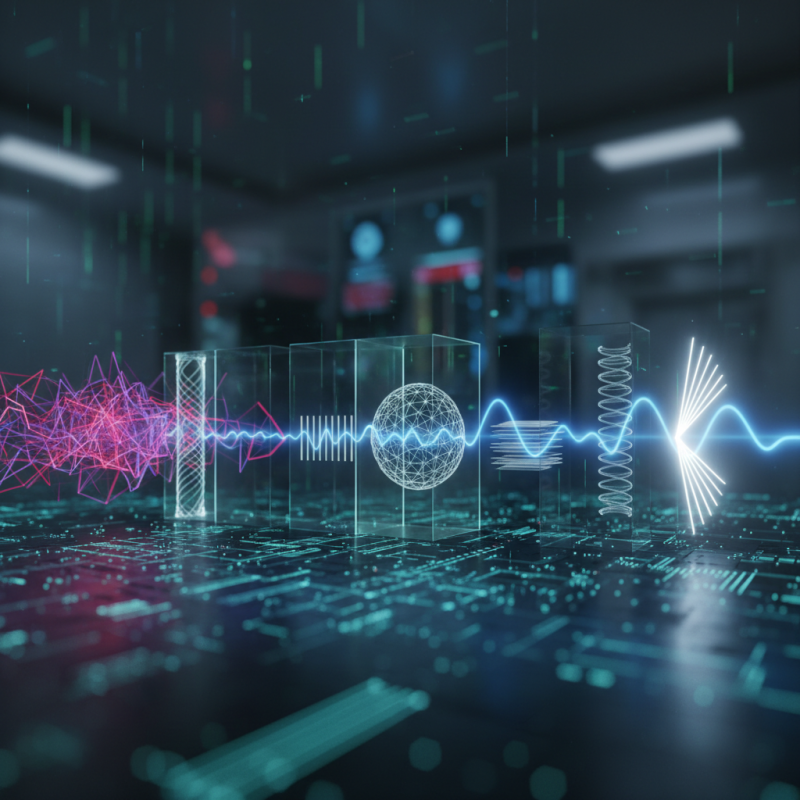
Electromagnetic interference (EMI) can significantly affect the performance and reliability of electronic devices. EMI filters are crucial in mitigating these unwanted disturbances, ensuring that devices operate seamlessly in their intended environments. These filters work by attenuating unwanted signals and noise, allowing the desired signals to pass through. By incorporating EMI filters, manufacturers can enhance the functionality and longevity of their products, making them more robust against external interferences.
When designing electronic systems, it's essential to choose the right type of EMI filter, as each type caters to different frequencies and performance needs. For instance, low-pass filters are effective in removing high-frequency noise, while high-pass filters can eliminate unwanted low-frequency signals. Understanding the nature of the EMI present in the application will guide the selection of the most suitable filter type.
**Tips:** When integrating EMI filters, consider the layout of your circuit. A well-thought-out layout can dramatically minimize the coupling of interference. Additionally, testing your designs under different conditions can help identify potential EMI issues early in the development process. Always keep in mind that the effectiveness of an EMI filter can also depend on the surrounding components, so collaborating with an experienced engineer can facilitate a more effective design.
Top 5 EMI Filter Types to Enhance Your Electronics Performance
| Filter Type |
Description |
Typical Applications |
Performance Characteristics |
| LC Filter |
Combination of inductors and capacitors used to filter out noise |
Switching power supplies, audio equipment |
High attenuation of high-frequency noise |
| RC Filter |
Resistor-capacitor combination to filter signal frequencies |
Signal processing, communication systems |
Simplicity and low cost |
| Pi Filter |
A three-element filter configuration with two capacitors and one inductor |
Power supplies, DC-to-DC converters |
Excellent ripple voltage reduction |
| Common Mode Choke |
A type of inductor that suppresses common mode noise |
Data communication lines, AC power lines |
Effective against high-frequency noise |
| Ferrite Bead |
A passive electronic component used to suppress high-frequency noise |
Microcontroller circuits, consumer electronics |
Compact size and effective high-frequency filtering |
Core Principles of EMI Filtering and Electromagnetic Interference
Electromagnetic interference (EMI) can significantly affect the performance of electronic devices, leading to malfunctions, data loss, and decreased reliability. Understanding the core principles of EMI filtering helps in selecting the right filter type for specific applications. EMI filters work by attenuating unwanted noise and interference signals, ensuring that the desired signals can function effectively. They can be implemented in various ways, depending on the source of interference and the design of the circuit, often involving passive components like inductors and capacitors to create low-pass, high-pass, or band-pass filtering characteristics.
Tips for effective EMI filtering include proper placement of filters within the circuit to minimize loop areas and maintain signal integrity. Additionally, shielding sensitive components and using twisted pair cabling can help further reduce the risk of interference. Considering the operating environment is also crucial; for instance, in industrial areas with high equipment interference, employing more robust filter designs can provide the necessary protection and enhance the overall electronic performance.
Moreover, regularly reassessing the EMI filtering strategy is essential, especially as technology evolves and new components are integrated into existing designs. Continuous testing and monitoring of the electronic performance can help identify areas where improved filtering may be needed, ensuring a reliable and efficient operation. By applying these principles and tips, engineers can significantly mitigate the risks associated with EMI in their electronic systems.
Top 5 EMI Filter Types: Capacitor Filters, Inductor Filters, and More
Electromagnetic interference (EMI) poses significant challenges in the design and performance of electronic devices. To effectively mitigate these interferences, various EMI filter types are employed, each tailored for specific applications. Among the top choices are capacitor filters, which play a crucial role in bypassing high-frequency noise to ground. According to a report by MarketsandMarkets, the growing demand for high-speed electronic devices is expected to drive the EMI filter market, projected to reach $3.67 billion by 2025. This highlights the importance of implementing capacitor filters to enhance overall device performance.
Inductor filters are another vital category that uses magnetic fields to filter out low-frequency noise. These filters are particularly effective in power supply applications, helping stabilize voltage levels and minimizing ripple. A study from ResearchAndMarkets indicated that the inductor segment is expected to expand at a CAGR of 6.5% through the next five years, reflecting the increasing adoption of these filters in various electrical and electronics systems. Additionally, active filters, which utilize electronic components to automatically adjust their filtering characteristics, are gaining traction. Their ability to adapt to changing interference levels makes them invaluable in modern communication systems. Overall, the evolving landscape of electronics necessitates a deeper understanding of these EMI filter types to optimize device reliability and performance.
Comparative Analysis: Performance and Application of Each EMI Filter Type
Electromagnetic interference (EMI) poses a significant challenge in modern electronics, affecting performance and reliability. Different EMI filter types serve unique roles in addressing these challenges, with each one suitable for specific applications.
A comparative analysis reveals that passive filters, such as LC filters, demonstrate excellent attenuation capabilities for both differential and common-mode noise. Studies indicate that LC filters can reduce EMI noise by up to 40 dB, making them a preferred choice for sensitive analog circuits.
On the other hand, active filters, though typically more complex, provide improved performance in dynamic environments by adapting to changing conditions. An industry report highlights that active filters can enhance signal integrity in environments with fluctuating interference levels, achieving noise reduction rates exceeding 60 dB under optimal conditions.
Ranging from RF and power line filters to ferrite bead filters, the selection process should consider factors like frequency range, insertion loss, and application requirements.
Tips: When selecting an EMI filter, pay close attention to the operating frequency range of your application to ensure maximum efficacy. Additionally, consider the physical size and heat dissipation capabilities of the filter in relation to your device’s design constraints, as these factors can significantly influence overall performance and longevity. Understanding the specific environment your equipment will operate in helps guide the choice of the most effective EMI filtering solution.
Best Practices for Selecting and Implementing EMI Filters in Devices
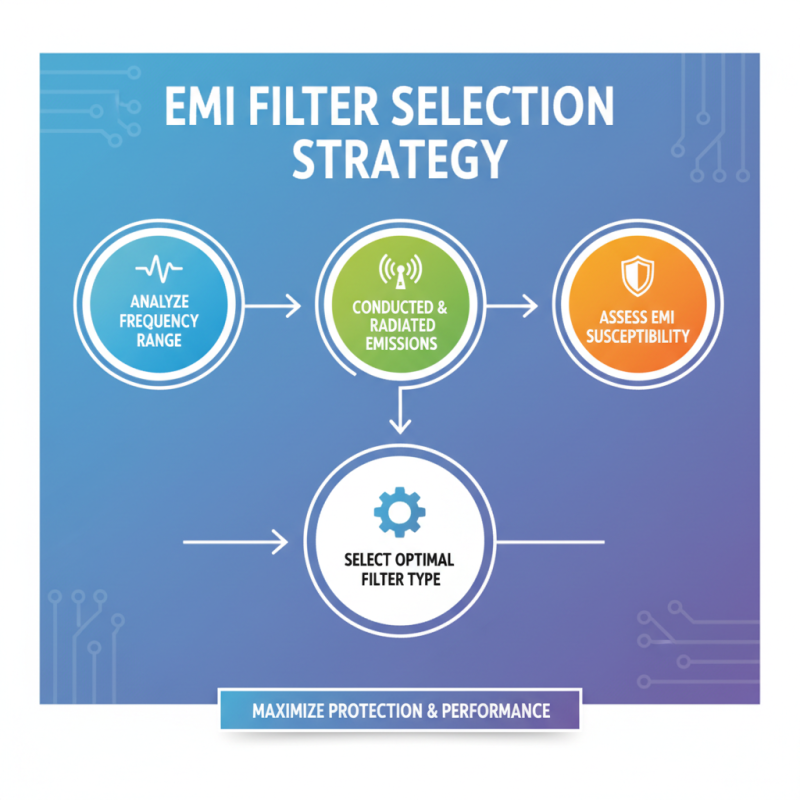
When selecting and implementing EMI filters for electronic devices, it's crucial to assess the specific electromagnetic environment in which the device will operate. Analyzing the frequency range of potential interference sources allows for a more effective filtration strategy. This involves considering both conducted and radiated emissions, which can vary widely depending on the application. A thorough understanding of the equipment’s susceptibility to EMI will aid in selecting the right type of filter, ensuring maximum protection and optimal device performance.
Once the appropriate EMI filter type is identified, proper implementation is key to achieving desired results. This involves careful consideration of the filter's placement within the circuit, as proximity to noise sources can significantly influence its effectiveness. Additionally, pay attention to the filtering performance specifications, such as insertion loss and cut-off frequency. Employing best practices during the installation phase, such as minimizing loop area and ensuring good grounding, can further enhance the filter's performance. By adhering to these guidelines, engineers can significantly mitigate EMI issues and improve overall system reliability.