How to Choose the Right Keb Clutch Brake for Your Needs?

Choosing the right KEB clutch brake is crucial for various applications. These components influence efficiency and safety in machinery. Selecting an ideal KEB clutch brake involves understanding your unique requirements.

Consider the operational environment. Factors like load capacity and speed can impact brake performance. The right KEB clutch brake should match these technical specifications. However, balancing power and precision can be challenging. Different models offer varied features, leading to potential confusion during selection.

Consulting reliable sources can help clarify your choices. Manufacturers often provide detailed insights, making decision-making easier. Still, some may find it hard to discern specifics. Personal experience and expert advice play significant roles. Reflecting on past choices can lead to better decisions in the future.
How to Choose the Right Keb Clutch Brake for Your Needs?

Understanding the Basics of Keb Clutch Brakes

Choosing the right KEB clutch brake begins with understanding their basic functions. KEB clutch brakes are crucial in various industrial applications. They provide reliable stopping power and control in machinery. When selecting a brake, consider the torque requirements of your machine. A mismatch can lead to inefficiencies, creating risks for your operations.

Another important aspect is the electrical aspect. Some clutch brakes require specific voltage and current levels. Ensure the brake you select can handle the electrical specifications of your system. If the specs don’t align, you may face performance issues. Reflecting on your existing machinery and its requirements is key here.

Additionally, consider installation and maintenance. Choosing a brake that is easy to install and service can save time and money. Complex installation might lead to operational downtime. Think also about the environment where the brake will operate. Factors like temperature, humidity, and dust can impact brake performance. It's always good to balance quality with practicality. Proper research and careful evaluation can yield better results.

Identifying Your Specific Needs and Applications

When selecting the right clutch brake, it is crucial to identify your specific needs and applications. Consider the environment where the clutch brake will be used. Is it a high-temperature setting or a place with heavy loads? Each application demands different performance specifications. The type of machinery involved also plays a role. Different machines may require distinct sizes and functionalities.

Evaluate your operational demands. If you frequently engage and disengage the clutch, look for models that offer durability and quick response. Heavy-duty applications benefit from clutches that can withstand frequent use without compromising performance. Reflect on the potential for wear and tear. Opt for materials that can endure harsh conditions or abrasive settings, ensuring reliability over time.

Don’t forget to consider maintenance requirements. Some clutch brakes may need regular inspections or adjustments. Simpler systems can save time and reduce operational costs. Think about any unique features that enhance usability or safety. For instance, a design that facilitates easy installation or provides clear performance indicators can make a big difference. Balancing these factors can be a challenging yet essential task for ensuring you choose the right clutch brake.

Comparing Different Types of Keb Clutch Brakes

When choosing a KEB clutch brake, understanding the different types available can streamline your decision. KEB clutch brakes primarily come in two categories: electromagnetic and pneumatic. Electromagnetic brakes offer quick response and can handle varying power levels, making them suitable for applications requiring precision. Pneumatic brakes, on the other hand, provide robust torque capabilities, which are ideal for heavy-duty industrial settings.

Consider your specific needs when comparing options. Electromagnetic brakes excel in applications requiring frequent start-stop cycles. They thrive in automated environments. Pneumatic brakes work well in harsh conditions. They provide durability and reliable performance under significant load.

Look at the installation process too. Some clutch brakes are easier to mount than others. A simple setup may save time and labor costs. Maintenance is another crucial aspect to evaluate. Opt for models that promise low upkeep and easy servicing.

Assessing these factors can help you choose wisely. Reflect on how each type aligns with your operational requirements. Making a choice based on thorough analysis will ensure a better fit for your applications.

Evaluating Quality and Performance Factors

When selecting a Keb clutch brake, evaluating quality and performance factors is crucial. High-quality materials ensure durability and efficiency. Research shows that products using advanced composites can last up to 30% longer in harsh environments. These brakes withstand extreme conditions without compromising performance.

Understanding performance metrics is equally important. Look for specifications such as torque capacity and response time. A reliable clutch brake demonstrates consistent engagement within milliseconds, enhancing operational efficiency. Industry studies indicate that systems with high response times can improve overall process speeds by 15-20%.

Additionally, consider environmental certifications. Products meeting stringent industry standards often signify a commitment to sustainability and reliability. However, not all manufacturers clearly state their compliance. This uncertainty requires careful scrutiny of product documentation. Ensuring high quality and reliable performance can prevent costly breakdowns in the long run. Investing time in research will ultimately pay off in operational efficiency and reduced maintenance costs.

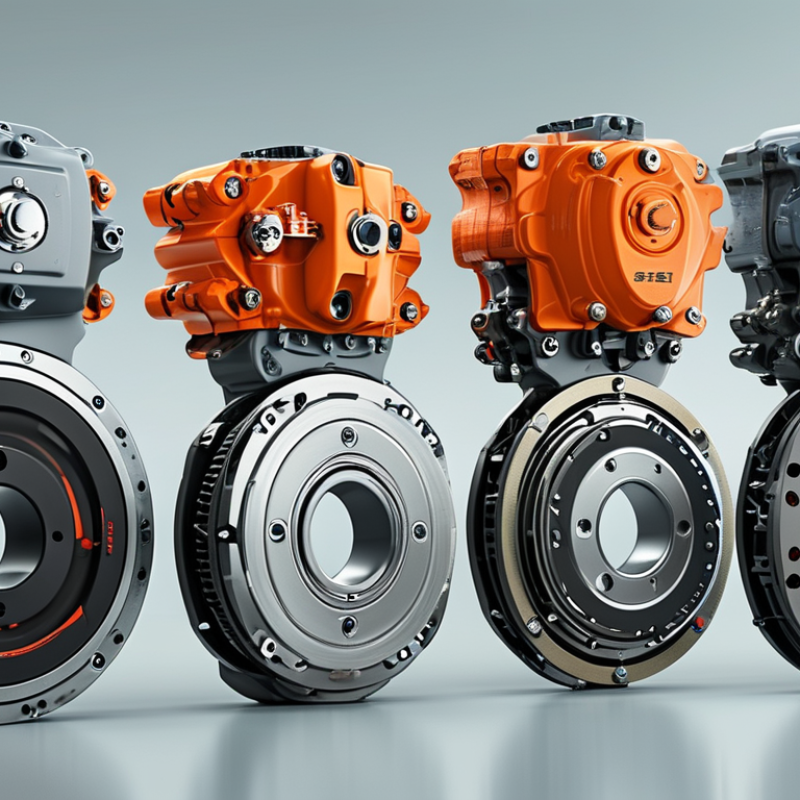
Performance Evaluation of Different Keb Clutch Brake Models

Making an Informed Decision: Budget and Brand Considerations

When selecting the right Keb clutch brake, budget and brand considerations play a significant role. It’s essential to assess your financial limits first. Determine how much you are willing to invest without compromising quality. High-end products may offer superior performance but can strain your budget. Conversely, more affordable options may lack essential features you need. The key is finding the perfect balance between cost and functionality.

Brand reputation also matters. Some brands are known for their reliability and performance. Researching customer reviews can provide insights into the experiences of others. Look for feedback on durability and efficiency. However, don't just rely on popular labels; newer brands might offer innovative solutions at lower prices. Evaluate whether these options have the necessary certifications and guarantees before making a decision.

Remember to reflect on your specific requirements. Think about the type of tasks you will perform with the clutch brake. What works for someone else may not suit you. Consider seeking advice from professionals or forums. This can guide you in making a more informed choice. Balancing your needs with available options can lead to satisfaction.

How to Choose the Right Keb Clutch Brake for Your Needs?

Dimension Value Budget Range Usage Consideration
Diameter 100 mm $50 - $70 Light-duty applications
Weight 2 kg $70 - $90 Medium-load applications
Torque Rating 50 Nm $90 - $120 Heavy-duty applications
Material Steel $40 - $60 Corrosive environments
Type Hydraulic $200 - $300 High-performance systems

Learn More

Connect with us today to learn more about our industrial automation solutions—and how to commission them for your application.