How to Choose the Best Gear Reducer for Your Needs?

Choosing the right gear reducer can significantly impact your machinery's performance. Gear reducers are essential components in many machines. They help manage speed and torque, making them vital for effective operation.

In the market, various gear reducers are available, each suited for different applications. Selecting the best one can be daunting. You must consider factors like load capacity, efficiency, and environment. Misjudgment in these areas can lead to inefficiencies. It's important to understand your specific needs before making a choice.

Expert knowledge about gear reducers can provide valuable insights. The right choice can enhance durability and minimize maintenance costs. Relying on reputable sources and professional advice will guide you. Addressing your specific requirements and the application can reduce guesswork. An informed decision can ultimately lead to better performance and reliability.
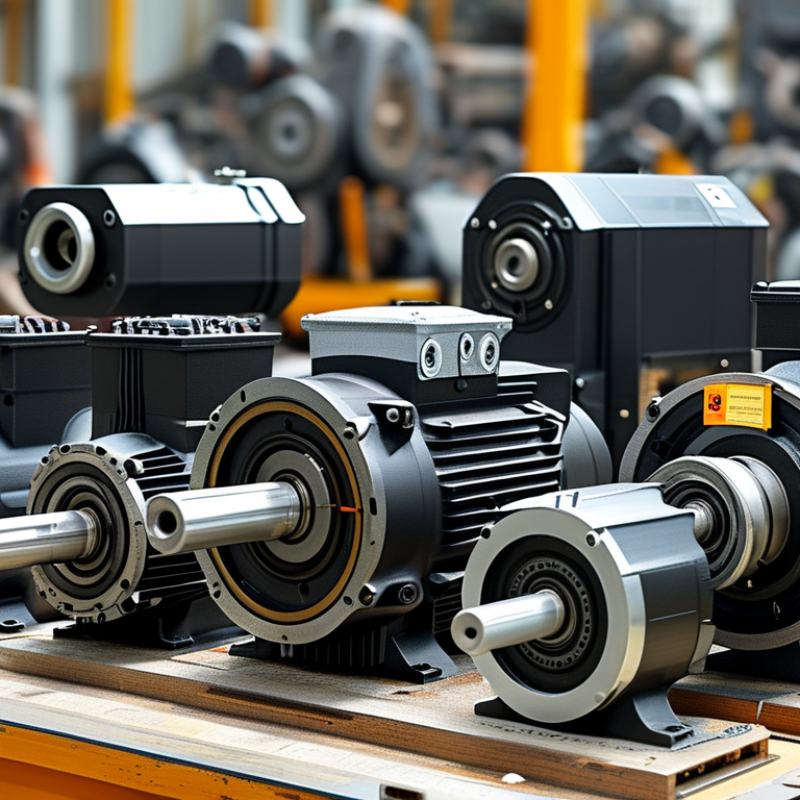
How to Choose the Best Gear Reducer for Your Needs?

Understanding the Basics of Gear Reducers

Understanding gear reducers is essential for many industries. These devices adjust the speed and torque from motors to machines. They play a vital role in enhancing efficiency. According to a report by the Market Research Future, the global gear reducer market is projected to reach $36 billion by 2025. As such, knowing how to select the right gear reducer is crucial.

Gear reducers come in various types, such as worm gears, bevel gears, and helical gears. Each type has unique applications and benefits. For instance, worm gears are known for their high reduction ratios. Conversely, helical gears offer smoother operation at high speeds. Understanding these differences can impact your operational efficiency. A study by the American Gear Manufacturers Association highlighted that improper gear reducer selection can lead to a 10% decrease in overall system efficiency.

Choosing the right gear reducer involves considering torque requirements and load conditions. High-load applications need robust reducers. A mismatch in these areas can cause significant failures. The International Electrotechnical Commission suggests regular monitoring and maintenance. This practice can prevent unexpected breakdowns and prolong gear life.

Identifying Your Specific Application Requirements

When selecting the right gear reducer, understanding your specific application requirements is crucial. Start by assessing the gear ratio needed for your operation. A higher ratio might be necessary for applications requiring a significant torque increase. However, a lower ratio could be preferable for speed applications. It's a delicate balance. Misjudging this can lead to inefficiencies.

Next, consider the environment where the gear reducer will operate. High temperatures, moisture, or dust can affect performance. A reducer designed for harsh conditions might be essential. Think about the load type as well. Is it steady or is it dynamic? Understanding these factors will help narrow down your options. It’s important to involve your team in this discussion. Their experience can bring valuable insights.

Don't overlook the mounting style and space limitations in your setup. An incompatible design might cause installation headaches later on. A review of operational noise and vibration levels is also needed. Sometimes, quieter models are worth the extra cost. Reflect on your existing systems too. The best gear reducer should integrate seamlessly with your machinery.

Evaluating Gear Ratio and Output Torque Needs

Choosing the right gear reducer starts with understanding your gear ratio and output torque requirements. Gear ratio determines the relationship between the input and output speeds. A higher gear ratio means slower output speed but increased torque. Conversely, a lower gear ratio yields faster speeds but less torque. It’s important to analyze what your specific setup demands.

Output torque is equally crucial. This parameter defines the turning force that a gear reducer can provide to your machinery. If your application involves heavy loads, ensure the reducer can handle the required torque. Many users overlook torque ratings and face operational issues later. Remember, inadequate torque can lead to equipment damage or failure.

Practical application is key. Consider the environment where the reducer will operate. Temperature, load conditions, and duration of use impact performance. Each factor can influence efficiency. Balancing gear ratio and output torque requires careful thought. Don’t rush this decision; explore various configurations. This will help in making a choice that meets your needs without compromising reliability.

Comparing Different Types of Gear Reducers

When selecting a gear reducer, it's essential to understand the different types available. Each type has unique features that cater to specific applications. For instance, helical gear reducers offer smooth operation and high efficiency due to their angled teeth. They excel in high-speed applications where noise reduction is crucial. In contrast, worm gear reducers provide high torque and are often used in applications requiring significant speed reduction.

Understanding the appropriate gear reducer can greatly impact efficiency. According to industry reports, choosing the right reducer can improve overall system performance by as much as 20%. Gear reducers not only balance speed and torque, but they also influence energy consumption. Over time, the wrong type can lead to increased wear and tear, causing unexpected downtimes.

Tips: Assess your application's specific needs before making a choice. Don’t overlook the importance of load ratings. Regular maintenance can also enhance the lifespan of gear reducers, ensuring better performance. Always seek advice from experienced professionals when in doubt.

Comparison of Different Types of Gear Reducers

Assessing Manufacturer Reputation and Support Services

When selecting a gear reducer, manufacturer reputation is key. A strong track record suggests reliability. Look for companies with experience in the industry, as this often indicates a deep understanding of customer needs. Manufacturers who have been around for years usually navigate challenges better. It's also wise to read reviews and testimonials. Insights from other users can sharpen your decision-making.

Support services play a critical role in your choice. Responsive customer service can save time and resources. Quick answers to your questions are essential. Consider companies that offer technical support after your purchase. This can prevent future issues and keep operations running smoothly. It's important to assess how they handle complaints. A robust system for addressing concerns reflects commitment to customer satisfaction.

Many manufacturers might claim exceptional support. However, not all deliver on these promises. Experience is essential, but constant evaluation of service quality is equally crucial. Think carefully about these factors. A lesser-known brand might surprise you with exceptional support. Choose wisely, and always keep an eye on their response times.

Learn More

Connect with us today to learn more about our industrial automation solutions—and how to commission them for your application.