What Is the Best ATO Single Phase VFD in 2026?
Choosing the best ATO single phase VFD in 2026 starts with the motor, not the product name. A drive must match the available supply, motor voltage, rated current, and operating demands. A small pump and a workshop lathe may use similar motors, yet need different control behavior. Check the motor nameplate before comparing models. It is an easy step to overlook.
This guide explains how to compare ATO single-phase input drives by power rating, output compatibility, overload capacity, speed control, and protection features. It also considers practical details, such as enclosure conditions, wiring requirements, and whether the drive offers controls suited to your application. Product specifications can change, so verify current documentation and consult a qualified electrical professional when installation details are uncertain. That matters.
There is no single winner for every setup. A model that performs well with a fan may not suit a machine requiring frequent starts or steady low-speed torque. Price matters, but so do correct sizing, clear instructions, and dependable support. I would not choose from horsepower alone; that shortcut can leave important requirements unanswered. The sections ahead offer a grounded way to narrow the options and identify the ATO drive that fits your motor and working conditions.
Understanding How a Single-Phase ATO VFD Works
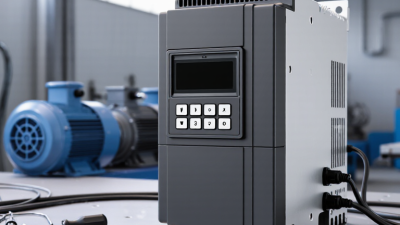
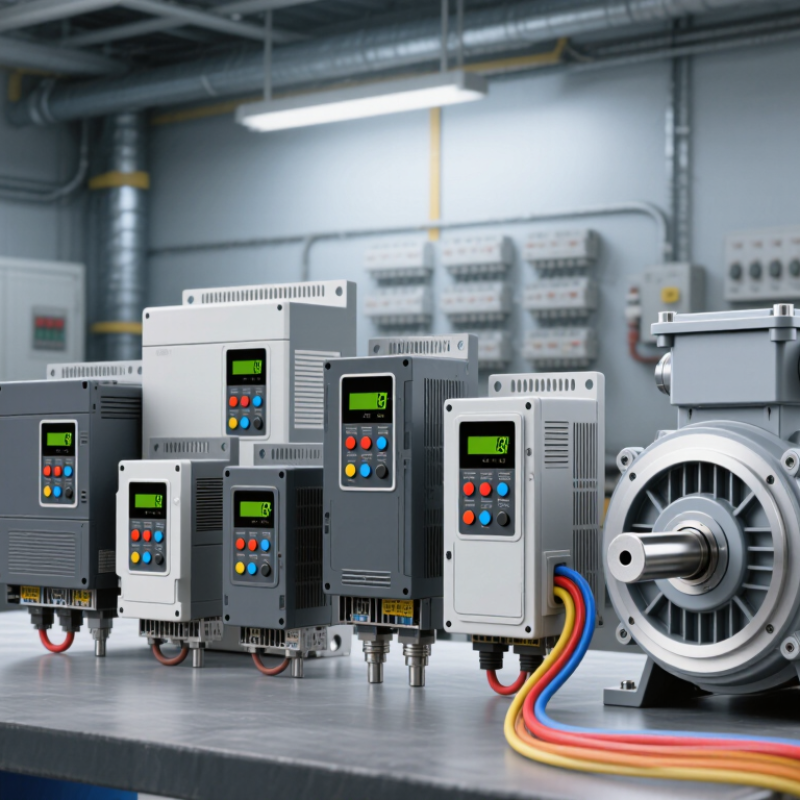
A single-phase VFD changes the electrical supply so a compatible motor can run at adjustable speeds. In many common setups, the drive accepts single-phase AC, rectifies it into DC, then switches that power into variable-frequency AC for a three-phase motor. Frequency sets the motor’s speed; voltage is adjusted alongside it to maintain suitable operation. That is the basic idea.
The frequency command may come from a keypad, a control signal, or an external switch. At 30 hertz, for example, a motor usually turns more slowly than at 60 hertz, though its actual speed also depends on its design and load. The drive can ramp the motor up and down, which helps avoid abrupt starts and stops. Small changes matter. A conveyor carrying boxes may need a slower ramp than an unloaded fan.
Check the drive’s input and output ratings against the motor nameplate, especially voltage and current. A single-phase input does not mean every motor type is suitable; many drives are intended for three-phase motors, not capacitor-start single-phase motors. Wiring, grounding, cooling, and parameter settings also affect performance. Heat builds quickly. It is tempting to focus only on horsepower, but that can miss important details, so the motor manual and drive documentation deserve a careful read before installation.
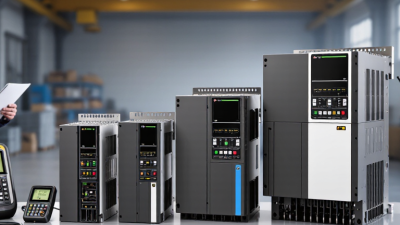
Comparing ATO Single-Phase VFD Models Available in 2026
When comparing single-phase VFD models available in 2026, start with the power supply and motor plate. Some units accept 110–120 V input, while others require 220–240 V. Their output ratings and supported motor sizes differ. Check the label.
A practical comparison should include continuous output current, overload capacity, enclosure rating, and cooling method. A compact drive may fit beside a workshop bench, but it can run hot inside a dusty cabinet. Heat matters. Match the drive’s current rating to the motor, not just its advertised horsepower; ratings can vary with voltage and operating conditions.
Also compare control options. Basic models may provide keypad speed adjustment, while others include terminals for external switches or sensors. For a small pump or lathe, simple controls may be enough. For frequent starts or changing loads, review acceleration settings and protection functions. A feature list can look impressive, yet setup may take patience. Confirm that the selected drive is designed for your motor type, and check its manual for wiring, grounding, and installation requirements before purchase.
Checking Motor Compatibility and Drive Specifications
A single-phase VFD can be a practical choice where only single-phase supply is available, but the motor must match the drive’s output. Many such drives accept single-phase input and provide three-phase output. Check the motor nameplate for voltage, rated current, power, and frequency before comparing models. Current matters most: a drive’s advertised power rating alone may not show whether it can handle the motor’s load.
Small details matter. Confirm the drive is designed for single-phase input, and check whether its rated output current is reduced in that configuration. Some units need extra capacity or specific wiring; follow the manufacturer’s manual rather than assuming a close power match is enough. Also verify the motor type. Standard three-phase induction motors are commonly suitable, while capacitor-start or capacitor-run single-phase motors may not be compatible. Measure, don’t guess.
Think about how the machine will operate, too. A conveyor starting with a heavy load needs different overload capacity from a lightly loaded fan. Check the required speed range, acceleration time, braking needs, and cooling at low speeds. An older motor may run acceptably in a brief test, yet heat up during prolonged low-speed use. That uncertainty is worth taking seriously. Compare the motor’s nameplate data with the drive manual, then confirm operation under the actual load and installation conditions.
Single-Phase-Input VFD: Estimated Motor Current at 230 V
Current values are estimates calculated for a 230 V three-phase motor using 85% efficiency and 0.80 power factor; actual nameplate current varies by motor. For compatibility, confirm the motor’s voltage and phase configuration, then select a drive whose rated output current meets or exceeds the motor nameplate current. A 230/400 V Δ/Y motor is typically connected in delta for a 230 V drive output, subject to its nameplate and wiring diagram.
Evaluating Performance, Protection, and Control Features
Choosing a single-phase VFD means checking real operating conditions, not just the largest horsepower figure. Confirm the supply voltage, motor rating, and required output phase before comparing models. A drive feeding a three-phase motor from a single-phase supply may need extra capacity because input current can be higher. Check the manufacturer’s derating guidance, especially in a warm cabinet or at low speeds.
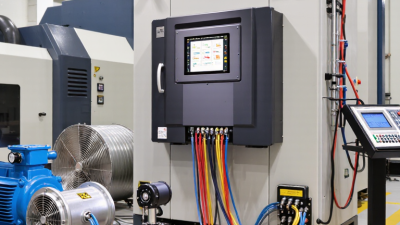
Protection matters when a motor starts repeatedly or drives a changing load. Look for overload, overcurrent, overvoltage, and overheating protection, then verify how faults are displayed and reset. A clear fault code is more useful than a warning light alone. A neat specification sheet can still mislead. Installation quality, cable length, and ventilation affect performance too, so leave room around the drive and follow its wiring instructions.
Control features should match the job. For a pump or fan, adjustable acceleration and deceleration can reduce abrupt starts. For a small workshop machine, a keypad may be enough; remote terminals or a communication interface may help with automated control. Check whether speed settings remain stable under load, and whether the drive supports the motor’s control method. Test it under load. Record current, temperature, and response during a normal work cycle. That practical check may reveal limits a catalogue cannot.
Selecting an ATO VFD for Your Application in 2026
Selecting an ATO single-phase VFD in 2026 starts with the motor nameplate, not the product’s largest advertised feature. Match the drive’s output voltage and continuous current to the motor, and confirm that its input supply suits the site. A 2.2 kW rating alone is not enough; current, overload demand, and operating conditions matter. That matters.
Consider what the machine does. A fan or pump may need gentle acceleration, while a loaded conveyor can demand stronger starting torque. Check the VFD’s overload rating, acceleration settings, braking needs, and permitted motor type. If the motor runs for long periods at low speed, cooling may be reduced, so verify its thermal limits. Heat wins. A dusty workshop or damp utility room also calls for an enclosure suited to the environment.
Before purchase, check the installation manual for wiring, grounding, cable length, and any required protective devices. Confirm that a single-phase input model provides the output your motor requires; the terms are easy to confuse. During commissioning, test the motor under its real load and watch for nuisance trips, excess noise, or unexpected heating. A few convenient features can look impressive, but they are not useful if the drive is poorly matched or difficult to set up.