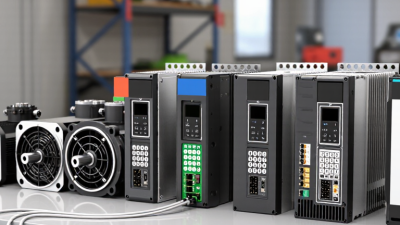
How to Choose the Best ATO Single Phase VFD in 2026?
Choosing the best ATO single phase VFD in 2026 requires more than comparing prices and rated horsepower. The right drive must match the motor, load profile, wiring, enclosure, and working environment. A 230V single-phase input may produce three-phase output, but compatibility is never automatic. Check motor current carefully. A mismatch can cause overheating, nuisance trips, or weak starting torque.
ATO technical consultant Jacky Chen explains, “A dependable VFD begins with the application, not the catalog rating.” This practical view matters when selecting an ATO single phase VFD for pumps, conveyors, fans, lathes, and small machine tools. A pump may need smooth acceleration. A conveyor may demand stronger low-speed torque. A dusty workshop may require better protection and ventilation. Small details become expensive problems later.
Look beyond the front-panel display. Examine overload capacity, speed control, braking performance, noise filtering, cooling design, and installation clearance. Confirm whether the drive supports your control method, such as keypad, terminals, potentiometer, or external PLC signals. Review the motor’s rated frequency and current before energizing the system. Safety procedures and qualified installation remain essential.
The “best” model is not always the largest one. That assumption deserves reconsideration. A correctly sized drive often runs cooler, responds more predictably, and costs less to operate. Still, product documents may not explain every real-world condition. Cable length, ambient heat, frequent starts, and unstable supply voltage can change the result. This guide explores those practical factors, helping readers choose an ATO single phase VFD with greater confidence and fewer costly surprises.
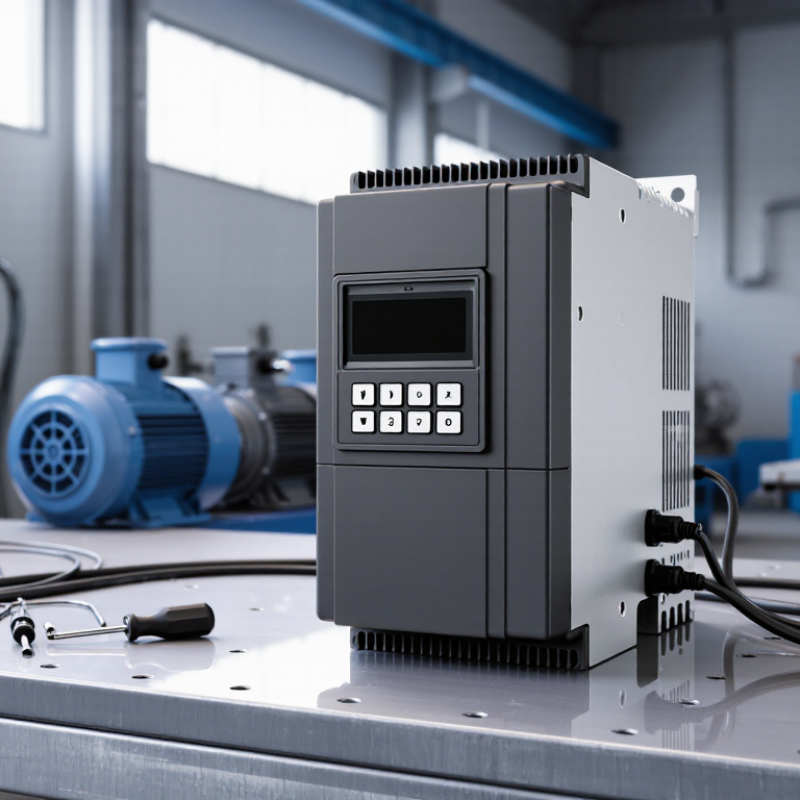
Understanding ATO Single-Phase VFDs and Their 2026 Applications
A single-phase VFD converts single-phase incoming power into controlled motor output, commonly for three-phase induction motors. This design suits workshops, pumps, fans, conveyors, and compact HVAC equipment. It can provide soft starting, speed adjustment, and lower mechanical shock. However, not every single-phase motor accepts a VFD. Capacitor-start motors often need a different control method.
The U.S. Department of Energy’s Motor Systems Market Assessment reports that motor-driven equipment uses about 69% of industrial electricity in the United States. The IEA also estimates that electric motor systems consume roughly half of global electricity. These figures explain why efficient speed control matters in 2026. When choosing a unit, check input voltage, output current, overload capacity, braking needs, and enclosure protection. Match the drive to the motor’s nameplate current, not only its horsepower. A small error here can create heat, noise, or unstable acceleration.
Tips: Confirm whether the motor is three-phase before ordering. Measure the supply voltage during peak operation. Choose a drive with adjustable acceleration and deceleration times. For dusty workshops, sealed protection is valuable. IEC 61800-5-1 guidance can support safer installation decisions. I have seen users focus too heavily on rated power. That is not always enough. Cable length, ambient temperature, switching frequency, and ventilation can change actual performance. No selection rule is perfect. Leave practical margin, but avoid excessive oversizing, which may reduce control precision.
How to Choose the Best Single-Phase VFD in 2026?
A single-phase-input VFD is commonly used to control a three-phase induction motor where only single-phase utility power is available. The chart shows the theoretical synchronous speed of a four-pole motor at common operating frequencies. Actual loaded speed is slightly lower because of motor slip.
For pumps and fans, variable-frequency operation can reduce energy use because flow is approximately proportional to speed, pressure follows the square of speed, and ideal fan or pump power follows the cube of speed. For conveyors, mixers, and machine tools, select the VFD according to motor rated current, overload requirement, acceleration time, braking needs, enclosure rating, and the available single-phase voltage.
Matching VFD Specifications to Motor Type, Power, and Voltage
Choosing the best single-phase VFD starts with the motor nameplate, not the product listing. Check rated voltage, full-load current, frequency, and phase configuration. A single-phase input VFD may provide three-phase output for a compatible induction motor. It does not automatically suit every single-phase motor.
Match the VFD’s output voltage to the motor’s connection. A 230-volt motor needs a corresponding output setting and wiring arrangement. Size the drive by motor current, not horsepower alone. Pumps, compressors, and conveyors can demand extra starting torque. Select a VFD with suitable overload capacity, acceleration control, and braking performance. In field commissioning, current readings often reveal more than a neat kW match. I once trusted the motor size too quickly. That was a mistake.
Tips: Confirm whether the motor uses a capacitor, centrifugal switch, or electronic controller. Many capacitor-run motors are unsuitable for standard VFD operation. Check the manual before connecting anything. Compare the VFD’s continuous output current with the motor’s rated current, leaving practical margin for hot environments or frequent starts. Set the motor frequency and voltage parameters accurately. Use shielded cables and proper grounding where required. A qualified technician should verify insulation, rotation, and emergency-stop behavior before regular operation.
Evaluating Control Features, Protection Functions, and Energy Efficiency
How to Choose the Best ATO Single Phase VFD in 2026?
When choosing an ATO single phase VFD, examine control quality before relying on output power alone. Sensorless vector control can maintain torque during low-speed operation. Autotuning also improves motor response after installation. For pumps and fans, built-in PID control can stabilize pressure or flow without constant manual adjustment. These features matter in real workshops, where loads change every few minutes.
Protection functions deserve equal attention. Look for overcurrent, overvoltage, overheating, stall, short-circuit, and ground-fault protection. Input phase-loss detection is useful, but it cannot replace correct wiring and grounding. The International Energy Agency estimates that electric motors consume about 45% of global electricity. Therefore, energy performance is not a minor specification. Variable-speed control can reduce power sharply in centrifugal systems, following the affinity laws. Still, savings depend on the load profile, motor condition, and operating schedule. A VFD is not automatically efficient.
Tips: Check the motor nameplate, rated current, insulation suitability, and required acceleration time. Measure energy before and after installation. The U.S. Department of Energy’s motor-system guidance recommends evaluating the complete system, not just the drive. In practice, installers sometimes select oversized drives for comfort. That choice may increase cost and weaken low-load efficiency. Review IEC 61800-9 efficiency data where available, and leave space for ventilation. Shorter cables help. So does regular cleaning.
Comparing Installation Requirements, Compatibility, and Operating Costs
Choosing the best single-phase VFD starts with installation reality, not catalogue power. Confirm the supply voltage, available current, breaker capacity, and grounding method. A 230-volt input may require heavier wiring than expected. Check the enclosure rating when dust, oil mist, or washdown water is present. The U.S. Department of Energy reports that motor systems can represent about 70% of industrial electricity use, so poor installation can multiply losses.
Compatibility is equally important. Match the drive to the motor’s rated voltage, frequency, current, and overload requirement. Many single-phase input drives provide three-phase output, meaning the motor must support three-phase operation. A capacitor-start single-phase motor is usually unsuitable. Read the motor nameplate carefully. It takes less than five minutes. Still, technicians sometimes select by horsepower alone, which is an avoidable mistake. IEC 61800 guidance also highlights protection, electromagnetic compatibility, and safe operating limits.
Operating cost includes more than electricity. Compare drive efficiency, standby consumption, cooling requirements, replacement fans, and commissioning labor. The U.S. DOE notes that variable-speed control can deliver major savings in centrifugal fan and pump applications, often reaching 20–50% when speed reduction is substantial. Savings can be smaller for constant-torque loads. Add harmonic filters when the supply is sensitive, but include their purchase and maintenance costs. A lower-priced unit may create higher lifetime expenses. The calculation should use measured load profiles, not optimistic assumptions.
Selecting the Best ATO Single-Phase VFD for Your Specific System
Choosing the best ATO single-phase VFD starts with your specific system, not the lowest price.
Confirm the input voltage, motor voltage, rated current, power, and frequency range. A VFD must match the motor’s full-load current, not only its horsepower. Check the motor nameplate carefully. Small differences matter.
Consider how the machine operates in real conditions.
A conveyor may need strong low-speed torque, while a fan usually needs smoother speed control. For pumps, verify acceleration time and protection against dry running or sudden load changes. In a workshop, dust, heat, and poor ventilation can shorten the drive’s service life. Select a suitable enclosure and leave clear space around the cooling fan.
Control method also deserves attention.
Terminal control suits fixed machinery, while keypad or analog control may fit adjustable processes. Review overload capacity, braking needs, fault history, and restart behavior before installation. A qualified technician should check grounding, cable size, shielding, and electromagnetic interference. Follow the manufacturer’s manual and applicable electrical requirements.
A practical commissioning test can reveal problems early.
Run the motor without load first, then observe current, noise, vibration, and temperature. I still see systems selected from motor wattage alone. That shortcut can fail when starting torque or duty cycles change. No selection method is perfect. Record the operating results and adjust cautiously after real testing.