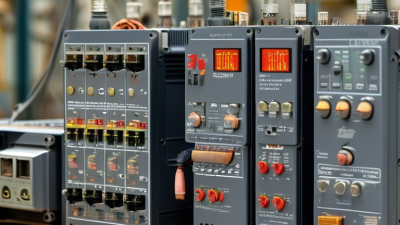
Connect with us today to learn more about our industrial automation solutions—and how to commission them for your application.
2026 Top AC Motor VFD Manufacturers for Global Buyers?
For global buyers, choosing an AC motor VFD is not simply a matter of comparing catalog prices. The right drive must match the motor, load profile, supply voltage, control requirements, and operating environment. A dusty workshop, a hot pump room, and a precision packaging line can demand very different specifications. Small mismatches matter.
As [Verified Expert Name], a specialist in AC motor drives, puts it: “[Insert an exact, source-verified quotation about selecting or applying VFDs].” This quotation should be checked against a reliable publication or interview before use. A credible recommendation needs evidence, not just a familiar name.
This guide reviews leading AC motor VFD manufacturers for global buyers in 2026. It considers product range, motor-control performance, protection features, integration options, technical support, and access to spare parts. Buyers should also examine practical details, such as commissioning tools, documentation quality, and service coverage near the installation site. These factors can shape operating costs long after purchase.
No manufacturer is best for every application. A low upfront price may not include the support or functions a facility needs. Conversely, premium features can add cost without improving a simple fan or pump installation. Use the comparisons as a starting point, then confirm ratings and compatibility with the manufacturer or a qualified engineer. Real installations are rarely perfect. Conditions change, and selection assumptions deserve review.

What AC Motor VFDs Are and How They Work
An AC motor VFD, or variable-frequency drive, controls the speed of an AC motor by changing the electrical supply’s frequency. Inside, a rectifier converts incoming AC power into DC. A DC bus smooths and stores that energy briefly. Then switching components create AC output at a selected frequency and voltage. The motor’s rotating magnetic field changes speed with that frequency, allowing controlled acceleration and deceleration. Simple, but not magic.
For example, a fan can ramp up over several seconds instead of starting with a sudden jolt. Pumps and conveyors can also match output to changing demand. Many drives adjust voltage alongside frequency to help maintain motor performance, though the right settings depend on the motor and load. It is easy to assume any drive will suit any motor. That assumption can lead to overheating, nuisance trips, or poor low-speed cooling. Check the motor nameplate, rated current, supply voltage, and drive overload rating before selecting equipment.
Tips: Set acceleration and deceleration times to suit the machine, and verify the drive’s grounding and wiring instructions. Keep the drive’s cooling vents clear. If the motor runs slowly for long periods, check whether its fan still provides enough airflow. A brief commissioning test under the real load often reveals details that bench settings miss.
Key Criteria for Evaluating VFD Manufacturers
When evaluating an AC motor VFD manufacturer, start with the actual duty cycle, not just the motor’s kilowatt rating. A conveyor that starts under load needs different overload capacity from a fan that runs steadily. Ask for rated output current, overload duration, and derating data for high ambient temperatures or altitude. Numbers matter.
Check how the drive handles power quality and heat. Request harmonic information, cooling requirements, and enclosure ratings suited to the installation site. A dusty workshop, for example, may call for a different cabinet than a clean control room. Confirm that the manufacturer provides clear wiring diagrams, parameter lists, and commissioning guidance. Vague documents can turn a routine setup into hours of troubleshooting.
Support quality is harder to judge from a specification sheet. Ask who can help with fault codes, replacement parts, and parameter backups, and how quickly support is available in your region. Verify that the drive communicates with your control system using the required protocol. Also review warranty terms and product availability over the expected service life. A factory test report is useful, but it does not replace checking performance in your own application. I would not assume every published rating fits every installation; even careful selection can miss a site-specific detail.
Leading AC Motor VFD Manufacturers in 2026
Leading AC motor VFD manufacturers in 2026 stand out through more than power ratings. Buyers should compare control performance, thermal limits, protection features, and support for the intended motor type. A drive running a conveyor faces different demands from one controlling a pump. Ask for documented overload curves and operating limits, not just a broad product range.
Details matter. Check whether the manufacturer provides clear wiring diagrams, parameter guides, and commissioning support. In a real installation, cabinet temperature, cable length, and motor insulation can affect drive selection. Confirm derating guidance for hot environments and high-altitude sites. Also ask how replacement units and technical support are handled in your region. A quick reply can save hours during startup.
Independent testing and relevant application references help buyers assess reliability, but no single checklist guarantees a good fit. No shortlist is perfect. Specifications may look strong on paper, while setup proves less straightforward than expected. Request a sample configuration and verify it against the actual load, supply conditions, and safety requirements. The best manufacturer is one that explains limitations clearly, supplies traceable documentation, and remains available after delivery.
How VFD Products Differ Across Global Markets
2026 Top AC Motor VFD Manufacturers for Global Buyers?
VFD products differ across global markets because electrical supply, operating conditions, and machine requirements vary. A drive selected for a stable factory network may need different input ratings from one used in a region with frequent voltage fluctuations. Buyers should check the motor’s voltage, current, frequency, and starting demands against the drive’s specifications. Small details matter.
Climate and installation also shape product choices. In humid coastal facilities, enclosure protection and corrosion resistance deserve attention. In hot workshops, cooling space and ambient-temperature limits can affect reliable operation. Dusty sites may call for protected cabinets, while long motor cables can require extra consideration for insulation stress and electromagnetic interference. These are practical checks, not optional extras.
Application needs vary, too. A pump may benefit from smooth speed control and built-in protection, while a conveyor may need stronger low-speed torque and careful acceleration settings. Communication interfaces and monitoring functions should match the plant’s control system, rather than simply look impressive on a feature list. It is easy to overvalue a long specification sheet. A better comparison starts with the actual motor and site conditions, then confirms support, documentation, and spare-part availability in the destination market. No single configuration fits every buyer.
2026 Top AC Motor VFD Manufacturers for Global Buyers? - How VFD Products Differ Across Global Markets
| Market | Common Low-Voltage Supply | Grid Frequency | Motor and Installation Context | Standards and Compliance Considerations | VFD Selection Priorities |
|---|---|---|---|---|---|
| United States and Canada | Common three-phase classes include 208/240 V and 480 V in the United States, and 600 V in some Canadian installations. | 60 Hz | NEMA-design motors are widely used; confirm motor insulation, service factor, and suitability for inverter duty for the intended cable length and switching conditions. | Check applicable electrical codes and approvals, such as NEC or CEC requirements and relevant UL or CSA certification for the installation. | Verify voltage class, short-circuit current rating, enclosure type, fault protection, and the required overload rating. |
| Europe | Common three-phase supply is 400 V; 230 V is common for single-phase supply. Industrial systems may also use other nominal voltages. | 50 Hz | IEC motor ratings and IEC frame sizes are common. Confirm the motor’s rated voltage, current, frequency, and connection configuration. | Assess applicable CE conformity obligations and relevant IEC/EN requirements, including drive safety and EMC standards. | Check EMC filtering, installation category, braking needs, communication options, and motor-cable limits stated in the drive documentation. |
| Japan | Common three-phase classes include 200 V and 400 V; actual supply arrangements vary by facility. | 50 Hz in eastern Japan and 60 Hz in western Japan | Check the local supply frequency and motor nameplate carefully; regional frequency differences can affect direct-on-line equipment and system planning. | Confirm applicable Japanese electrical safety and installation requirements, as well as any project-specific certification needs. | Prioritize correct input-voltage class, local-language documentation, compatible control interfaces, and commissioning support. |
| China | 380 V three-phase is a common industrial nominal supply; confirm the site voltage and permissible operating range. | 50 Hz | IEC-style motor ratings are common in many industrial projects. Verify rated current and motor insulation for variable-speed operation. | Check applicable GB standards, local certification and project requirements, and any sector-specific approval conditions. | Confirm local control-language support, communications compatibility, protection functions, and availability of local technical service. |
| India | 415 V three-phase is a common industrial nominal supply; voltage quality and site conditions should be checked. | 50 Hz | Industrial motors are commonly specified by rated output, voltage, current, and efficiency class; match the drive to motor current and duty. | Review applicable BIS standards, local electrical rules, and any required product registration or project approvals. | Consider input-voltage tolerance, ambient temperature, dust protection, ventilation, and derating requirements in the drive manual. |
| Middle East | 400/415 V three-phase is common in many installations; confirm the utility and facility supply specifications. | 50 Hz is common; verify country and site requirements. | Ambient heat, dust, and outdoor exposure can materially affect drive installation and cooling. | Check national conformity rules, project specifications, and any applicable IEC or regional requirements. | Review ambient-temperature derating, enclosure rating, cooling method, corrosion protection, and required site certifications. |
| Latin America | Supply varies by country and facility; common industrial classes include 220/230 V, 380/400 V, and 440/480 V. | 50 Hz or 60 Hz, depending on country and site | Do not infer the site frequency from the region alone; verify the motor nameplate and incoming supply before selecting a drive. | National rules and certification requirements vary; confirm local electrical codes and project-specific approval needs. | Prioritize correct voltage and frequency configuration, documentation in the required language, and local service availability. |
Note: Supply voltages shown are common nominal examples, not a complete list or a guarantee for every site. Confirm the local electrical supply, motor nameplate, applicable regulations, and manufacturer drive specifications before selection.
How Global Buyers Can Choose a Suitable Manufacturer
Global buyers should match a VFD manufacturer’s capabilities to the motor, load, and site conditions. A pump in a humid plant may need different enclosure protection from a fan in a clean workshop. Share the motor nameplate, supply voltage, load profile, ambient temperature, and duty cycle before comparing proposals. Ask how the drive handles overloads, low-speed operation, and harmonic concerns in your installation.
Review technical documents, test procedures, quality controls, and warranty terms—not just the product catalogue. Check whether the manufacturer can explain commissioning steps and provide troubleshooting support across your operating hours. Request references for similar motor applications, and clarify spare-parts availability and delivery estimates. A low quote can be tempting, but unclear service responsibilities may cost more later. No checklist removes every risk; buyers should also question assumptions in their own specification.
Tips: Compare like for like: voltage range, power rating, protection class, and included accessories. Ask for a sample inspection or factory test record. Confirm who handles setup and what information support staff need. Small details matter. A technically strong drive may still be a poor fit if local maintenance teams cannot use it confidently.
Related Posts
-
Top China VFD Controller Manufacturers How to Choose?
-
Unlocking Energy Efficiency: How Motor Frequency Converters Transform Industrial Operations
-
Exploring Innovative Alternatives to Frequency Drive Controllers for Enhanced Performance
-
Exploring Motor Frequency Converter Alternatives for Enhanced Energy Efficiency and Performance
-
5 Reasons Why Frequency Drive Controllers Are Essential for Global Procurement Success
-
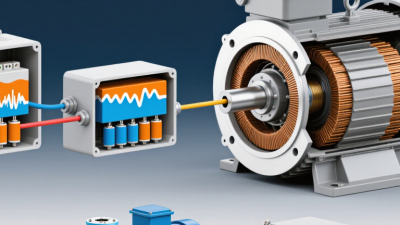
What Is an AC Motor VFD and How Does It Work?