
Why Do You Need an Asphalt Storage Tank?

Why Do You Need an Asphalt Storage Tank?

An Asphalt Storage Tank keeps liquid binder available between delivery and use. Asphalt must stay within a suitable temperature range to remain workable, and that range depends on the binder grade and supplier guidance. A well-selected tank helps maintain consistent heat while limiting unnecessary temperature swings. Small details matter. Insulation condition, burner controls, and temperature sensors can affect daily operation.

For a paving plant, reliable storage can reduce delays when trucks arrive or production demand changes. The tank also gives operators a controlled place to monitor inventory and prepare material for pumping or blending. Capacity should match expected use and delivery schedules, rather than simply being as large as possible. Oversized storage may mean longer holding times and added energy use. That trade-off is easy to miss. Tank layout matters too: access for inspection, clear piping, and safe maintenance space can make routine work less difficult. Heating should follow the equipment maker’s instructions, since overheating can damage binder quality. Temperature and maintenance records help identify problems before they interrupt production. An Asphalt Storage Tank is not just a heated container; it is part of the plant’s quality and scheduling system. Still, no tank fixes poor handling. The right choice depends on the binder, climate, throughput, and operating practices.
Why Do You Need an Asphalt Storage Tank?

What Is an Asphalt Storage Tank?

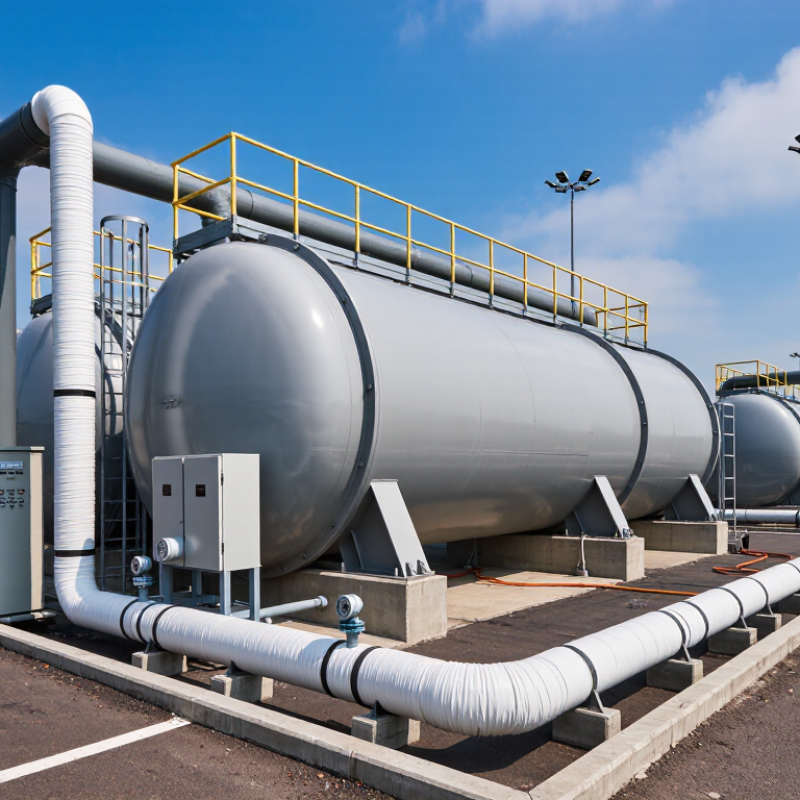
An asphalt storage tank is an insulated vessel that holds liquid asphalt binder before it is pumped into a mixing plant or paving operation. It is not a tank for finished asphalt mix. Its steel shell, insulation, heating system, temperature controls, and piping work together to keep the binder pumpable. Depending on the installation, heat may come from internal coils or an external heater. Pumps and valves then move binder to the next process. That distinction matters.

The scale is substantial. NAPA’s 2023 Asphalt Pavement Industry Survey estimated U.S. asphalt mixture production at about 420 million tons. That figure describes mixture production, not binder storage capacity. Still, it shows why dependable storage and transfer systems matter at busy plants. Tank size should reflect delivery schedules, production demand, binder grade, and the time material will remain heated. Too little capacity can disrupt operations; excessive storage may keep binder hot longer than necessary. That trade-off is easy to underestimate. In practice, operators monitor temperature and inspect insulation, heating equipment, and transfer lines. A tank is not simply a heated container; it is part of a controlled materials-handling system.

How Does an Asphalt Storage Tank Work?

An asphalt storage tank keeps bitumen warm enough to move through pipes and pumps. Its steel shell is usually insulated to slow heat loss. Inside, heating coils or a heated jacket transfer heat indirectly, often using thermal oil or another heating medium. The exact arrangement varies by tank design. Heat matters.

A temperature sensor monitors the asphalt, while a controller adjusts the heating system to maintain the selected range. Operators check the display and compare it with a separate temperature reading when needed.

A level gauge helps prevent overfilling, and a vent allows air to move as the tank fills or empties. When asphalt is needed, a pump draws it through a heated outlet line. Cold spots can still form near valves or poorly insulated sections.

The process sounds simple, but steady heat takes attention. Asphalt that is too cool becomes difficult to pump; excessive heat can degrade the material over time. Operators therefore follow the material supplier’s temperature guidance and avoid unnecessary reheating. Regular checks of insulation, sensors, pumps, and outlet lines help catch problems early. A small temperature difference across the tank may be easy to miss.

Why Must Asphalt Be Heated During Storage?

Asphalt must stay warm during storage because its viscosity rises as it cools. When it becomes too stiff, pumps struggle, pipes may clog, and loading takes longer. A cold morning can make the problem obvious: the pump slows, and material moves unevenly through the line. Warm asphalt flows more predictably. That matters.

Heating is not simply about reaching the highest possible temperature. Excessive heat, especially over long periods, can age the binder and affect its performance. The suitable storage temperature depends on the asphalt mix and handling process, so operators should follow technical guidance and check temperatures regularly. Insulation helps limit heat loss, while well-managed circulation can reduce cold spots. A tank thermometer is useful, but it may not reveal every temperature variation inside a large tank. Even experienced crews can misjudge conditions when the weather changes quickly. That deserves a second check. Stable, controlled heating keeps asphalt workable without treating heat as a substitute for careful storage.

What Are the Main Benefits of Using an Asphalt Storage Tank?

Why Do You Need an Asphalt Storage Tank?

What Are the Main Benefits of Using an Asphalt Storage Tank?

A well-designed asphalt storage tank helps keep binder at a controlled, usable temperature between deliveries and production runs. Insulation and dependable temperature monitoring reduce heat loss and limit unnecessary reheating. That saves time. It also helps crews avoid rushing to use material before it is ready. Tank heating must still follow the binder supplier’s grade-specific temperature guidance; excessive heat or long storage can accelerate aging.

Storage capacity also buffers a plant against delivery delays and uneven demand. The National Asphalt Pavement Association’s 2023 Industry Survey estimated that 94.6 million tons of reclaimed asphalt pavement were used in U.S. asphalt mixtures in 2022. That scale points to busy, material-intensive operations, where a steady binder supply can help keep production moving. A tank also shields stored binder from rain and debris, while organized inventory makes incoming and outgoing loads easier to track.

The tank alone cannot guarantee consistent pavement. Poor calibration, weak insulation, or neglected maintenance can undermine its benefits. That part is easy to overlook. Operators should check temperature readings, inspect heating systems, and avoid holding binder hot longer than necessary.

Why Use an Asphalt Storage Tank?

A heated, insulated tank helps maintain asphalt binder at a consistent, usable temperature, supporting reliable pumping and paving operations while reducing heat loss. The ranges below are typical examples; actual temperatures depend on binder grade and specifications.

Always follow the binder supplier’s recommendations and applicable project specifications.

What Factors Should Guide Asphalt Tank Selection?

Choosing an asphalt storage tank begins with the job it must do. Estimate peak daily use, delivery size, and how long asphalt may sit before use. A tank sized only for average demand can create bottlenecks during busy periods. Extra capacity, however, takes space and can increase heat loss. Fit matters.

Temperature control is central. Check the asphalt’s required operating range, expected storage time, insulation quality, and heating method. Poor insulation can waste energy; uneven heating may leave cooler material near the tank walls. Ask how temperature is measured and controlled, and whether the system can avoid localized overheating. Heat has a cost.

Consider the asphalt grade and the tank’s construction materials, then review corrosion protection, venting, access, and maintenance needs. Site layout matters too: leave room for delivery vehicles, safe inspection, and equipment servicing. A common planning miss is overlooking cleanout access until the tank is already installed. Small details count.

There is no universally perfect tank; the right choice balances capacity, temperature stability, operating cost, and practical site limits. Confirm specifications with qualified engineering support and applicable local requirements before purchase.

Learn More

Connect with us today to learn more about our industrial automation solutions—and how to commission them for your application.