
Connect with us today to learn more about our industrial automation solutions—and how to commission them for your application.
Why Choose Smart Socket for Your Home Automation Needs?
As home automation ramps up in popularity, the adoption of Smart Socket technology is gaining traction. A recent report from ResearchAndMarkets predicts that the smart home market will reach $174 billion by 2025. This surge highlights the increasing consumer interest in integrated solutions for energy efficiency and convenience.
Smart Sockets serve as a gateway to smarter living. They provide homeowners with enhanced control over their electrical devices. By enabling remote access through mobile apps, these sockets can help reduce energy costs. Studies show that homes equipped with smart technology can save up to 30% on energy bills. These statistics underline the importance of technology in fostering sustainable living.
However, the transition to smart technology is not without challenges. Compatibility issues and learning curves can frustrate users. Understanding these hurdles is crucial. As the industry grows, continual improvements in user experience will be necessary. Embracing Smart Sockets may require a shift in mindset, yet their potential benefits are too significant to overlook.
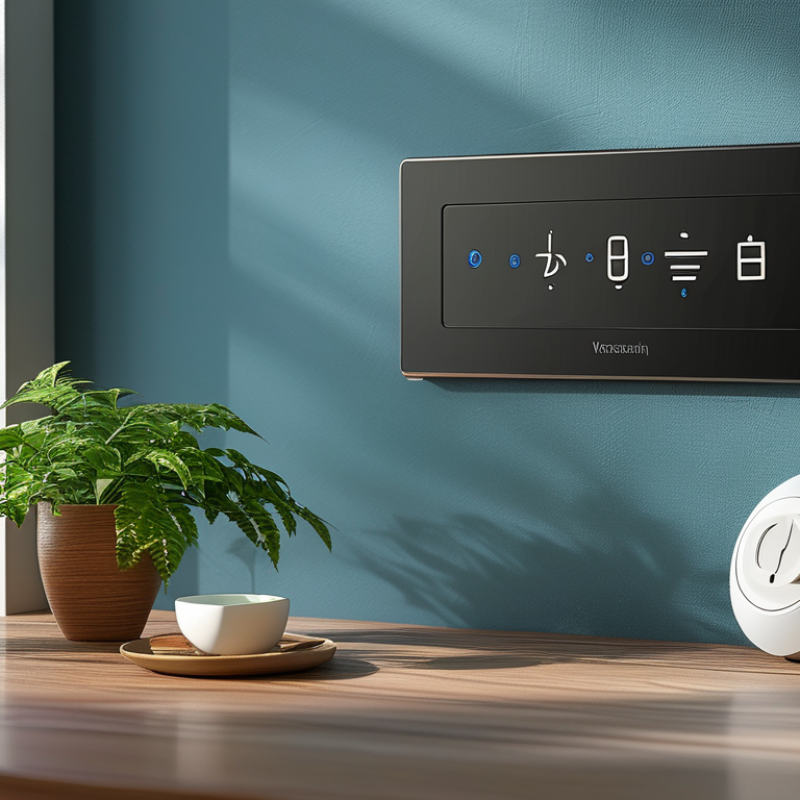
The Concept of Smart Sockets in Home Automation
Smart sockets embody a revolutionary approach to home automation. These devices are not just simple plugs; they integrate advanced technology into everyday life. A recent industry report by Statista highlights that the smart home market is projected to reach over $160 billion by 2025, with smart plugs playing a significant role. This data showcases the growing adoption of smart technology in residential settings.
The core concept of smart sockets revolves around control and convenience. Users can operate appliances remotely via smartphone applications or voice commands. This feature reduces energy consumption and enhances security. However, some users face challenges in installation and compatibility. Reports indicate that about 15% of smart socket owners experience connectivity issues with their home networks. Such difficulties remind us that while technology aims to ease our lives, it can also present hurdles.
Furthermore, the data security aspect of smart sockets raises concerns. According to a research study from the International Journal of Information Security, around 30% of smart home devices lack adequate security features. This statistic serves as a crucial reminder of the importance of choosing reliable devices. The promise of ease and efficiency must be balanced with a commitment to safety and sustainability.
Key Features of Smart Sockets for Enhanced Functionality
Smart sockets are gaining popularity in home automation. They offer a suite of features that enhance functionality. One notable feature is energy monitoring. By tracking energy consumption, homeowners can save on utility bills. Knowing when a device uses the most power is crucial for efficient energy management.
Another key function is remote control. This allows users to turn devices on or off from anywhere. A simple smartphone app can seamlessly integrate with smart sockets. Forgetting to turn off appliances is common. With smart sockets, you can check and control devices on the go.
Tips: Always choose smart sockets that are compatible with your existing home network. Pay attention to reviews for reliable products. Sometimes, pairing multiple devices can lead to performance issues. Experiment with settings to find what works best for your setup. Embracing these features can significantly enhance your home’s intelligence.
Why Choose Smart Socket for Your Home Automation Needs? - Key Features of Smart Sockets for Enhanced Functionality
| Feature | Description | Benefits |
|---|---|---|
| Remote Control | Control your appliances from anywhere using a smartphone app. | Convenience and energy savings. |
| Voice Control | Compatible with smart assistants like Alexa or Google Assistant. | Hands-free operation. |
| Scheduling | Set timers to turn devices on/off automatically. | Improved energy efficiency and convenience. |
| Energy Monitoring | Track energy usage of connected devices. | Identifies energy hogs and helps reduce bills. |
| Overload Protection | Automatically cuts power to prevent overheating. | Enhances safety of your devices. |
Benefits of Integrating Smart Sockets into Your Home
Integrating smart sockets into your home can greatly enhance convenience and efficiency. These devices allow you to control appliances remotely. Imagine adjusting your coffee maker while still in bed. This simple action can change your morning routine significantly. The integration of smart sockets is an important step towards a fully automated home.
Beyond convenience, smart sockets promote energy efficiency. They provide insights into energy consumption, helping you make informed decisions. With real-time data, you can identify energy hogs in your home. It’s a smart way to reduce unnecessary spending and lower your carbon footprint. However, awareness of potential security risks is crucial. Vulnerabilities exist in smart home devices. Regular software updates are essential for keeping your network secure.
The adaptability of smart sockets is another appealing aspect. They can fit into various settings, whether it’s a busy family home or a small apartment. Some users might struggle with initial setup. Learning to navigate the app and connecting devices can take time. Yet, with patience, the benefits far outweigh these challenges. Embracing these technologies requires a slight learning curve, but it is well worth the effort.
Comparative Analysis: Smart Sockets vs. Traditional Outlets
Smart sockets offer several advantages over traditional outlets. They allow remote control of devices, making home automation easier. You can turn appliances on or off from anywhere. This feature greatly enhances convenience, especially for busy households or while traveling. Many smart sockets are compatible with voice assistants, adding another layer of accessibility.
However, it's essential to consider potential drawbacks. Not all devices work seamlessly with smart technology. Some appliances may require extra steps to integrate. Additionally, the reliance on Wi-Fi can lead to connectivity issues. If the network is down, access to your devices becomes limited. This can be frustrating if you depend on automation for daily tasks.
Tips for choosing smart sockets:
- Assess your home's compatibility with Wi-Fi.
- Consider devices you'd like to control.
- Look for models that offer energy monitoring features, helping you track usage and potentially save on electricity bills.
Future Trends in Smart Socket Technology for Home Automation
Smart socket technology is rapidly evolving and becoming integral to home automation. According to a recent report by Research and Markets, the smart home market is expected to grow at a compound annual growth rate (CAGR) of 27% from 2021 to 2026. This indicates a significant demand for smart devices, including smart sockets. These devices allow homeowners to control appliances remotely, creating convenience and enhancing energy efficiency.
The future of smart socket technology is promising. Innovations include improved energy monitoring and integration with AI systems. Users can leverage these sockets to track energy consumption in real time, enabling informed decisions. Additionally, as Internet of Things (IoT) adoption increases, smart sockets will be compatible with more devices, promoting a seamless smart home experience. However, security remains a concern, with data breaches increasingly common in connected devices.
Tip: Always change the default password on your smart socket. This step is crucial to secure your home network.
As technology develops, eco-friendly solutions become vital. Smart sockets can support renewable energy sources, decreasing reliance on non-renewable resources. Yet, users should consider the long-term implications of increased electronic waste. Reflecting on these developments helps ensure that technology improves the quality of life without compromising environmental integrity.
Tip: Regularly check for software updates on your devices to maintain security and functionality.