What Is a Butterfly Valve and How Does It Work?
A butterfly valve may look simple: a circular disc turns inside a pipe, opening or restricting flow. Yet this compact device manages pressure, temperature, sealing, and maintenance demands. Its quarter-turn movement can control large pipelines with relatively little space. That efficiency explains its use in water treatment, HVAC systems, chemical processing, food production, and fire protection.
Dr. R. W. Zappe, author of Valve Selection Handbook, offers a practical warning: “Valve selection is a system decision, not a component decision.” That idea frames this guide. A butterfly valve is not automatically suitable for every service. Disc material, seat design, pressure rating, fluid chemistry, and actuator type can change its performance. A soft-seated model may seal well in clean water. It may struggle with abrasive slurry or excessive heat. Small details matter.
The working principle is easy to picture. Inside the pipe, a thin disc rotates around a central or offset stem. When the disc aligns with the flow, resistance falls. When it turns across the passage, flow slows or stops. The disc does not disappear from the stream. It remains present, creating some pressure loss. That point is often overlooked.
This article explains what a butterfly valve is, how its parts interact, and where different designs perform best. It also considers installation habits, actuator choices, inspection needs, and common selection mistakes. The explanation stays practical, because a valve that works on paper can still fail in a poorly supported pipeline. Real systems are less tidy. That is worth remembering.
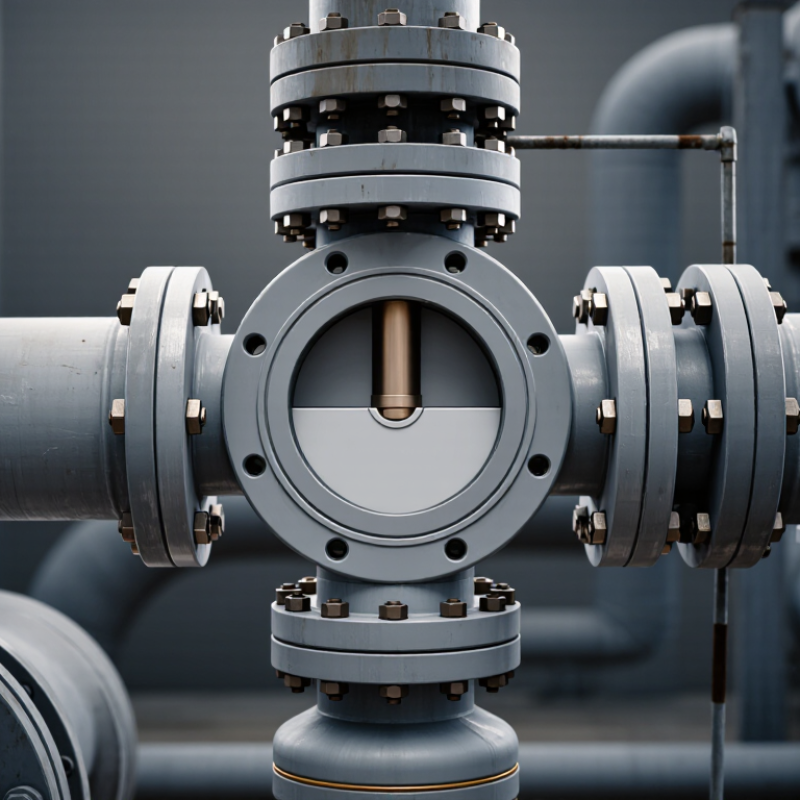
What Is a Butterfly Valve?
A butterfly valve is a compact flow-control device that uses a circular disc inside a pipe. The disc rotates around a central or offset stem. When the disc aligns with the pipe, fluid passes through with limited obstruction. A quarter-turn usually moves the valve from fully open to fully closed.
The movement is simple. Turning the stem rotates the disc against a resilient or metal seat. This contact creates the shutoff seal. Many designs use a lever for smaller pipes, while larger valves use a gearbox or actuator. Body materials, disc coatings, and seat designs vary with pressure, temperature, and fluid compatibility. In practical installations, engineers check these details before selecting a valve. Water systems, ventilation lines, process piping, and fire-protection equipment often use butterfly valves because they require less space than many other valve types.
A butterfly valve can isolate equipment quickly and regulate flow when its design supports throttling. However, partly open operation may create turbulence, vibration, or premature seat wear. It is not a universal answer. During field inspections, technicians look for stem movement, flange alignment, corrosion, and leakage around the seat. Even a small installation error can prevent full closure. Manual handles also need clear access, which is sometimes overlooked. The valve’s compact shape saves room, but maintenance still requires enough space to remove the disc or actuator. Selection should follow the actual service conditions, not appearance alone.
What Are the Main Parts of a Butterfly Valve?
A butterfly valve controls flow with a circular disc mounted inside a pipe. The disc turns around a central shaft, usually through 90 degrees. When the disc faces the flow, the passage is open. When it turns across the passage, the valve closes. It is simple. Yet small details matter.
The valve body holds every internal component and connects to the pipeline. Its shape may be wafer, lug, or flanged, depending on installation requirements. The disc regulates the fluid, while the shaft transfers movement from the actuator. Some designs use a one-piece shaft; others use separate upper and lower sections. Bearings support smooth rotation and reduce friction. The seat forms a seal around the disc edge. It may be resilient, metal, or layered for different temperatures and fluids.
The actuator can be manual, electric, pneumatic, or hydraulic. A hand lever suits smaller valves, while a gearbox helps operate larger discs. Shaft seals prevent leakage around the stem. During routine inspection, technicians should check disc damage, seat wear, bolt tightness, and actuator alignment. A rushed inspection may miss scratches near the sealing edge. That mistake can cause visible leakage later. The design looks easy to understand, but pressure, temperature, and installation position strongly affect performance. Even a correctly selected valve can fail when the pipe is poorly supported or the disc is forced against debris.
How Does a Butterfly Valve Work?
What Is a Butterfly Valve and How Does It Work?
A butterfly valve controls fluid through a circular body and a rotating disc. The disc connects to a shaft, which turns through a quarter-turn. When the disc aligns with the pipe, fluid passes freely. When it rotates across the passage, flow stops. The disc turns.
Many butterfly valves use manual handles, gear operators, or pneumatic actuators. In service, the disc often works between fully open and fully closed positions. Throttling is possible, but poor sizing can create turbulence, vibration, and premature seat wear. A 2024 industrial-valve market report identifies water, wastewater, energy, and chemical processing as major demand sectors. This broad use reflects the valve’s compact design, not unlimited suitability.
Tips: Check the valve’s pressure rating, temperature range, seat material, and shaft alignment before installation. The U.S. Department of Energy’s pumping-system guidance indicates that many industrial systems may achieve 20–50% energy savings through efficiency improvements. A valve alone cannot deliver those savings. Incorrect throttling can increase pump work instead. During inspection, look for leakage around the stem, uneven disc movement, and damaged sealing surfaces. My practical caution is simple: a smaller valve is not always better. Lower purchase cost may create higher operating losses, and real systems rarely behave like clean drawings.
What Is a Butterfly Valve and How Does It Work?
A butterfly valve regulates flow by rotating a circular disc around a quarter-turn stem. At 0°, the disc is perpendicular to the pipeline and blocks flow; at 90°, it is aligned with the pipeline and provides the maximum opening. The chart shows an idealized geometric opening relationship. Actual flow capacity also depends on valve size, disc design, fluid properties, and pressure conditions.
What Types of Butterfly Valves Are Available?
Butterfly valves use a rotating disc to regulate or isolate fluid flow. Their available designs differ mainly by disc position, sealing method, and installation needs. Concentric valves place the stem through the disc center. They are compact, economical, and common in water systems. Eccentric valves shift the stem slightly, reducing seal wear during opening. Triple-offset valves add angled geometry, creating a cam-like motion. This design supports tight shutoff in demanding thermal or industrial service.
Wafer, lug, and flanged bodies describe connection methods. Wafer valves fit between pipe flanges and save space. Lug valves allow more controlled maintenance on one pipe side. Flanged valves provide stronger alignment for larger or heavier systems. Resilient-seated versions suit moderate temperatures and clean water. Metal-seated versions tolerate higher temperatures, abrasive particles, and harsher cycles. API 609 and ISO 5752 provide widely used requirements for butterfly valve dimensions and performance.
Selection should follow actual operating conditions, not habit. UN-Water’s 2024 World Water Development Report states that agriculture uses about 70% of global freshwater withdrawals. That makes reliable flow control important in irrigation networks. The International Energy Agency reports that electric motor systems consume roughly half of global electricity. Low-torque valve operation can therefore reduce actuator demand. Yet the choice is not automatic. A compact wafer valve may fail where pipe movement, slurry, or frequent cycling is present. A neat datasheet cannot reveal every site problem. Temperature, pressure, fluid solids, maintenance access, and future automation deserve equal attention.
Where Are Butterfly Valves Used?
A butterfly valve uses a circular disc that rotates around a central stem. Turning the disc controls, starts, or stops fluid flow. Its compact body and quarter-turn operation make it practical for large pipes.
Where are butterfly valves used? Water treatment plants use them on intake, filtration, and distribution lines. This application matters because agriculture represents about 70% of global freshwater withdrawals, according to the United Nations World Water Development Report 2024. Municipal networks also use butterfly valves for isolation and pressure management. Operators can shut a large section quickly when a pipe leaks.
They are common in heating, ventilation, and air-conditioning systems. Chilled-water lines may carry water through pipes wider than a person’s arm. The valve regulates flow to cooling coils and air-handling units. The 2023 Global Status Report for Buildings and Construction reported that buildings consume about 30% of global energy. Better flow control can support efficient operation, although valve selection alone cannot solve poor system design. Butterfly valves also appear in fire-protection, chemical-processing, food-production, and wastewater facilities. They suit many services, but aggressive fluids require careful seat and disc material choices.
Tips: Check the pipe diameter, pressure, temperature, and fluid chemistry before choosing a valve. Avoid using a standard butterfly valve for precise throttling without verification. A correctly sized valve can still perform badly if the actuator, gasket, or alignment is wrong. Field inspection should include disc movement, flange condition, and visible leakage.
