
Connect with us today to learn more about our industrial automation solutions—and how to commission them for your application.
What Are the Top Types of Shower Glass?
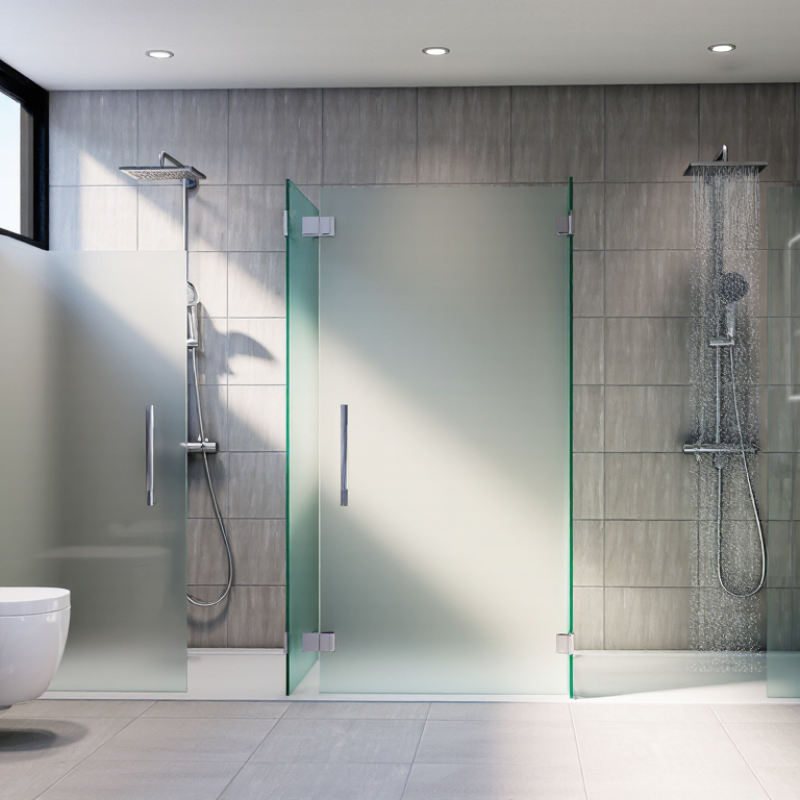
Choosing the right Shower Glass can change how a bathroom feels, functions, and ages. Clear glass can make a compact shower appear wider. Frosted or textured glass offers privacy while softening harsh light. Low-iron glass provides a cleaner, almost invisible appearance. Each option has practical trade-offs.
Dan DiClerico, a home improvement expert and former editor at This Old House, says, “The best shower door is the one that fits your space, budget, and daily habits.” That simple idea deserves attention. A beautiful frameless enclosure may need stronger wall support and more careful installation. A framed door can provide stability and cost less, but its metal edges may collect soap residue. Tempered safety glass is essential, yet thickness alone does not guarantee quality. Hardware, seals, ventilation, and installation matter too.
This guide explores the top types of Shower Glass, including clear, frosted, rain, tinted, low-iron, and patterned options. It compares privacy, maintenance, durability, appearance, and typical bathroom layouts. You will also see where common assumptions fail. For example, “easy to clean” rarely means maintenance-free. Water spots still appear. Poor ventilation still causes trouble. Even premium glass can look neglected without regular care.
The right choice is not always the most expensive one. It should match your room, habits, and long-term expectations. Measure carefully. Ask qualified installers about safety standards and wall structure. Small details often decide whether the finished shower feels refined or frustrating.
What Is Shower Glass and Why Does Its Type Matter?
Shower glass is the panel or door that separates a wet shower area from the bathroom.
It may look simple, but its type affects safety, privacy, cleaning, light, and installation. Tempered glass is widely used because it is heat-treated and designed to break into smaller pieces if severely damaged. It is not unbreakable. That distinction matters. Laminated glass can hold together after cracking, but its structure and installation requirements differ. A qualified glass professional should confirm which option suits the enclosure.
Clear glass keeps the room bright and makes small bathrooms feel larger. However, water spots and soap residue appear quickly, especially with hard water. Frosted or patterned glass offers more privacy, although its textured surface may need careful cleaning.
Rain glass softens visibility while adding visual texture. Low-iron glass provides a clearer appearance, which can make pale tile colors look more accurate. Still, clearer glass often shows every maintenance mistake. Choose honestly.
Thickness also matters. A heavier panel may feel more solid, but the wall, hinges, and support system must handle its weight. Accurate measurements are essential; a small error can create alignment problems or leaks. Ask the installer about edge finishing, door swing, seals, ventilation, and cleaning access. Many homeowners focus on appearance first. That is understandable, but function usually decides whether the enclosure remains pleasant years later.
How Is Shower Glass Classified by Transparency and Surface Finish?
Shower glass is commonly classified by how much light it passes and how clearly it shows objects. Clear glass offers an open, spacious appearance and suits smaller bathrooms. It also reveals water spots quickly. Ultra-clear glass reduces the green tint found in standard glass, especially along thicker edges. However, lighting can change the color difference. Samples matter.
Frosted glass scatters light and softens outlines, making it useful for shared bathrooms. Obscure and patterned glass provide privacy through raised textures, ripples, or geometric surfaces. Their appearance changes with viewing distance. Tinted glass adds a gray, bronze, or blue tone, but darker colors may reduce brightness. Privacy is not absolute.
Surface finish creates another practical classification. Polished glass feels smooth and reflects light clearly. Matte glass has a softer appearance and can hide minor marks better, although soap residue may still collect. Textured glass adds visual depth, but deep patterns require careful cleaning. In bathroom inspections, I look closely at the lower corners, where water and mineral deposits often remain. A protective treatment can slow buildup, but it does not remove the need for regular wiping. This point is easy to overlook. The best choice depends on privacy, daylight, cleaning habits, and the bathroom’s existing tile. Check the glass sample beside the actual wall color before ordering.
Top Types of Shower Glass: Transparency and Surface Finish
Shower glass is commonly classified by how much it reveals and by the treatment or texture applied to its surface. The chart uses a relative five-point scale: higher transparency means a clearer view, while higher privacy indicates more visual obscurity. Clear and low-iron glass provide the most visibility, whereas frosted, rain, and patterned glass offer greater privacy through etching or surface texture.
What Are the Main Types of Shower Glass?
The main types of shower glass differ by transparency, texture, color, and safety treatment. Clear glass offers maximum visibility and makes a small bathroom feel larger. Frosted glass provides privacy through acid-etched or sandblasted surfaces. Textured glass uses patterns, such as rain or reed, to soften outlines while adding visual depth. Low-iron glass reduces the green tint found in standard glass, creating clearer colors around white tile and metal fixtures.
Safety matters more than appearance. Tempered glass is heat-treated and usually breaks into small, blunt pieces instead of sharp shards. Laminated glass contains an inner layer that helps hold fragments together after impact. Local building requirements may specify safety glazing near wet areas, so installers should verify the applicable standard before ordering. The 2024 U.S. Houzz Bathroom Trends Study reported that 78% of renovating homeowners upgraded their showers. That demand explains the popularity of cleaner, frameless designs, but “frameless” does not mean maintenance-free.
Tips: Choose clear glass for openness, frosted glass for privacy, and textured glass for a practical middle ground. Ask for edge finishing, hardware compatibility, and water-stain testing. A professional should measure wall movement, opening width, and threshold slope. One overlooked detail is ventilation. Even excellent glass can show mineral marks when moisture remains trapped. Grand View Research’s shower enclosure market assessment also forecasts continued global growth, yet market forecasts cannot replace a careful site inspection. That is where many attractive selections fail.
How Do Safety, Privacy, and Maintenance Vary by Glass Type?
What Are the Top Types of Shower Glass?
Tempered glass remains the common choice for shower enclosures. The National Glass Association reports that it is approximately four to five times stronger than ordinary annealed glass. When broken, it usually crumbles into small, blunt fragments. The U.S. Consumer Product Safety Commission’s safety-glazing requirements also emphasize impact resistance in wet-area installations. Tempered glass is safer, but not unbreakable. A damaged edge can fail suddenly. Laminated glass adds another layer of protection because its inner film can hold fragments together after cracking. However, it is heavier and may require stronger framing.
Privacy depends more on surface treatment than safety rating. Frosted glass softens silhouettes, while heavily textured glass can hide movement more effectively near a bright bathroom window. Clear, low-iron glass gives the cleanest view but reveals water marks quickly. The U.S. Geological Survey classifies water above 120 milligrams per liter of calcium carbonate as hard. In those homes, mineral spots may appear within days. Textured surfaces can look attractive, yet their grooves collect soap residue and need careful brushing. I would not choose privacy glass without checking it under bathroom lighting. A sample may look private in a showroom, then appear surprisingly transparent at night.
How Should You Choose the Right Shower Glass for Your Bathroom?
Choosing shower glass starts with your bathroom’s conditions, not a catalog photo. Clear tempered glass suits small bathrooms because it keeps sightlines open. Frosted or obscure glass offers privacy and softens harsh light. Patterned glass can hide water marks, although deep textures may require careful cleaning. Low-iron glass gives a cleaner, brighter color, especially beside white tile. Laminated glass can provide added protection, but it usually costs more and needs suitable hardware.
Safety should guide every decision. The U.S. Consumer Product Safety Commission requires architectural glazing, including shower doors, to meet impact standards under 16 CFR Part 1201. ANSI Z97.1 is another important safety reference. Ask the installer for compliant safety-glazing documentation. Do not rely on thickness alone. Thicker glass is not automatically safer.
Measure the opening, wall alignment, ventilation, and daily cleaning habits. The U.S. Department of Energy reports that water heating accounts for about 18% of household energy use. Glass will not reduce that demand, but good ventilation can help limit condensation and mildew. EPA WaterSense research also identifies 2.0 gallons per minute as the maximum flow for certified showerheads, compared with the older 2.5-gallon standard. Every detail affects comfort.
Clear glass often looks luxurious. It also reveals every dried droplet. That trade-off is easy to underestimate. For busy households, lightly textured glass may be the more sensible choice. For a dark, compact bathroom, clear or low-iron glass usually performs better. A qualified glazier should confirm measurements, edge clearances, seals, and hardware compatibility before fabrication.
What Are the Top Types of Shower Glass? - How Should You Choose the Right Shower Glass for Your Bathroom?
| Glass Type | Appearance and Light Transmission | Privacy Level | Cleaning and Maintenance | Best Bathroom Applications | Advantages | Considerations | Typical Rating |
|---|---|---|---|---|---|---|---|
| Clear Tempered Glass | Transparent, bright, and visually open; allows nearly unrestricted light through the enclosure. | Low | Shows water spots, soap residue, and mineral deposits more easily. Regular squeegeeing and routine cleaning are recommended. | Small bathrooms, modern layouts, and spaces where visual openness is important. | Maximizes light, makes a bathroom appear larger, and works well with almost any tile design. | Provides very little visual privacy and can make deposits more noticeable. | ★★★★★ for brightness |
| Low-Iron Tempered Glass | Very clear glass with less green color than standard clear glass, especially at thicker edges. | Low | Maintenance is similar to clear glass because the smooth surface still displays water spots. | Bathrooms with white tile, pale stone, strong natural light, or designs where accurate colors matter. | Provides a clean, premium-looking appearance and preserves the true color of surrounding materials. | Usually costs more than standard clear glass and does not improve privacy. | ★★★★★ for color clarity |
| Frosted Glass | Translucent surface that diffuses light while obscuring clear views. | High | Frosted surfaces can hold residue in their texture; gentle, non-abrasive cleaning is preferable. | Shared bathrooms, guest bathrooms, and shower areas where privacy is a priority. | Offers strong privacy while retaining useful daylight. | Reduces visual openness and may require more careful cleaning than smooth clear glass. | ★★★★★ for privacy |
| Rain or Patterned Glass | Features a raised or molded pattern that distorts outlines and creates a decorative visual effect. | Medium to high, depending on the pattern | Textured areas may collect mineral deposits and require careful wiping with a soft cloth. | Traditional, transitional, or decorative bathrooms that need added privacy. | Adds visual interest and hides direct views better than plain clear glass. | Patterns may make the enclosure look busier and can be more difficult to clean thoroughly. | ★★★★☆ for style |
| Obscure or Etched Glass | Uses a matte or decorative finish to soften reflections and conceal detailed views. | Medium to high | Care depends on the finish; abrasive products can damage or dull the treated surface. | Contemporary bathrooms requiring a balance between design and privacy. | Provides a distinctive appearance and reduces direct visibility. | Some finishes can show fingerprints, streaks, or uneven cleaning more readily. | ★★★★☆ for privacy and design |
| Tinted Glass | Colored glass, commonly in gray, bronze, or similar neutral tones, that filters some light. | Medium, depending on tint depth | Generally similar to clear glass, although streaks may be more visible against darker tones. | Bathrooms with coordinated dark fixtures, warm finishes, or a dramatic interior style. | Adds color and visual depth while providing more privacy than fully clear glass. | Can make a small or poorly lit bathroom appear darker and may affect the appearance of tile colors. | ★★★★☆ for visual impact |
| Textured Glass | Has a three-dimensional surface that scatters light and breaks up direct views. | Medium to high | Texture can make soap and mineral buildup harder to remove; regular rinsing is helpful. | Bathrooms needing decorative privacy and a less conventional enclosure design. | Combines light diffusion, privacy, and a strong decorative character. | Requires more attention during cleaning and may not suit minimalist interiors. | ★★★★☆ for privacy and texture |
| Laminated Safety Glass | Made from glass layers joined by an interlayer; available in clear, tinted, or decorative options. | Depends on the selected surface or interlayer | Clean the exposed surface according to the finish; avoid harsh tools that can scratch the glass. | Projects where additional post-breakage containment is specifically desired and permitted by local requirements. | The interlayer is designed to help hold broken pieces together after glass damage. | It is heavier and may require compatible hardware and professional design; local building requirements should be checked. | ★★★★☆ for containment |
| Standard Tempered Safety Glass | Available in clear, low-iron, frosted, tinted, and patterned finishes. | Depends on the selected finish | Use a non-abrasive cleaner and inspect edges and hardware periodically. | Most framed, semi-frameless, and frameless shower enclosures where safety glazing is required. | Heat-treated safety glass is stronger than ordinary annealed glass and is designed to break into smaller pieces if shattered. | It cannot be cut or drilled after tempering, so measurements and hardware locations must be confirmed before fabrication. | ★★★★★ for common use |
Selection guide: Choose clear or low-iron glass for maximum brightness, frosted or patterned glass for stronger privacy, and tinted or textured glass for a more decorative appearance. Confirm the required safety-glazing standard, glass thickness, hardware compatibility, and installation requirements with a qualified professional and local building authority.