Top Transformer Parts Suppliers in China for Global Buyers?
The demand for Transformer Parts continues to rise as industries seek more efficient energy solutions. According to a recent report by MarketsandMarkets, the transformer market is projected to reach $39.3 billion by 2025, emphasizing the critical role of quality components. Global buyers require reliable suppliers who understand the nuances of transformer engineering and technology.
In China, several suppliers stand out for their expertise in manufacturing transformer parts. Companies like Sino-American and JIANGSU TIANWEI are known for their innovation and adherence to international standards. Their products range from bushings to core assemblies, each meeting stringent quality criteria. However, the challenge remains in ensuring consistent supply chains amid increasing global competition.
While many suppliers offer similar products, quality must not be compromised. Buyers should prioritize partnerships with manufacturers that maintain proper certifications and track records. Engaging with suppliers who demonstrate a commitment to quality and reliability can significantly enhance operational efficiency. The landscape is evolving, and businesses must remain adaptable to navigate this competitive terrain effectively.
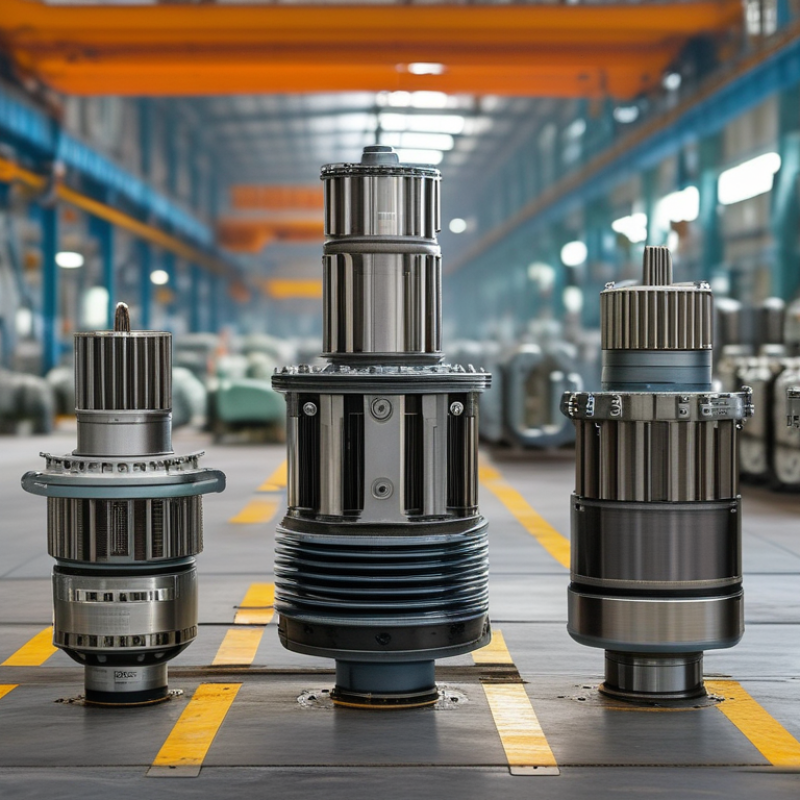
Overview of Transformer Parts and Their Importance in Industry
Transformer parts play a crucial role in various industries, especially in energy and manufacturing. These components, such as bushings, core laminations, and cooling systems, ensure the efficient operation of transformers. According to a market research report by MarketsandMarkets, the global transformer parts market is projected to grow from $5 billion in 2023 to over $8 billion by 2028. This growth signifies the increasing reliance on reliable power distribution.
The quality of transformer parts directly affects the longevity and performance of the entire system. A well-constructed bushing, for example, can enhance the insulation and cooling efficiency, contributing to lower maintenance costs. However, the challenge remains in sourcing these components. Many suppliers face issues in quality control and consistency in production. Industry reports indicate that up to 15% of transformer failures are attributed to subpar parts. This highlights the importance of choosing reputable suppliers who prioritize quality and reliability.
Moreover, as industries pivot towards renewable energy, the demand for specialized transformer parts is rising. Companies need adaptable solutions to meet changing energy environments. Some suppliers have yet to innovate or upgrade their manufacturing processes. Without continual improvement, they risk falling behind in a competitive market. The ongoing need for adaptable and high-quality components will ultimately shape the future of transformer technology.
Transformer Parts Suppliers Overview
This chart illustrates the demand for various transformer parts among suppliers in China. Key components include copper wire, insulation material, core steel, transformer oil, and bushings, highlighting their importance in the manufacturing process of transformers.
Key Criteria for Selecting Transformer Parts Suppliers in China
When selecting transformer parts suppliers in China, several key criteria emerge as crucial for global buyers. Identifying suppliers with a strong track record is essential. Data suggests that over 70% of successful collaborations stem from suppliers with at least five years of experience. This encompasses not only production capabilities but also quality assurance processes.
Quality control is another vital aspect. Reports state that around 30% of transformer failures are linked to subpar components. Buyers should look for suppliers adhering to international quality standards, like ISO certifications. Regular quality audits and testing can further ensure reliability.
Another important consideration is the suppliers’ ability to communicate effectively. Clear communication can minimize misunderstandings and delays. A recent survey highlighted that companies with predefined channels for communication experienced 50% fewer project overruns.
Lastly, buyers should evaluate the level of customer support offered. Efficient service can greatly influence the efficacy of the procurement process. Hence, establishing a rapport with potential suppliers can enhance overall satisfaction and results.
Top Suppliers of Transformer Parts in China: A Comparative Analysis
When sourcing transformer parts in China, buyers face many options. A comparative analysis reveals various suppliers, each with unique strengths. Some excel in technology, while others focus on cost-effectiveness. Understanding these differences is vital for informed decisions.
One key aspect is supplier experience. Some have decades of industry presence. They offer reliability and established quality control measures. However, newer players can provide innovative solutions and competitive pricing. This balance between tradition and innovation deserves careful thought. What are your priorities?
Product range also varies significantly. Some suppliers provide comprehensive options, from windings to enclosures. Others may specialize in specific components. This specialization can drive quality but may limit choices. It's essential to weigh the pros and cons of each supplier carefully. Keep quality assurance in mind, as it can impact maintenance costs later on.
Global Buyer Considerations When Sourcing from Chinese Suppliers
When sourcing transformer parts from Chinese suppliers, global buyers should focus on critical factors. Understanding the market landscape is vital. Many suppliers may not have the necessary certifications or quality assurance processes in place. Thoroughly vetting suppliers can save time and resources in the long run.
Tips: Always check for quality certifications. This provides assurance about the product's reliability. Don’t hesitate to ask for samples before making bulk purchases. It helps to gauge the quality firsthand.
Buyers should also consider communication barriers. Language differences can lead to misunderstandings. Ensuring clear communication can prevent costly mistakes. Look for suppliers with bilingual staff or those experienced in working with international clients.
Tips: Use simple language in negotiations. Avoid jargon that might confuse. This can foster better relationships and understanding.
Additionally, geographical distance poses its own challenges. Shipping times and costs need to be evaluated thoroughly. Delays in the supply chain can impact your production schedule. It’s critical to have contingency plans in place for potential disruptions.
Top Transformer Parts Suppliers in China for Global Buyers
| Supplier Type | Location | Product Range | Certification | Average Lead Time | MOQ (Minimum Order Quantity) |
| Manufacturer | Shenzhen | Distribution Transformers | ISO 9001 | 6-8 Weeks | 100 Units |
| Distributor | Guangzhou | Core Components | CE, RoHS | 4-6 Weeks | 50 Units |
| Manufacturer | Shanghai | Transformer Oil | API | 3-5 Weeks | 200 Liters |
| Supplier | Hangzhou | Electrical Bushings | UL | 5-7 Weeks | 30 Units |
| Manufacturer | Ningbo | Complete Transformer Units | ISO 14001 | 8-10 Weeks | 1 Unit |
Future Trends in the Transformer Parts Supply Market in China
The transformer parts supply market in China is evolving rapidly. As manufacturers enhance their production processes, the quality of components is improving. Advanced technologies, such as automation and AI, are being integrated into production lines. This shift is not just about efficiency; it also boosts product reliability. Buyers around the globe are beginning to recognize these changes.
Sustainability is another rising trend. Many suppliers are focusing on eco-friendly materials and production methods. This is partly in response to growing international regulations. Companies in China are aware of environmental responsibilities. However, the transition is not without challenges. Some suppliers still rely on traditional practices. Maintaining a balance between innovation and existing methods can be complex.
The demand for customized solutions is increasing as well. Businesses require parts tailored to specific needs. This trend places pressure on suppliers to be flexible. Some have begun to invest in R&D to meet this demand. Yet, it raises questions about scalability. How can manufacturers maintain quality while expanding their offerings? This is a crucial area for reflection as the market continues to develop.