
Top 5 SFP Optical Transceivers Buyers Should Consider?

In the fast-evolving world of data communication, SFP Optical Transceivers have emerged as essential components. According to a report by Research and Markets, the global optical transceiver market is expected to reach $8.3 billion by 2025, driven by increasing bandwidth demands. This growth highlights the importance of choosing the right SFP Optical Transceivers for network efficiency.

SFP Optical Transceivers offer flexibility and scalability. They support various data rates, making them suitable for different applications. However, with numerous options available, buyers can easily feel overwhelmed. Understanding the specifications and types is crucial. Poor choices can lead to network bottlenecks or compatibility issues, emphasizing the need for informed purchasing decisions.

Selecting the right SFP Optical Transceivers requires careful consideration of factors like power consumption, transmission distance, and compatibility with existing infrastructure. Making an informed choice can enhance operational efficiency and reduce overhead costs. This buyer’s guide aims to highlight five key SFP Optical Transceivers that should be on every buyer’s radar.
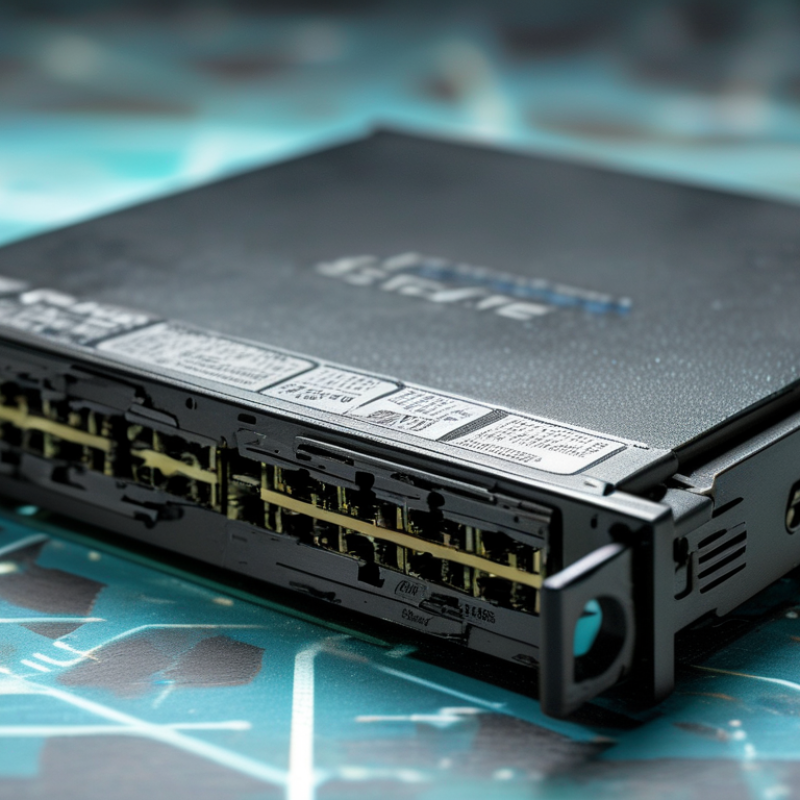
Top 5 SFP Optical Transceivers Buyers Should Consider?

Understanding SFP Optical Transceivers: Technical Overview and Types

SFP optical transceivers are essential in modern networking, enabling data transfer over fiber optic cables. They convert electrical signals into optical signals and vice versa, ensuring high-speed connectivity. These devices support various communication standards, making them versatile for different applications in data centers and enterprise networks.

Understanding SFP types is crucial. The major categories include SFP, SFP+, and SFP28, each with varying capabilities. For instance, SFP transceivers typically support speeds up to 1 Gbps, while SFP+ can go up to 10 Gbps, as reported by industry data. SFP28 pushes this up to 25 Gbps, which is becoming increasingly relevant as data traffic grows.

Tip: Evaluate your network's current and future bandwidth needs. This assessment helps in selecting the right SFP type for optimal performance.

Compatibility is another critical factor. Ensure that the chosen transceiver works with your existing equipment. This will save you from unnecessary downtime. Always consider the distance and wavelength specifications for your specific application.

Tip: Conduct regular updates on firmware to maintain optimal connectivity. Staying informed on the latest advancements will keep your network robust.

Key Features to Evaluate in SFP Optical Transceivers for Your Network

When choosing SFP optical transceivers, several key features are essential for evaluating their suitability for your network. Key specs include data rate, reach, and transmission distance. According to a recent industry report, over 80% of networks prioritize data rates between 1 Gbps and 10 Gbps. Understanding the right match for your network can significantly impact performance.

Another critical feature is compatibility. Many enterprises face challenges when devices do not work seamlessly together. A mismatch can lead to downtime or reduced network efficiency. The market report shows that 60% of downtime incidents are linked to compatibility issues. Always verify the specifications before integrating transceivers into your system.

Power consumption is also vital for operational cost management. Reports suggest that energy costs can account for up to 30% of a network's total expenditure. Selecting energy-efficient models can mitigate this. However, be cautious; sometimes, low-power transceivers may compromise performance, leading to possible inefficiencies. Balancing these aspects requires careful consideration and ongoing evaluation as network demands evolve.

Top Brands and Models for SFP Optical Transceivers in 2023

When considering SFP optical transceivers, 2023 presents a variety of options. Professionals need to focus on reliability and performance. Industry data shows the demand for these devices has surged by 25% in the last year alone. This growth highlights the critical role of optical transceivers in modern networking.

Several top brands stand out due to their proven track records. They offer robust solutions for data centers and enterprises. These brands generally emphasize efficiency and cost-effectiveness. Notably, their products often achieve data rates of 1G to 100G, catering to diverse applications. Keep in mind the types of connectors and protocols that suit your needs.

Tips: Always check compatibility with your existing infrastructure. An ill-fitting transceiver can lead to network inefficiencies. Consider the optical reach based on your requirements. Sometimes, what seems cost-efficient may not deliver the desired performance. Regularly review your technology against the latest in the market to stay competitive.

Cost Considerations: Budgeting for SFP Optical Transceivers

When budgeting for SFP optical transceivers, understanding the cost landscape is essential. Recent industry reports indicate that prices can vary widely, with basic SFP modules starting at around $10 each, while more advanced versions can reach up to $300. This price discrepancy underscores the need for buyers to evaluate their specific network requirements carefully.

Factors influencing costs include transmission speed, distance capability, and compatibility with existing infrastructure. Basic models may suffice for short-range applications, but enterprises focusing on faster data rates or longer distances may need to invest more significantly. According to a 2022 market analysis, companies have seen a 30% increase in overall transceiver spending, showing the growing demand for high-performance modules.

Moreover, long-term operational costs should be considered. Cheaper modules might save money upfront, but they may lack reliability. A study highlighted that 20% of budget-conscious buyers experienced higher maintenance costs related to subpar performance. Thus, while budgeting, it’s crucial to balance upfront costs with the expected operational lifetime and performance efficiency of SFP optical transceivers.

Top 5 SFP Optical Transceivers Cost Considerations

This chart illustrates the average cost of the top 5 SFP optical transceivers in the market. Understanding the cost variations can help buyers make informed decisions when budgeting for their optical network solutions.

Compatibility and Standards: Ensuring SFP Transceiver Fit for Networks

When selecting SFP optical transceivers, compatibility and standards play a critical role. Networks must support various protocols and modalities. According to a recent industry report by LightCounting, nearly 85% of transceiver failures are due to incompatibility issues. Ensuring alignment with network standards is essential for seamless integration. Various types of SFP transceivers exist, from 1G to 100G, each with unique specifications.

Understanding these specifications is vital for effective deployment. For instance, compatibility ensures that transceivers work within specific hardware environments. Reportedly, 70% of organizations experienced reduced downtime after upgrading to compatible transceivers. Additionally, adherence to standards like SFF-8431 and SFF-8472 guarantees reliable performance.

Relying solely on low-cost options can be misleading. A lower price may indicate outdated technology or lack of support. Some users overlook these factors and face disruptions later. Engaging with reputable resources can provide insights into networking needs and compatibility challenges. Ultimately, thoughtful consideration of these factors can enhance network reliability and efficiency.

Article Source:

Learn More

Connect with us today to learn more about our industrial automation solutions—and how to commission them for your application.