Top 10 Sewer Line Cleaning Machines for Sale
A slow drain, a recurring backup, or a camera view blocked by grease can point to a sewer line that needs proper cleaning. The right equipment helps clear buildup while giving operators better control over the work. This guide to the Top 10 Sewer Line Cleaning Machines for Sale compares options for different pipe sizes, job conditions, and levels of use. Small details matter.
A practical Sewer Line Cleaning Machine should match the line, not just the budget. Consider cleaning method, cable or hose length, cutter choices, machine portability, and access to routine maintenance. A compact drum machine may suit indoor branch lines, while a trailer-mounted water jetter can handle longer outdoor runs. Check the manufacturer’s specifications and confirm that accessories fit the intended machine before purchasing. Product listings do not always show how easily a unit moves through a tight doorway or uneven work area.
This selection focuses on useful features, common applications, and buying considerations rather than promising one machine will solve every blockage. Pipe material, bends, debris, and operator experience can all change results. A machine that looks ideal on paper may feel different on site; that part is easy to overlook. Compare service support and replacement-part availability, too. With those points in view, readers can narrow the field and choose equipment that fits their actual jobs.
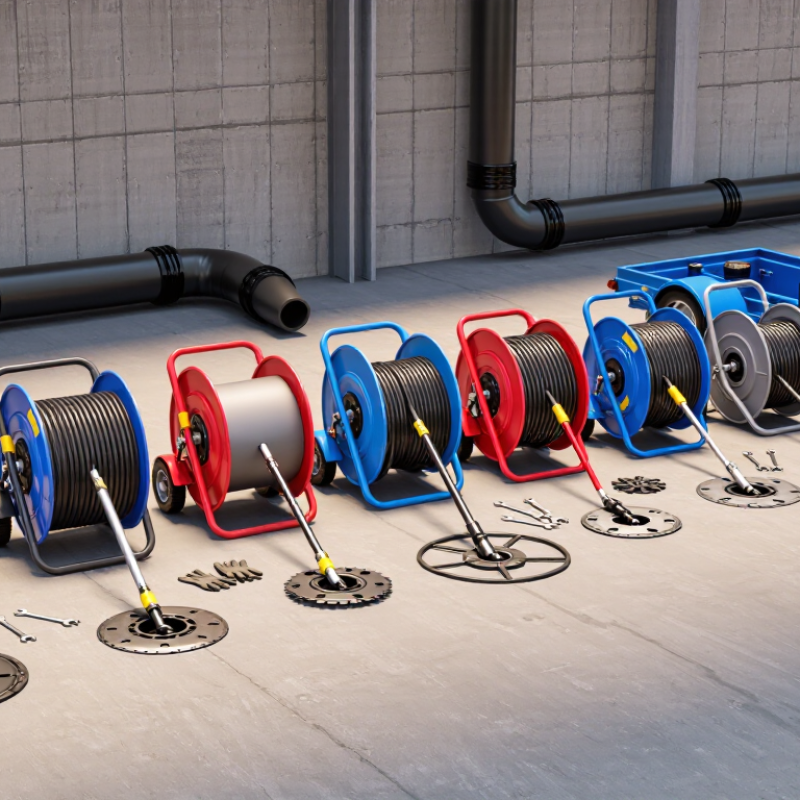
Understanding Sewer Line Cleaning Machines and Their Main Applications
Sewer line cleaning machines clear obstructions and restore flow in residential, commercial, and municipal pipes. The main types include cable machines, water jetting units, and specialized cutting tools. Each works differently, so the blockage and pipe condition matter. Cable machines use a rotating flexible cable to break up grease, soft debris, and some root intrusions. They are often practical for indoor drains and shorter runs. Water jetting machines send pressurized water through a hose and nozzle, washing residue from pipe walls. They can clean longer sections, but damaged or fragile pipes may need inspection before use.
Root-cutting attachments help remove growth that has entered through joints, while grease and sediment usually call for a different approach. There is no single machine for every job. A small access opening, tight bend, or uncertain pipe material can change what is suitable. Experienced operators often inspect the line with a camera before and after cleaning, checking for cracks or remaining debris. That step can catch problems a cleared blockage might hide. It is easy to overestimate what a machine can fix. Follow the equipment manual, use appropriate protective gear, and avoid forcing tools through resistance; pipe damage can turn a routine cleaning into a larger repair.
Key Features to Compare When Choosing a Sewer Cleaning Machine
When comparing sewer line cleaning machines for sale, match the cleaning method to pipe size, blockage type, and job access. Cable machines can tackle roots and compacted debris; high-pressure jetters flush grease and sediment. Check usable cable or hose length, nozzle options, and the machine’s rated flow and pressure. Bigger numbers are not automatically better. Verify that the equipment suits the pipe material and diameter.
Portability matters on real jobs. A narrow basement stair or crowded service van can make a powerful unit impractical. Compare wheel design, weight, setup time, and controls you can operate while wearing gloves. Ask about water supply needs, routine maintenance, and replacement parts. The U.S. EPA’s 2022 Clean Watersheds Needs Survey estimated $630.1 billion in wastewater infrastructure needs over 20 years. That broad estimate is not a cleaning-machine forecast, but it highlights the scale of assets requiring care. A perfect spec sheet can still mislead; test the machine against a representative line when possible.
Tips: Inspect the access point before choosing a cable or hose length. Check safety controls, guards, and included accessories. Record setup time during a practical demo. Small details count.
Types of Sewer Line Cleaning Machines and How They Work
Sewer line cleaning machines differ by how they move debris. Cable machines use a rotating steel cable to cut through roots, grease, and soft blockages. A cutter head spins at the pipe opening, while the operator feeds cable through the line. Sectional machines use shorter cable lengths, which can be easier to handle in tight indoor spaces. Drum machines store a longer cable inside a rotating container. Both require steady control; forcing a cable can damage older or fragile pipes.
High-pressure water jetters clear lines with a focused stream. Water travels through a hose and nozzle, loosening grease and carrying sediment toward an access point. Some nozzles pull themselves forward, but performance depends on pipe size, bends, water supply, and blockage type. Jetting may not solve structural damage. A camera inspection can help identify cracked joints or collapsed sections before cleaning. The machine that looks strongest is not always the best fit.
Tips: Match the tool to the pipe diameter and access conditions. Check cable, hose, and nozzle condition before use. Wear eye protection, gloves, and suitable work clothing. Keep a careful grip. I have found that rushing often creates more trouble; still, even careful work cannot reveal every hidden defect without inspection.
Top 10 Sewer Line Cleaning Machine Types
Typical pipe diameter ranges served, in inches
Cable machines use rotating cables and cutting heads to clear blockages; jetters use high-pressure water to flush debris and clean pipe walls. Larger jetters and combination sewer cleaners are designed for larger lines. Ranges are typical applications, not fixed equipment limits; capacity varies by machine, tooling, and pipe condition.
Top 10 Sewer Line Cleaning Machines for Sale: Features and Uses
Top 10 Sewer Line Cleaning Machines for Sale
Top 10 Sewer Line Cleaning Machines for Sale: Features and Uses
Sewer cleaning machines vary in reach, power, and the blockages they handle. Drum, sectional, and mini-drum cable machines suit indoor drains and many routine clogs. Flex-shaft units clean pipe walls with a smaller rotating cable. Portable jetters work well for lighter jobs, while trailer-mounted jetters supply more water and pressure for longer runs. Combination units pair jetting with vacuum recovery. Root-cutting heads and chain-knocker machines can address tougher buildup, but require careful setup. High-pressure jetters with specialized nozzles round out the options.
Tips: Match cable size or nozzle flow to the pipe diameter and material. Check access points, hose length, and water supply before buying. Read the operating manual, and use appropriate protective gear. A machine that is too powerful may damage fragile or deteriorated piping.
Compare practical details, not just motor ratings. Look for clear controls, accessible service parts, stable transport, and safety features such as a working foot switch. Ask what accessories come included; a cutter or hose shown in a listing may be optional. For recurring work, confirm that the machine can handle the pipe sizes and typical distances on your jobs. Specifications do not tell the whole story. A powerful unit can still feel awkward in a tight service area, so evaluate handling and setup before committing.
Costs, Safety Requirements, and Maintenance Considerations
When comparing sewer line cleaning machines for sale, look beyond the sticker price. Costs depend on cable length, drum capacity, motor power, and the pipe sizes you service. A compact unit may suit short indoor runs, while longer cables and heavier equipment can raise purchase and transport costs. Budget for cutters, replacement cables, gloves, and routine servicing too. A low initial price can become expensive if parts are difficult to source.
Safety needs to shape the buying decision. Choose equipment with guards and controls that are easy to reach, and follow its operating manual. Wear eye protection, suitable gloves, and sturdy footwear. Keep hands and loose clothing clear of rotating cables. Sewer work may involve gases, contaminated water, or unstable surfaces; do not enter a confined space without proper training and procedures. It is tempting to rush a blockage. That is a poor trade-off.
Tips: Before each job, inspect the cable for kinks, cracks, or frayed sections. After use, clean and dry it, then check the drum and cutting head. Record repairs and service dates. A simple log helps reveal recurring wear, though it cannot replace a careful inspection. Match the cutter to the pipe and blockage, rather than forcing a tool that feels undersized.
