
Top 5 Artificial Lift Technologies You Should Know About?

Artificial Lift Technologies play a crucial role in enhancing oil and gas production. According to a recent market analysis by Valuates Reports, the global artificial lift market is projected to grow significantly, reaching approximately $24 billion by 2025. This highlights the importance of understanding these technologies for industry professionals.

Artificial lift methods aim to increase the flow of liquids from wells. They address challenges in reservoirs with low pressure and high viscosity. With around 70% of the world's oil wells utilizing some form of artificial lift, knowledge of these technologies is indispensable for optimizing production.

However, choosing the right technology can be overwhelming. Industry reports indicate that many operators face challenges in selecting suitable Artificial Lift Systems. Performance monitoring also presents issues. Continuous evaluation and adaptation are necessary to ensure efficiency. The right approach depends on reservoir conditions and economic factors, underscoring the complexity of decision-making in this field.
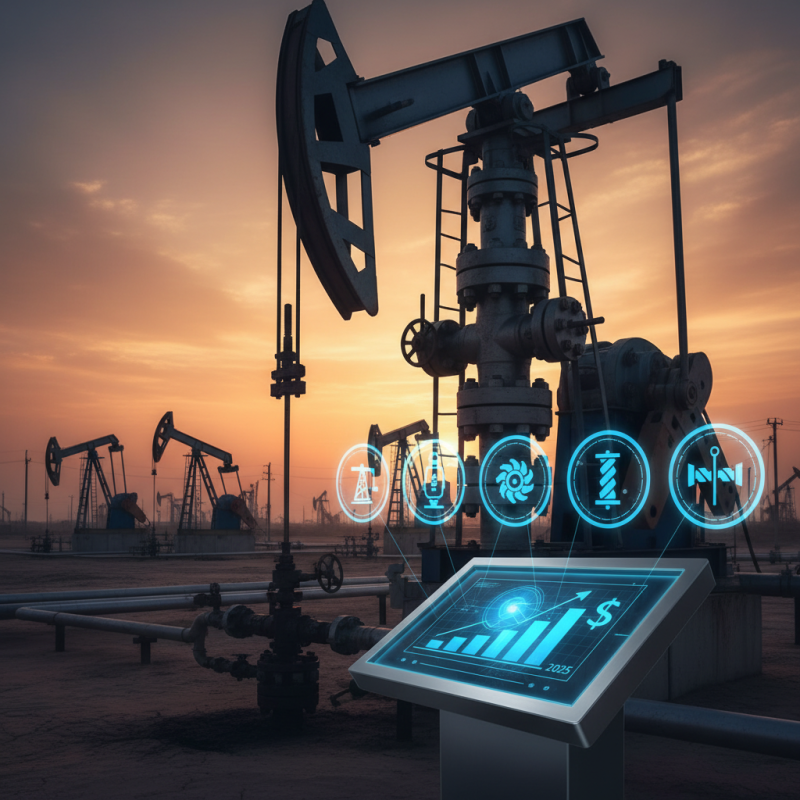
Top 5 Artificial Lift Technologies You Should Know About?

Top 5 Artificial Lift Technologies You Should Know About

Artificial lift technologies are vital for enhancing oil production in various fields. These methods help overcome natural pressures that diminish over time. According to the latest industry report from the International Energy Agency, up to 80% of wells might require some form of artificial lift at some stage. This highlights the importance of understanding the top technologies.

The first notable technology is the Electric Submersible Pump (ESP). It is widely used due to its efficiency at significant depths. However, it can be costly to install and maintain. Another essential lift method is the Progressive Cavity Pump (PCP). This system handles viscous fluids well and has a lower operating cost. Yet, it may encounter limitations in high-pressure environments.

Rod lift systems are common for shallow wells. They are simple and cost-effective. However, their effectiveness diminishes in deeper wells. Gas lift systems use gas to reduce fluid density. While this can be effective in some conditions, it relies heavily on consistent gas supply. Each technology has its strengths and weaknesses.

Choosing the right one requires careful consideration of specific well conditions and financial factors. The right choice isn’t always clear.

Understanding the Importance of Artificial Lift in Oil Production

Artificial lift is crucial in oil production. It enhances the flow of hydrocarbons from the reservoir to the surface. Many wells need artificial lift because natural pressure often decreases over time. Without this technology, production rates would plummet.

Pumps and gas lift systems are common types. These systems help to maintain pressure and prevent fluid from stagnating. Even the best technology has limitations. Some conditions may not be ideal for specific systems. For instance, highly viscous oils can challenge traditional pumps.

Tips for optimizing artificial lift include regular maintenance. Check the equipment for wear and tear. Also, understand reservoir conditions deeply. This knowledge aids in selecting the appropriate lifting method. Lastly, monitor performance metrics continuously. Address unexpected drops in production swiftly. Pay attention to these details to enhance overall efficiency in oil extraction.

Top 5 Artificial Lift Technologies in Oil Production

This chart illustrates the relative efficiency of the top 5 artificial lift technologies used in oil production. Each technology plays a crucial role in enhancing extraction rates and optimizing production. The data presented reflects estimated efficiencies based on industry studies.

Overview of Conventional Rod Pumps and Their Efficiency Metrics

Rod pumps are a staple in artificial lift technologies. These pumps are designed to lift fluids from wells efficiently. Conventional rod pumps operate using a motor, which drives a series of rods connected to a pump at the well's bottom. This system can provide a reliable way to extract oil. According to a report by the International Association of Drilling Contractors, these pumps can reach efficiencies of up to 90% in optimal conditions.

It's essential to monitor the efficiency metrics of these systems. Factors like fluid density and viscosity affect performance. A slight change in these parameters can lead to inefficiencies. Operators should consider regular maintenance to avoid costly downtimes. Moreover, industry studies show that inadequate maintenance can reduce pump life by up to 30%.

**Tip**: Regularly check pump alignment. Misalignment is a common issue that can hamper efficiency.

Another concern is energy consumption. While rod pumps are efficient, they can consume significant power. An analysis by the Society of Petroleum Engineers suggests that optimizing motor speed can improve energy usage dramatically. Operators should invest in variable frequency drives for better energy management.

**Tip**: Conduct energy audits periodically. They can reveal hidden inefficiencies.

Comparative Analysis of Gas Lift Systems and Their Cost-Effectiveness

Gas lift systems play a significant role in artificial lift technologies. They can effectively enhance oil production in various conditions. A comparative analysis shows that gas lift systems can be more cost-effective than other methods. According to industry reports, gas lifts often lead to lower operational costs. They can reduce the need for expensive equipment.

However, there are drawbacks. The initial setup costs for gas lift systems can be substantial. Operators need to invest in high-pressure gas sources. Maintenance can also be challenging. Regular monitoring is essential to ensure efficiency and reliability. Performance issues can arise if adjustments aren’t made timely.

Tip: Regularly assess the gas supply pressures. Small changes can lead to improved performance. Additionally, operators should consider reservoir conditions. Tailoring the gas lift system to specific needs can enhance productivity. Review performance metrics frequently to identify issues early. A proactive approach leads to better outcomes.

Exploring Electrical Submersible Pumps and Their Performance Data

Electric Submersible Pumps (ESPs) are vital in oil extraction. They work submerged underwater, pushing fluids to the surface. This technology can enhance production rates in various wells. The design includes multistage centrifugal pumps. These pumps can handle different fluid types. Their efficiency is crucial for maximizing output.

Performance data shows that ESPs operate best at specific depths. These pumps can struggle in high-viscosity fluids. The motor's power and configuration play a significant role. In some cases, failures occur due to overheating or sand production. Regular maintenance and monitoring help mitigate these issues. Yet, even with care, unexpected breakdowns can happen.

Understanding ESP systems is essential for operators. Knowledge of performance metrics informs better decision-making. Data analysis helps in optimizing pump settings. However, there's always room for improvement. The complexities of ESP installations require ongoing learning. Adapting to new challenges remains essential for success in this field.

Conclusion

Artificial Lift Technologies play a pivotal role in enhancing oil production efficiency, particularly in fields where natural pressure is insufficient to drive hydrocarbons to the surface. This article examines the top five artificial lift technologies, starting with conventional rod pumps, which are praised for their straightforward mechanics and reliability. Their efficiency metrics are analyzed to help operators choose the best options for their specific needs.

The discussion extends to gas lift systems, which offer a cost-effective alternative for certain well conditions, and electrical submersible pumps, known for their high performance and adaptability. Additionally, the article touches on future trends in artificial lift technologies, highlighting their potential market impacts and continuous evolution. Understanding these technologies is essential for optimizing oil extraction processes and driving operational success in the industry.

Learn More

Connect with us today to learn more about our industrial automation solutions—and how to commission them for your application.