Top 10 Polybutadiene Rubber Suppliers Worldwide
Polybutadiene Rubber remains a critical synthetic elastomer for tire treads, golf balls, conveyor belts, and industrial components. Its high resilience, low rolling resistance, and strong abrasion performance make supplier selection strategically important. Yet quality is not identical across producers.
This guide examines the Top 10 Polybutadiene Rubber Suppliers Worldwide through practical purchasing criteria. These include cis-1,4 content, Mooney viscosity, molecular-weight consistency, packaging, production capacity, technical support, and delivery reliability. A tire compounder may notice small differences during mixing. Those differences can affect heat buildup, rebound, and tread wear.
Dr. Alan N. Gent, a respected rubber scientist and author of Engineering with Rubber, explained the underlying principle: “Rubber performance depends strongly on molecular structure.” That observation remains highly relevant to Polybutadiene Rubber procurement today. A supplier’s name alone proves little. Test data matters more.
The ranking considers established manufacturers, regional reach, product consistency, and application experience. Public information is not always complete. Some capacity figures change quickly. Therefore, readers should verify current certifications, specifications, and supply terms directly with each company.
There is no perfect supplier for every formulation. A producer serving tire factories may not suit a specialty compounder. Cost can also mislead. A lower quoted price may hide longer lead times, limited grades, or weaker technical support.
This introduction sets a practical foundation for comparing global suppliers. The goal is not to promote one company. It is to help buyers ask sharper questions before making a technically important decision.
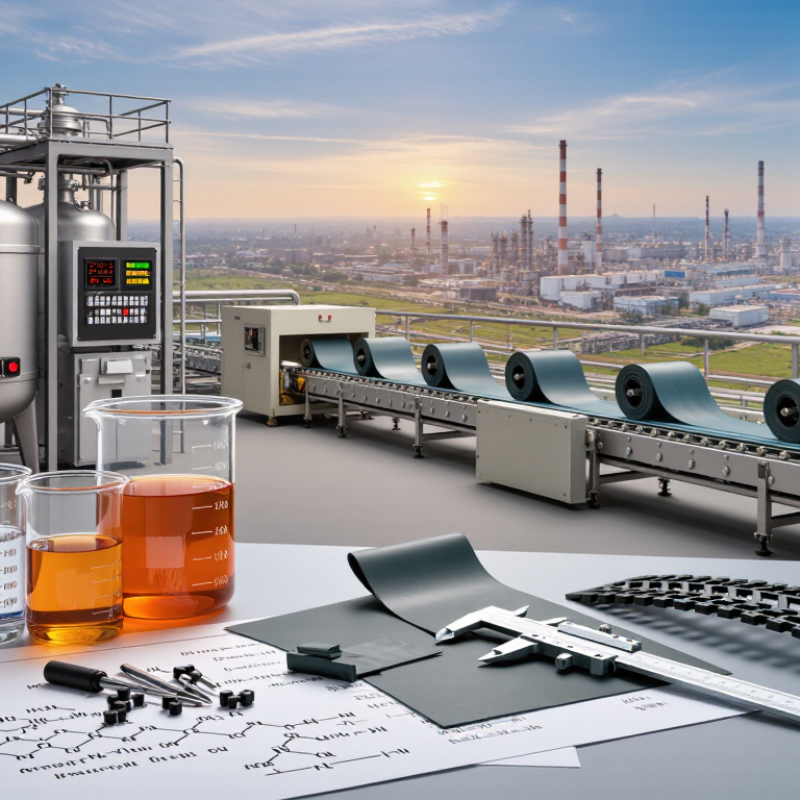
Polybutadiene Rubber: Properties, Grades, and Global Market Role
Polybutadiene Rubber: Properties, Grades, and Global Market Role
Polybutadiene rubber is valued for high resilience, strong abrasion resistance, and low heat build-up. These properties support demanding applications such as tire compounds, conveyor belts, golf balls, and impact-modified plastics. Its glass transition temperature is low, so the material remains flexible in cold conditions. However, flexibility alone does not guarantee performance. Wet grip, processing behavior, and compound compatibility also require careful evaluation.
Commercial grades vary by cis content, vinyl content, molecular weight, branching, and Mooney viscosity. High-cis grades usually provide excellent rebound and wear resistance, while solution grades offer more controlled molecular structures. Some formulations are oil-extended for easier processing. Others are selected for cleaner color or specific mixing requirements. Small differences matter. A supplier’s technical data should be checked against batch certificates, test standards, and actual production trials. Laboratory results can look impressive, yet factory behavior may differ.
Worldwide suppliers serve tire, footwear, industrial, and polymer-processing markets through regional production networks. Reliable sourcing depends on consistent specifications, traceability, logistics planning, and responsive technical support. In practical evaluations, buyers should examine cure curves, tensile strength, rebound, abrasion loss, and heat aging. Cost remains important, but the cheapest grade may increase mixing time or reject rates. This trade-off is easy to underestimate. No grade wins every application. Careful testing still matters.
Polybutadiene Rubber: Typical Grade Properties and Global Market Role
The chart compares representative properties of commonly used polybutadiene rubber grades. High-cis grades are widely selected for tire tread and sidewall compounds because of their high resilience and low glass-transition temperature, while medium- and low-cis grades are used where processability, impact modification, or controlled stiffness is required. Values are typical technical ranges or representative midpoint values and may vary with formulation, catalyst system, and test method.
Reference basis: commonly reported technical specifications for cis-polybutadiene rubber, including ASTM D412 tensile testing and supplier-grade datasheet ranges; market-role categories are non-company-specific industry classifications.
How to Evaluate Polybutadiene Rubber Suppliers Worldwide
Evaluating polybutadiene rubber suppliers requires more than comparing prices. Start with the grade, viscosity, cis content, and Mooney value required for your application. Ask for recent certificates of analysis from actual production batches. One sample can look excellent, yet regular consistency matters more.
Request a technical data sheet, safety documentation, and clear storage guidance. Reliable suppliers should explain test methods, acceptable limits, and retest procedures. Check whether their laboratory uses calibrated equipment and recognized standards. During my sourcing work, small differences in polymer structure affected mixing time and final compound performance. Details matter.
Review production capacity, lead times, packaging, and transport conditions. A supplier should describe how moisture, heat, and contamination are controlled during storage. Ask for batch traceability from raw material intake to shipment. An independent factory audit can reveal practical weaknesses, such as poor pallet protection or incomplete records. Do not rely only on polished documents.
Speak with the technical team before signing a long-term agreement. Their response to difficult questions often shows more than a sales presentation. Request a controlled trial using your own formulation and compare processing behavior, tensile strength, and aging results. No scorecard is perfect. My own early evaluations sometimes overvalued low pricing and undervalued communication. A dependable supplier supports corrective action, shares evidence, and admits limits when data is incomplete.
Profiles of the Top 10 Polybutadiene Rubber Suppliers
The ten leading polybutadiene rubber suppliers differ in scale, technology, and customer support. Several operate large production sites near major ports, helping shorten delivery times for tire and industrial rubber manufacturers. Others focus on specialty grades, including high-cis materials for improved resilience and low-heat performance. Their profiles also reveal different strengths in catalyst control, batch consistency, and technical service.
Strong suppliers usually provide detailed product data, safety documentation, and guidance on storage conditions. They can explain how molecular structure affects abrasion resistance, rolling loss, and processing behavior. Some offer customized grades for tires, conveyor belts, footwear, or impact-modified plastics. However, published claims should not be accepted without verification. Independent testing remains important. A supplier may appear highly capable, yet regional capacity or delivery reliability can change quickly.
Tips: Compare test methods before comparing figures. Request recent certificates, sample batches, and lead-time records. Check whether technical support is available in your production region. Also review packaging, shelf-life guidance, and complaint procedures. These details seem minor, but they often shape total operating cost. A careful buyer should assess more than price. My own view is that supplier rankings are useful starting points, not final decisions. Performance must be confirmed under actual mixing, curing, and temperature conditions.
Supplier Comparison by Capacity, Quality, and Regional Reach
Top 10 Polybutadiene Rubber Suppliers Worldwide
Comparing the top ten polybutadiene rubber suppliers requires more than reading annual capacity figures. Capacity shows scale, but not always dependable availability. A plant may produce 80,000 tonnes yearly and still face maintenance delays. Buyers should examine operating rates, expansion plans, and shipment records. These details reveal practical supply strength.
Quality depends on polymer structure, viscosity control, and batch consistency. Technical teams should request specification sheets, test methods, and recent certificates. Important checks include Mooney viscosity, cis content, impurity levels, and ash values. Small variations can affect tire wear, impact resistance, or processing speed. Trial batches matter. Laboratory results alone can miss production behavior. In my experience, a stable lot often saves more time than a lower quoted price.
Regional reach also changes the ranking. Suppliers with plants near major ports can shorten delivery windows and reduce inland transport risks. Local warehouses may support smaller, more frequent orders. However, wide distribution does not guarantee strong technical service. Response time, documentation quality, and regional inventory deserve equal attention. Currency changes, port congestion, and changing freight routes can disturb planning. Capacity rankings also age quickly. Recheck them before signing a long-term contract. A supplier’s environmental reporting may be incomplete, which deserves careful questioning. Credible comparisons should use audited figures, customer references, and direct factory communication.
Top 10 Polybutadiene Rubber Suppliers Worldwide - Supplier Comparison by Capacity, Quality, and Regional Reach
| Rank | Supplier Identifier | Estimated Global PBR Nameplate Capacity
(kt/year) | Primary Production Regions | Annual Export Coverage | Typical Product Portfolio | Quality and Certification Indicators | Regional Reach Score
(10) | Overall Benchmark Score
(100) |
| 1 | Supplier 01 | 500–650 | East Asia; Southeast Asia | 60+ countries | High-cis, low-cis, solution grades; tire and industrial grades | ISO 9001; ISO 14001; automotive supply qualification | 9.4 | 92 |
| 2 | Supplier 02 | 400–550 | Europe; Central Europe | 50+ countries | High-cis grades; specialty grades for tires and technical rubber | ISO 9001; ISO 14001; IATF 16949 supply systems | 9.1 | 90 |
| 3 | Supplier 03 | 350–500 | North America; Gulf Coast | 45+ countries | High-cis PBR; impact-modifier and industrial elastomer grades | ISO 9001; ISO 14001; product stewardship programs | 8.8 | 87 |
| 4 | Supplier 04 | 300–450 | East Asia | 40+ countries | High-cis grades; tire tread, conveyor belt, and footwear applications | ISO 9001; ISO 14001; batch traceability | 8.5 | 84 |
| 5 | Supplier 05 | 250–400 | Western Europe; Mediterranean region | 35+ countries | High-cis PBR; specialty and low-viscosity grades | ISO 9001; ISO 14001; REACH compliance support | 8.2 | 81 |
| 6 | Supplier 06 | 200–350 | South Asia; Middle East | 30+ countries | General-purpose high-cis grades; tire and molded rubber grades | ISO 9001; ISO 14001; laboratory certificate of analysis | 7.8 | 77 |
| 7 | Supplier 07 | 150–300 | Eastern Europe; Central Asia | 25+ countries | High-cis and medium-cis grades; industrial rubber applications | ISO 9001; ISO 14001; controlled process testing | 7.4 | 73 |
| 8 | Supplier 08 | 120–250 | Southeast Asia | 20+ countries | High-cis PBR; footwear, belts, hoses, and tire grades | ISO 9001; ISO 14001; export batch documentation | 7.1 | 70 |
| 9 | Supplier 09 | 100–200 | Latin America | 15+ countries | General-purpose PBR; tire, footwear, and mechanical-goods grades | ISO 9001; ISO 14001; standard technical data sheets | 6.8 | 67 |
| 10 | Supplier 10 | 80–150 | Africa; Middle East | 10+ countries | General-purpose grades; local tire and industrial rubber applications | ISO 9001; product conformity documentation | 6.3 | 63 |
Data note: Capacity figures are indicative nameplate-capacity ranges for polybutadiene rubber production, rounded to the nearest 10 kt/year. Scores combine capacity scale, product consistency, certification coverage, supply continuity, logistics infrastructure, and geographic reach. Supplier identifiers are anonymized and do not represent company or brand names.
Applications, Purchasing Factors, and Future Industry Trends
Top 10 Polybutadiene Rubber Suppliers Worldwide: Applications, Purchasing Factors, and Future Industry Trends
Polybutadiene rubber supports tire treads, golf balls, conveyor belts, hoses, and impact-resistant plastics. Tire manufacturing remains its largest application because the polymer improves abrasion resistance and rolling performance. Grand View Research valued the global synthetic rubber market at over USD 30 billion in 2023 and expects steady growth through 2030. Polybutadiene should benefit from vehicle production, replacement tires, and demand for lighter components. However, forecasts are not guarantees. Energy prices and weak automotive cycles can quickly change purchasing plans.
Buyers should compare cis-content, Mooney viscosity, molecular weight, batch consistency, and technical support. A supplier’s annual capacity matters, but laboratory repeatability matters more. Ask for recent certificates, test samples, delivery records, and traceability documents. Sustainability is gaining weight. The International Rubber Study Group continues to highlight pressure on rubber supply chains, including climate exposure and transport risks. The European Chemicals Agency also encourages stronger substance data and supply-chain communication. These requirements can increase costs, but they reduce surprises during audits and production trials.
Tips: Test at least two production batches before signing a long contract. Request data at the temperature used in your factory. Check storage guidance carefully; poor warehouse conditions can reduce performance before mixing. Future demand may favor low-emission production, recycled content, and bio-based feedstocks. Yet these options may not match conventional grades today. A practical purchasing plan should measure performance first, then sustainability gains, instead of trusting attractive claims alone.
