Top 10 12V Magnetic Connector Suppliers for Global Buyers
A 12v Magnetic Connector can make charging faster to align and easier to disconnect, especially on compact equipment, portable lighting, and low-voltage devices. Yet a magnetic interface is not automatically reliable. Contact resistance, rated current, magnet strength, sealing, and cable strain relief all affect performance. Small details matter.
The wider connector industry is expanding. MarketsandMarkets estimated the global connector market at USD 75.5 billion in 2023 and projected USD 100.6 billion by 2028, a 5.9% compound annual growth rate. This figure covers many connector types, not magnetic 12V products alone. Still, it signals a broad demand for dependable interconnect solutions across electronics and industrial applications. Buyers should treat market growth as context, not proof that any supplier meets their needs.
This guide compares ten suppliers for global buyers, with attention to product range, customization, documentation, and export experience. A useful shortlist starts with clear datasheets, current and voltage ratings, material details, and practical sample-testing support. Ask how suppliers verify contact durability and temperature performance. Request evidence, not only a polished catalogue. It takes time.
Supplier information can change, and online specifications may not answer every application question. That is worth remembering. Buyers should confirm the exact 12V configuration, tolerances, and delivery terms directly before placing an order. The comparison aims to support careful screening, not replace engineering review.
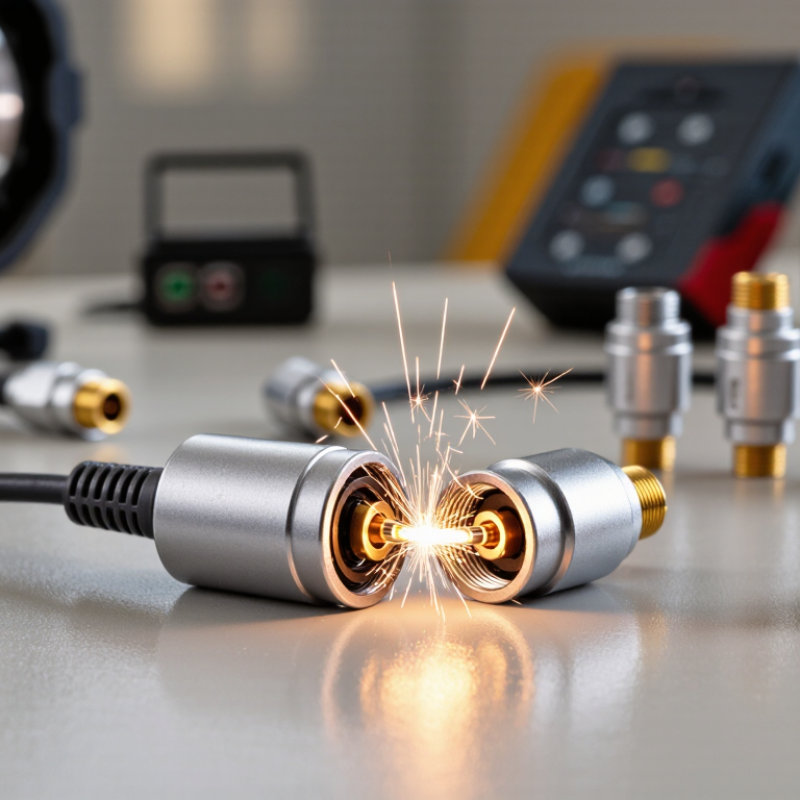
What 12V Magnetic Connectors Are and Where They Are Used
A 12V magnetic connector is a low-voltage electrical connection that uses magnetic force to bring mating contacts together. The magnets help align the plug and socket, while conductive pins or pads carry power. Many designs use spring-loaded contacts to maintain pressure when equipment moves slightly. The exact construction varies, so voltage alone does not indicate how much current a connector can safely handle. Check the rated current, contact layout, and operating temperature.
These connectors are used in products that benefit from quick, convenient charging or power connections. Examples include portable instruments, compact lighting, small appliances, and selected medical or industrial devices designed for compatible low-voltage supplies. In a workshop, a magnetic lead can separate cleanly if tugged, reducing strain on a device’s charging port. That can be useful. It is not a substitute for proper cable management or a safety-rated disconnect.
For global buyers, connector selection should reflect the actual environment and duty cycle. Compare contact resistance, mating-cycle ratings, retention force, and protection against dust or moisture. Confirm polarity and pin spacing before integrating a connector into a product; similar-looking parts may not be electrically compatible. Heat testing under the intended load is worthwhile, especially in enclosed housings. A magnetic connection can feel reassuring, but its holding force may be weaker than expected. That detail deserves a real test, not an assumption.
Top 10 12V Magnetic Connector Suppliers for Global Buyers
What 12V Magnetic Connectors Are and Where They Are Used
Magnetic connectors use magnets to help align and join contacts, and are available for equipment designed around different DC supply voltages. This comparison shows common nominal voltage contexts—not connector performance ratings. Actual equipment requirements vary, so check the device specification before selecting a connector.
How to Evaluate 12V Magnetic Connector Suppliers
When evaluating 12V magnetic connector suppliers, ask for test evidence, not just a polished datasheet. Grand View Research estimates the broader connector market reached USD 84.5 billion in 2023, with a projected 5.3% annual growth rate through 2030. That figure covers connectors generally, not 12V magnetic models, so it is market context—not proof of supplier capability. Numbers matter.
Check current rating under the actual operating temperature, contact resistance, polarity protection, and mating-cycle results. Ask how magnetic retention performs when a cable is pulled sideways; a strong straight pull test may miss a real failure. For outdoor use, request the test report and confirm whether the stated IP rating applies while mated. IEC 60529 defines IP67 protection as dust-tight and temporary immersion, typically at one metre for 30 minutes. Details matter.
Review traceability, batch inspection records, and change-notification practices. Then test samples with your own cable, enclosure, and power load. A connector that stays cool on a bench may behave differently inside a warm, crowded housing. I still find one gap in many comparisons: “12V rated” says little about safe current over time. Treat that as an open question, not a pass.
Top 10 12V Magnetic Connector Suppliers for Global Buyers
For global buyers, comparing the top 10 12V magnetic connector suppliers should start with the application, not the catalog. A 12V rating alone does not confirm that a connector suits your load. Check rated current, contact resistance, polarity, magnet retention, and mating-cycle data. Ask for a dimensional drawing and test records before approving samples. Reliable suppliers should explain material choices and provide consistent production details.
Tips: Test samples with your actual cable and enclosure. Check for heat after sustained use. Small fit differences matter.
Compare lead times, minimum order quantities, customization options, and quality controls across suppliers. Request traceability details and clear answers about inspection methods. For outdoor or washdown use, confirm the stated protection level under the conditions you expect; do not assume a sealed appearance means proven protection. Requirements can vary by destination, so verify relevant documentation with your own technical team. A supplier may look strong on paper, yet sample performance can differ from a production run. That is worth checking twice. Keep a written comparison, and note unanswered questions before placing a larger order.
How the Leading Suppliers Compare on Design and Service
For global buyers, a 12V magnetic connector supplier should be judged by more than a neat product photo. Compare contact layout, rated current, magnet strength, and housing dimensions against your device. A connector that snaps firmly on a workbench may disconnect when a cable is pulled sideways. Fit matters. Ask for drawings, tolerance data, and sample units before approving a design. Check whether the supplier explains temperature limits and cycle-life test conditions, rather than offering a single headline figure. Small details count.
Service quality becomes clear when requirements change. Can the engineering team review your cable exit, mounting space, and expected load? Do they provide clear test reports and notify you before changing materials or tooling? These answers matter as much as quoted lead times. A useful comparison also includes sample turnaround, production capacity, packaging options, and the process for handling defective batches. Request a written schedule and inspect samples under real operating conditions. One weakness in this approach: early samples may not reveal variation across full production runs. Ask how batches are checked, and keep the evaluation evidence on file.
How to Source and Verify a 12V Magnetic Connector Supplier
A 12V rating alone does not show whether a magnetic connector suits your product. Ask each supplier for the rated current, contact resistance, polarity, operating temperature, and mating-cycle rating. Confirm whether the figures apply to the connector alone or the complete cable assembly. Small details matter.
Request samples from the same production process used for bulk orders. On a bench supply, test the connector at your expected load and measure voltage drop and temperature rise after sustained operation. Check that the magnets align reliably and that the contacts do not disconnect during gentle cable movement. Test the assembled product if you need an ingress-protection rating; a connector’s rating may not cover the finished enclosure. Keep a record of sample results and the supplier’s revision-controlled drawings.
Review material specifications, quality-control procedures, and lot traceability before placing an order. Ask for relevant test reports, then verify that the tested model matches the sample and quotation. A short video call from the production area can help clarify process questions, but it is not proof of quality. Datasheets can be incomplete, and a small sample may hide variation. I would not treat one successful test as a guarantee; define acceptance checks for incoming batches and discuss corrective actions in writing.
