Top Tips for Choosing the Best Wireless Smoke Detector
Home safety is crucial, and selecting the right smoke detector is a vital step. According to the National Fire Protection Association (NFPA), smoke alarms are an essential line of defense against fire hazards. They reduce the chances of dying in a reported home fire by 50%. With the advancement of technology, Smoke Detector Wireless options have become popular due to their ease of installation and flexibility.
When considering a wireless smoke detector, various factors come into play. Many models incorporate smart technology, enabling real-time alerts to your smartphone. This is significant because traditional detectors may not provide timely notifications, especially if you are away from home. Moreover, a study by the U.S. Fire Administration found that nearly 75% of homes with non-functioning smoke alarms lacked adequate maintenance. This highlights the necessity for effective monitoring systems, particularly with wireless models.
Investing in a wireless smoke detector can transform your safety measures. However, not all products deliver the same reliability. Researching trusted brands and understanding your specific needs are essential. Mistakes can occur if you overlook important features like battery life and connectivity. Thus, being informed can lead you toward making a sound decision that enhances your home safety.
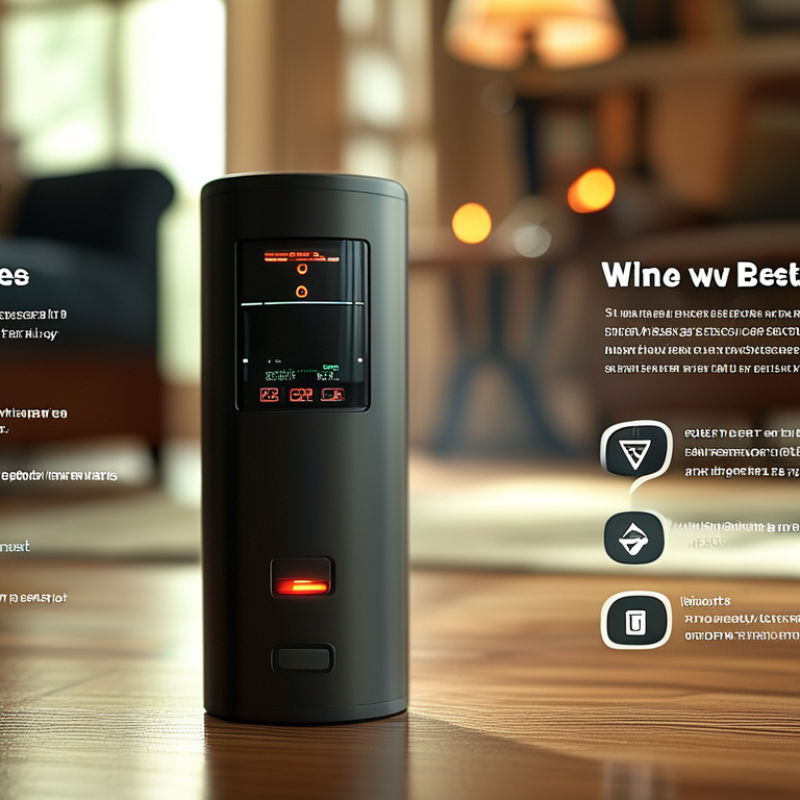
Understanding Wireless Smoke Detectors: Key Features and Benefits
When selecting a wireless smoke detector, understanding key features is vital. Wireless models offer convenience, eliminating the need for hardwiring. They can be easily installed in various locations, keeping safety a top priority. Look for units with a long battery life. It reduces maintenance and ensures your home remains protected.
Consider detectors with integrated smart technology. These devices can send alerts to your smartphone. This feature can be lifesaving, as it keeps you informed even when you’re away. However, not all smart detectors have the same reliability. Research user reviews to gauge performance.
Keep in mind the sensitivity of the smoke detector. Some are more prone to false alarms. A highly sensitive device may trigger with cooking fumes. Balance is key. You want a unit that detects real danger but avoids unnecessary interruptions. Prioritize your needs and the layout of your home. Always reflect on how often you check the unit's functionality. Regular testing is crucial for effective operation.
Evaluating Sensor Types: Photoelectric vs. Ionization Detectors
When choosing a wireless smoke detector, understanding the sensor types is crucial. Photoelectric detectors are responsive to smoldering fires. These fires produce larger particles, which the sensor can easily detect. This type is often better for detecting smoke from furniture or electrical fires.
Ionization detectors, on the other hand, excel at detecting fast-flaming fires. They work on a different principle. They use a small amount of radioactive material to ionize the air. This makes them effective for quick alerts, especially in kitchen fires. However, they may not respond as quickly to smoldering fires.
When selecting between these options, consider your living environment. If you frequently cook, an ionization detector is beneficial. Yet, photoelectric types may be more suitable in living areas. Testing your detector occasionally ensures reliability. Smoke detectors can fail; they are not infallible. Don’t overlook placement; a poorly placed detector might miss smoke entirely. Educating yourself on these differences builds your confidence in fire safety. You deserve the best protection in your home.
Assessing Connectivity Options: Wi-Fi, Bluetooth, and Smart Home Integration
When selecting a wireless smoke detector, connectivity options are crucial. Wi-Fi models connect directly to your home network. This feature allows immediate alerts to your phone. Imagine receiving a notification while out for groceries. Such convenience is invaluable. However, Wi-Fi connections can be unreliable. An interrupted signal might delay alerts during emergencies.
Bluetooth smoke detectors offer another option. They typically connect to your smartphone but have a limited range. These detectors often provide seamless integration with your mobile devices. But, lack of a constant internet connection can be a drawback. Always ensure your phone is within range, or you might miss critical alerts.
Smart home integration is worth considering. Many devices now sync with smart home systems. This can create a cohesive safety network within your home. For instance, your smoke detector can communicate with smart lights, illuminating exit paths during an alarm. Yet, technology can fail. Regular testing and monitoring are necessary to maintain reliability. Overall, assess the benefits and limitations of each connectivity type carefully.
Battery Life and Maintenance Considerations for Wireless Smoke Alarms
When choosing a wireless smoke detector, battery life is crucial. A smoke alarm with a short battery lifespan will require frequent replacements. This can lead to neglect, increasing the risk of failing to detect smoke. Many detectors have options for lithium batteries, known for their longevity. They can last several years without needing replacement, ensuring peace of mind.
Regular maintenance is just as important. Even the best smoke detectors can malfunction if not cared for properly. Dust and debris can accumulate and impair sensor function. It’s wise to test alarms monthly. A simple push of the test button can reveal operational issues.
Consider placement in the home as well. Strategically positioning your smoke detector can aid in accurate smoke detection. However, the best detector won’t help if it’s out of reach. Review the manufacturer’s maintenance guidelines regularly. This commitment to upkeep enhances reliability. Strive for a smoke detector that offers features like low-battery alerts. These reminders can prevent unexpected failures, signaling when it’s time to change the battery.
Choosing the Right Placement: Strategic Locations for Maximum Safety
Placement of wireless smoke detectors is crucial for effective fire safety. According to the National Fire Protection Association (NFPA), nearly 60% of fire fatalities occur in homes without working smoke detectors. To optimize safety, consider strategic locations within the home. Smoke rises, so detectors should be installed on ceilings or high on walls, ideally within 12 inches of the ceiling.
Bedrooms and hallways are vital areas. A smoke detector should be in each sleeping area. Many fatalities occur while people are asleep, and an early warning can save lives. Place detectors at a distance of 10 feet from cooking appliances to reduce false alarms. Regular maintenance is essential; a non-functioning detector is just as dangerous as having none.
Locations like attics and basements should also be considered. These areas can harbor fires that spread unnoticed. However, avoid placing detectors in overly humid areas like bathrooms. This could lead to reduced sensitivity. Frequent testing and battery changes ensure reliability. Keeping detectors clean from dust and debris also prolongs their effectiveness, addressing common oversights in home safety.