
Connect with us today to learn more about our industrial automation solutions—and how to commission them for your application.
Top Tips for Choosing the Right Desander Machine for Your Needs?
Choosing the right Desander Machine is crucial for various industrial applications. With the right equipment, you can enhance efficiency and protect your processes from unwanted solids. It’s essential to understand your specific needs before making a purchase.
Different industries have their own requirements. A good Desander Machine should fit seamlessly into your workflow. For instance, if you’re working in oil and gas, a specialized design is necessary. This machine can significantly impact productivity and cost-effectiveness. Be wary of vendors who overpromise on performance.
It’s not just about the features, but also the brand reputation. Consider manufacturers who have a history of reliability. This helps ensure that your investment is sound. Remember, your choice affects not just your operations but also your bottom line. Take the time to reflect on your options carefully. The right Desander Machine can make a world of difference.
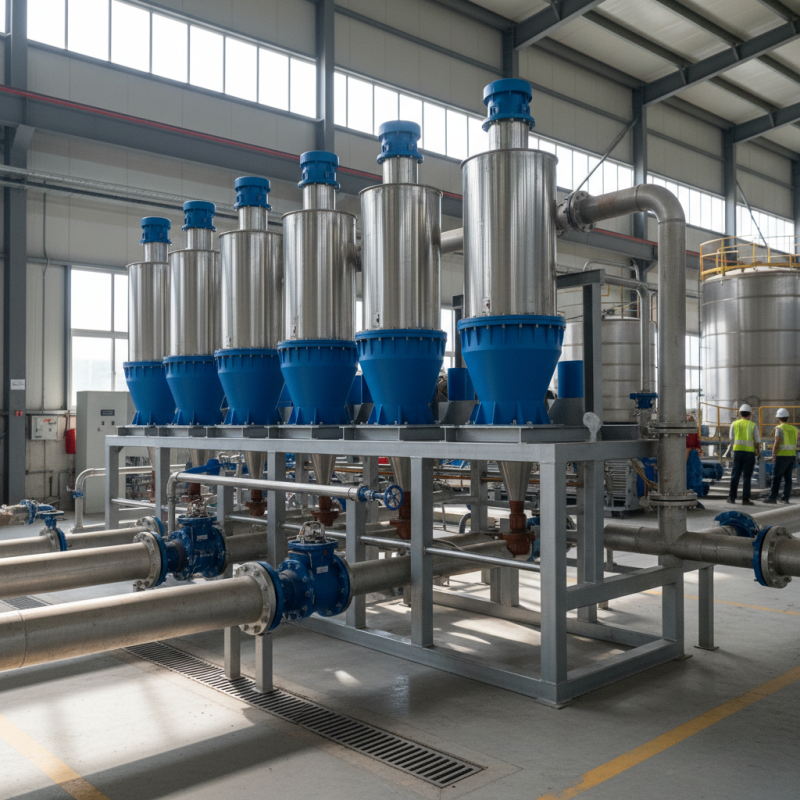
Understanding Desander Machines and Their Purpose
Desander machines play a crucial role in many industries, especially in oil and gas. They are designed to remove sand and other particulate matter from drilling fluids, ensuring smooth operations and extending equipment life. According to industry reports, sediment removal can improve drilling efficiency by up to 30%. These machines contribute to maintaining the integrity of the system, preventing costly downtime.
When selecting a desander machine, consider your specific requirements. Think about factors like flow rate, pressure drop, and the type of particles you need to remove. Not all machines are built the same. Each application may require a unique configuration. For instance, solids content and fluid viscosity are essential metrics that influence your choice. Knowing these parameters can dramatically affect the performance of your operations.
Tip: Evaluate the machine’s design and ease of maintenance. A user-friendly design can significantly reduce maintenance time and costs. Moreover, check customer reviews or seek expert advice for insights. It can help in making a more informed choice. Select a desander that not only meets your current needs but can also adapt to future challenges in your operations.
Top Tips for Choosing the Right Desander Machine for Your Needs
| Feature | Description | Considerations |
|---|---|---|
| Separation Efficiency | The ability of the desander to effectively separate sand and solids from the liquid. | Consider the type of material being processed and required separation levels. |
| Capacity | The amount of liquid the desander can process in a given time frame. | Match capacity with your operational needs to avoid bottlenecks. |
| Size and Footprint | The physical dimensions and space requirements of the machine. | Ensure it fits within your facility and allows for maintenance access. |
| Maintenance Requirements | How often and what type of maintenance the machine will need. | Check service intervals and ease of access for maintenance. |
| Material of Construction | The materials used in the construction of the machine, affecting durability. | Select materials that resist corrosion and wear based on your environment. |
| Cost | The upfront price of the machine, along with operational costs. | Compare total costs including installation, maintenance, and operation. |
| Supplier Reputation | The track record of the supplier and their customer service quality. | Research reviews and get recommendations from industry peers. |
Key Factors to Consider When Selecting a Desander Machine
Choosing the right desander machine requires careful consideration of several key factors. First, assess the specific needs of your operation. What type of material will the machine process? Heavy solids, fine particles, or a mix? Understanding your requirements informs the selection process.
Another critical factor is the machine's capacity. Different desanders handle varying volumes of material. A machine with a higher capacity may seem appealing, but it can be overwhelming for smaller tasks. Ensure the chosen machine aligns with the scale and frequency of your projects.
Maintenance is often overlooked but is crucial. Regular upkeep ensures longevity and efficiency. Check the ease of cleaning and replacement parts availability. Machines that are difficult to maintain may become costly over time. Reflect on your maintenance capabilities and set a realistic expectation. A thoughtful choice now can save time and money later.
Types of Desander Machines: Which One is Right for You?
When selecting a desander machine, understanding the types available is crucial. Desanders primarily fall into two categories: hydrocyclone desanders and separator desanders. Hydrocyclone desanders use centrifugal force to separate solids from liquids effectively. They excel in handling high flow rates, often exceeding 2000 barrels per day, making them suitable for large-scale operations. On the other hand, separator desanders utilize a different mechanism, offering versatility in various drilling applications.
It's essential to assess your specific needs before deciding. Consider the nature of the solids you want to remove. For example, if you're dealing with sand and silt, hydrocyclone models may deliver better results. However, if your operation encounters more complex mixtures, separator desanders might be the better choice.
Tip: Review operational costs and maintenance requirements. According to industry reports, poorly maintained desanders can increase downtime by up to 30%. Additionally, think about the size and portability of the machine. Some projects may require mobile solutions, while others benefit from larger, stationary units. Knowledge of these factors will help you make an informed decision. Choose wisely, as the right equipment can significantly enhance your efficiency and productivity.
Evaluating the Performance and Efficiency of Desander Machines
When evaluating the performance and efficiency of desander machines, several factors come into play. These machines are designed to remove sand and sediment from fluids. Understanding their capabilities helps you make an informed choice. Key aspects include filtration efficiency and flow rate. A machine with high filtration can capture more particles, which results in cleaner output. Look for a balance between filtration efficiency and the required flow rate for your specific application.
Another important aspect is ease of maintenance. A machine that's difficult to service can become a bottleneck in operations. Regular maintenance helps sustain performance. You should consider the accessibility of filters and other components. Machines that require frequent upkeep can lead to unexpected downtime. Some users report that overlooked maintenance causes efficiency to dip significantly.
Lastly, energy consumption is vital. A more energy-efficient machine may have higher upfront costs but can save money over time. Reflecting on how often the machine runs will guide your decision. Even minor inefficiencies can add up. Always contemplate the trade-offs between initial costs and long-term savings before committing to a purchase.
Maintenance and Support: Ensuring Longevity of Your Desander Machine
When investing in a desander machine, maintenance plays a critical role in ensuring longevity. According to a recent industry report, regular maintenance can extend the lifespan of these machines by up to 30%. Routine checks of vital components such as pumps, valves, and screens are crucial. Neglecting these checks could lead to inefficient operation and costly repairs. Simple tasks, like cleaning filters, should not be overlooked.
Support also significantly impacts performance. Many manufacturers provide comprehensive support packages, including training sessions for operators. Proper training helps in identifying potential issues early. A rigorous training program can reduce equipment downtime by 40%, as reported by the Engineering Maintenance Association. Even with the best machine, lack of understanding can result in operational errors.
Unexpected breakdowns can occur. Therefore, maintaining a relationship with suppliers is vital. They can offer insights and solutions tailored to unique operational challenges. Statistics indicate that companies with strong supplier relationships report 25% fewer machine failures. It's important to reflect on these aspects when selecting a desander machine and ensure that maintenance and support systems are robust.