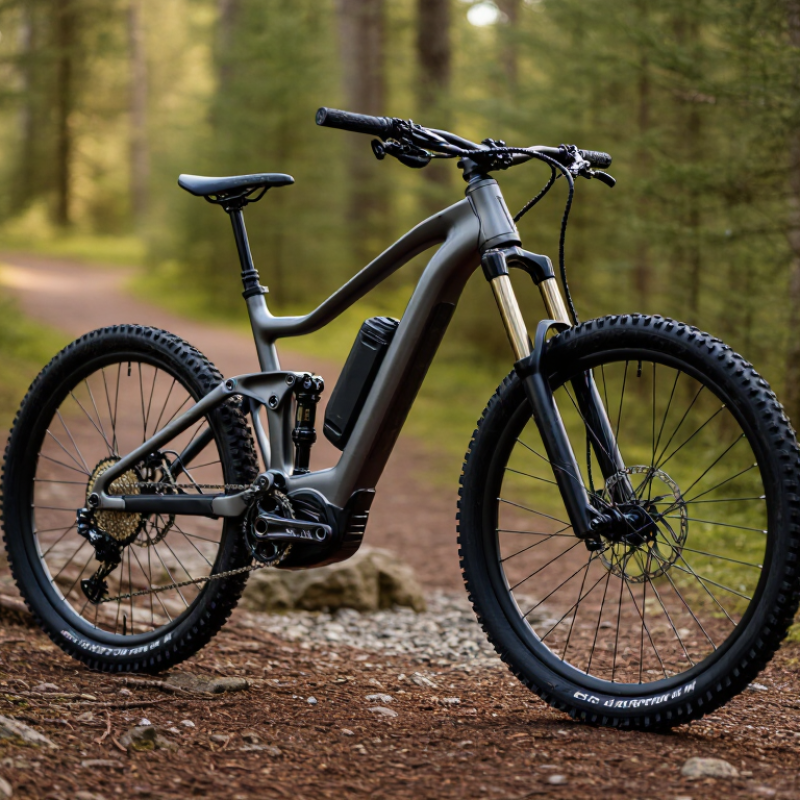
7 Tips for Choosing a 29inch MTB Electric Bike

Choosing a 29inch MTB electric bike involves more than checking wheel size, motor wattage, or battery capacity. The right model must match your trails, riding posture, fitness level, and transport needs. A steep forest climb demands different equipment than a smooth park path. Tire width, suspension travel, frame geometry, and braking power can change the entire experience.

Richard Peace, a long-time electric bike journalist, offers a useful principle: “The right e-bike depends on how and where you ride.” That advice sounds simple. It is also easy to ignore. Many buyers focus on impressive specifications, then discover that the frame feels too large, the battery is awkward to remove, or the motor responds too sharply on loose ground. A careful test ride remains valuable.

This guide presents seven practical tips for selecting a 29inch MTB electric bike. It examines motor placement, battery range, suspension performance, braking systems, frame fit, component quality, and after-sales support. Each point connects specifications with real trail conditions, including wet roots, gravel climbs, narrow turns, and long descents. Numbers still matter, but they do not tell the whole story. A larger battery may add weight. More suspension may improve comfort, yet reduce efficiency on paved routes. Even experienced riders can overlook these trade-offs. Your ideal bike may not be the most powerful one. It should feel stable, predictable, and manageable when the trail becomes difficult.

7 Tips for Choosing a 29inch MTB Electric Bike

Define Your Riding Goals and Typical Trail Conditions

Before choosing a 29-inch electric mountain bike, picture a real ride, not an ideal one.

Are you climbing loose fire roads, threading roots, or rolling over rocky, fast descents? A 29-inch wheel can help smooth larger obstacles, but it will not make a heavy bike feel nimble on tight switchbacks.

Be honest about your usual pace and fitness, too. A long, steep climb may make motor support valuable; a short, gentle loop may not justify the extra weight.

Small detail, big difference.

Check the trails you actually ride: surface, gradient, distance, and access rules. IMBA’s guidance on sustainable trail design emphasizes matching trails to terrain and managing erosion, a useful reminder that muddy, steep paths demand different riding choices from dry, firm tracks.

Ask local trail groups about seasonal closures and permitted e-bike classes. Conditions vary. For market context, PeopleForBikes reported that U.S. e-bike sales exceeded one million units in 2022.

That growth makes local trail etiquette and access checks even more relevant; sales figures do not tell you whether a particular trail suits your ride.

A simple test helps: note your longest climb, roughest section, and typical ride duration.

I’ve found this kind of checklist useful, though it can miss the joy of an unplanned detour. A little uncertainty is normal.

Check 29-Inch Wheel Fit, Frame Geometry, and Rider Comfort

A 29-inch wheel sounds universally capable, but its 622 mm bead-seat diameter, defined by ISO 5775, does not guarantee a good fit. The wheel’s height can raise the front of the bike and reduce toe clearance, especially on smaller frames. Stand over the top tube in your riding shoes, then turn the handlebar fully while checking whether your shoe brushes the tire. A quiet garage test helps.

Frame geometry matters as much as wheel size. A longer reach may feel stable on a fast trail, yet strain your shoulders on a slow climb. Check the manufacturer’s reach and stack measurements against a bike that already feels comfortable, if you have one. Then test the saddle height and handlebar position on a short ride, including a few turns and rough patches. The 2023 PeopleForBikes U.S. Electric Bicycle Owner Survey documents varied e-bike use, a reminder that fit should reflect your actual routes, not just a spec sheet. Small discomfort counts.

Comfort is not only about suspension. Tire width, pressure, saddle shape, and grip thickness change how bumps reach your hands and hips. Start within the tire maker’s pressure range; adjust gradually, and note how the bike behaves on familiar ground. One imperfect test ride cannot settle the question. Your body may disagree tomorrow.

Compare Motor Output, Battery Capacity, and Expected Range

7 Tips for Choosing a 29-inch MTB Electric Bike

Motor output should match your terrain, not just the largest number on the display. In Europe, EN 15194 limits continuous rated power to 250 watts for compliant pedelecs. Mountain trails may still need stronger torque, especially on steep, loose climbs. A 500-watt motor can feel weaker than a 250-watt unit with better torque control. Check continuous power, peak torque, and assistance response. Peak figures can look impressive but often hide real climbing performance.

Battery capacity is measured in watt-hours, calculated as volts multiplied by amp-hours. A 500Wh battery stores more energy than a 400Wh unit, but range depends heavily on weight, tire pressure, temperature, and trail elevation. Guidance from the European Cyclists’ Federation commonly places e-bike consumption around 5–15Wh per kilometre. On rough MTB routes, a practical 500Wh estimate may fall near 30–60 kilometres. That range is not guaranteed. Cold weather reduces usable capacity, sometimes noticeably.

Use a simple comparison: expected range equals battery watt-hours divided by real consumption. For example, 625Wh divided by 15Wh/km suggests about 42 kilometres. However, this calculation is optimistic if you ride steep trails continuously. The International Energy Agency’s Global EV Outlook 2024 confirms that electric two-wheelers are highly energy-efficient, but it does not replace a trail-specific test. I would check range with the same route, rider load, and assistance mode. Small details matter. A larger battery also adds weight, and that trade-off is easy to underestimate.

Assess Suspension, Brakes, Gearing, and Overall Trail Control

7 Tips for Choosing a 29inch MTB Electric Bike

A 29-inch electric mountain bike rolls smoothly over roots and loose stones, but wheel size cannot fix poor suspension. Check the fork’s travel and adjustment range. It should absorb repeated impacts without diving sharply during braking. A rear shock adds comfort on technical trails, though it also increases weight and maintenance. I once chose a bike with excessive travel and found tight switchbacks harder to control. More suspension is not always better.

Test the brakes before judging their power. Hydraulic disc brakes should feel firm, predictable, and easy to modulate with one finger. Larger rotors can improve control on long descents, especially with the bike’s extra motor weight. However, overheated brakes still fade. Let them cool when needed. Examine the gearing carefully. A wide-range cassette and low climbing gear help maintain steady cadence on steep, uneven ground. Shift before the slope becomes severe, not halfway up it.

Trail control depends on more than components. The handlebar should feel stable without forcing your shoulders wide. A dropper post can lower your center of gravity before a rocky descent. Choose tires with dependable sidewalls and suitable tread for local terrain. At the shop, ride slowly, turn sharply, and stop on a slope. Listen for rattles. Check whether the motor response feels smooth rather than abrupt. I still prefer a slightly slower setup if it gives clearer steering and calmer braking. Mistakes happen, especially when settings are adjusted too quickly.

7 Tips for Choosing a 29-Inch MTB Electric Bike: Assess Suspension, Brakes, Gearing, and Overall Trail Control

Tip What to Assess Practical Check Why It Matters on the Trail
1. Match suspension travel to your terrain Check the fork travel and, on a full-suspension bike, the rear travel. Consider whether you ride smooth paths, technical trails, or steep and rocky terrain. For general trail riding, roughly 120–150 mm of travel is a common range. Confirm the bike’s intended use and suspension setup rather than choosing by travel alone. Appropriate suspension helps the tires stay in contact with uneven ground while avoiding unnecessary weight or excessive movement on smoother climbs.
2. Inspect the brakes for e-bike demands Look for hydraulic disc brakes, rotor size, pad availability, and lever reach adjustment. Electric mountain bikes are often heavier than non-electric bikes. Rotors around 180 mm are common; 200–203 mm rotors can provide more heat capacity for heavier riders, long descents, or demanding terrain. Check that the frame and fork support the chosen rotor size. Consistent braking helps maintain control on steep descents and reduces the chance of brake fade during prolonged use.
3. Check the gear range and shifting Assess the number of gears, the easiest climbing gear, and whether the drivetrain is designed for the bike’s intended riding conditions. A wide-range cassette, often with a largest sprocket in the First few? Actually fix. Use 50-52 teeth common. 11-50/10-52. Lower climbing gears make it easier to keep a steady cadence on steep climbs; smooth shifts help preserve traction when terrain changes quickly.
4. Evaluate tire grip and clearance Review tire width, tread pattern, casing, and frame clearance. A 29-inch wheel describes the wheel diameter, not the tire’s width or grip level. Many trail setups use tires roughly 2.3–2.6 inches wide, though suitable width depends on rim width, clearance, terrain, and rider preference. Check the manufacturer’s approved tire limits. Suitable tires support cornering and braking traction. Adequate clearance helps prevent mud or debris from rubbing against the frame.
5. Prioritize fit and handling Compare the bike’s reach, stack, standover height, and seat adjustment with your body and riding position. Do not select a size based on wheel size alone. Use the sizing chart as a starting point, then test ride if possible. Check that you can stand over the bike comfortably and steer without feeling stretched or cramped. A well-fitting bike is easier to balance, corner, and control on technical sections, especially when the bike’s motor and battery add weight.
6. Test motor assistance and weight balance Try the available assistance modes and notice how smoothly power starts and stops. Check battery placement and how the bike feels when lifting or maneuvering it. On a test ride, pedal up a short climb, make a slow-speed turn, and brake to a stop. Look for predictable assistance rather than abrupt surges. Progressive assistance and balanced handling make it easier to manage traction on loose climbs and maintain control at low speed.
7. Check setup, service, and trail readiness Confirm suspension adjustments, brake condition, wheel security, battery locking, and access to compatible replacement parts and service. Before riding, set suspension sag according to the component maker’s guidance, check tire pressure for the terrain, and verify that brakes and axle fasteners are secure. Correct setup and routine checks improve predictable handling and help reduce avoidable mechanical problems on the trail.

Note: Specifications are general selection guidelines, not universal requirements. The best setup depends on rider weight, terrain, bike design, and component compatibility.

Review Bike Weight, Component Quality, Warranty, and Service Support

Choosing a 29-inch MTB electric bike starts with weight, not styling. On steep gravel, every extra kilogram appears when lifting the bike over a gate or loading it into a car. I have found that a lighter frame feels playful, but an ultra-light build may sacrifice battery size or trail durability. Check the listed weight with pedals and battery installed. Manufacturers do not always measure it the same way. That detail matters.

Component quality deserves a hands-on inspection. Look for hydraulic disc brakes with firm lever control, a suspension fork with adjustable rebound, and wide tires with reliable sidewalls. The motor should deliver predictable assistance rather than a sudden push on loose climbs. Test the gear shifting under load if possible. A clean cable layout and sealed connectors also suggest careful assembly. Still, shiny parts can mislead. Ask about replacement availability for the display, battery, charger, and derailleur.

Warranty terms reveal how confidently a seller supports its claims. Read coverage periods, exclusions, battery conditions, and whether labor or shipping costs are included. A long warranty means little if service replies slowly. Contact support before purchasing and ask how faults are diagnosed. Useful answers include repair timelines, local service options, and spare-parts procedures. Keep the receipt and record the frame number. I once assumed a minor brake rub was harmless; it became expensive after repeated riding. Regular checks prevent that mistake. Good support feels practical, not promotional.

Learn More

Connect with us today to learn more about our industrial automation solutions—and how to commission them for your application.