Connect with us today to learn more about our industrial automation solutions—and how to commission them for your application.
Why Do You Need an EMC Line Filter for Your Devices?
In today's high-tech world, electromagnetic interference (EMI) is a growing concern. Many electronic devices face disruption from EMI. This is where the EMC line filter becomes essential. It offers a solution to enhance device performance and reliability.
An EMC line filter helps mitigate unwanted signals. These filters protect devices from external disturbances. Without them, the risk of malfunctions increases. This can lead to costly repairs and downtime. For manufacturers, investing in an EMC line filter is crucial. It ensures product quality and customer satisfaction.
However, some may overlook the importance of an EMC line filter. It is easy to underestimate the impact of EMI. Proper education and awareness are key. Devices may operate without them, but at what cost? Ignoring this vital component can harm long-term success. Understanding the need for an EMC line filter can change that narrative.
Understanding Electromagnetic Interference (EMI) and Its Impact
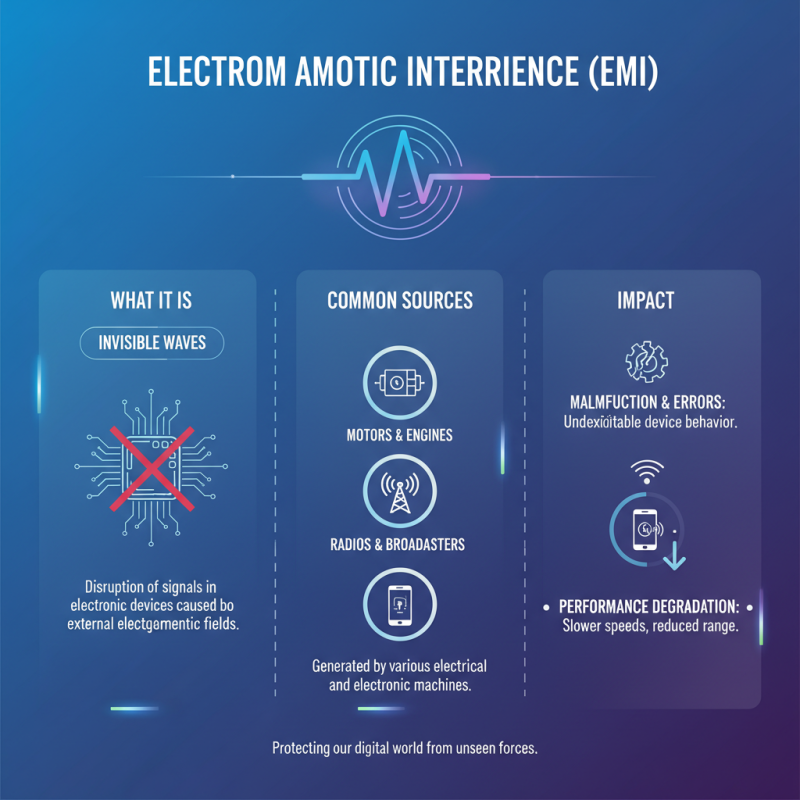
Electromagnetic interference (EMI) is a common issue that affects many electronic devices. It can cause malfunction or degradation of performance. EMI arises from various sources, such as motors, radios, and even wireless devices. The invisible waves disrupt the signals in nearby machines, creating a cascade of problems.
Devices susceptible to EMI may experience data loss or erratic behavior. For instance, a simple malfunction in a medical device can have serious consequences. Understanding the sources of EMI is essential for manufacturers. They must consider how their devices will be used in real-world environments. Mitigating this interference is not always straightforward.
One effective solution is using an EMC line filter. These filters help reduce EMI by preventing noise from entering or leaving a device. Filtering techniques can significantly enhance performance. However, selecting the right filter requires careful consideration of frequency ranges and application specifics. A mismatch may lead to inadequate protection. Designers must weigh trade-offs, ensuring devices remain robust against the unpredictable nature of EMI.
What Is an EMC Line Filter and How Does It Work?
An EMC line filter is crucial for electronic devices. It reduces electromagnetic interference (EMI). This interference can disrupt the normal operation of sensitive components. Devices like computers and medical equipment are particularly vulnerable. Noise on power lines can affect performance. It may lead to unwanted resets or even data loss.
The filter works by allowing the desired signals to pass while blocking unwanted noise. It typically consists of capacitors and inductors. These components create a barrier against high-frequency signals. As electricity flows through, the filter absorbs or redirects interference. However, not all filters are perfect. They may not eliminate all noise, leading to potential vulnerabilities.
Choosing the right EMC line filter is important but can be complex. Factors include frequency range and load requirements. This process requires careful consideration. A wrong choice might not provide adequate protection. Regular evaluations can help ensure effectiveness. It's essential to reflect on how these filters impact device reliability and performance.
Key Benefits of Using EMC Line Filters in Electronic Devices
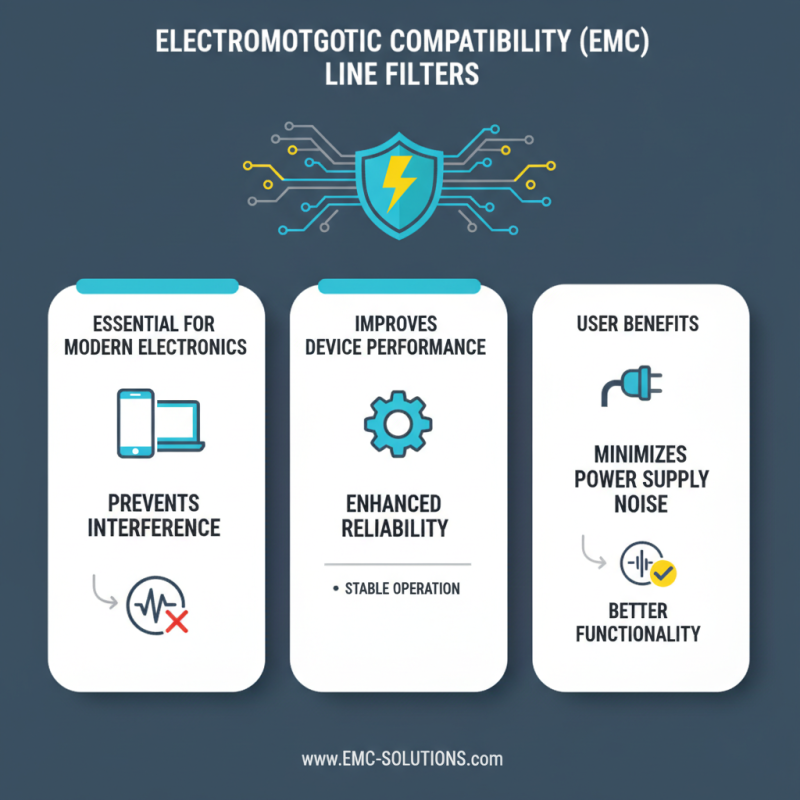
Electromagnetic compatibility (EMC) line filters are essential for modern electronic devices. They prevent interference from various sources. This interference can affect device performance and reliability. By using an EMC line filter, users can minimize noise from the power supply. This leads to better functionality.
One of the key benefits of EMC line filters is their ability to enhance device longevity. Without these filters, devices might fail earlier than expected. They protect sensitive components from voltage spikes and transients. This protection is critical, especially in industrial settings. Moreover, EMC filters can improve compliance with regulatory standards. This can save companies time and money.
However, choosing the right filter can be challenging. Users must consider the specific application and environment. Not all filters suit every device, and this requires careful thought. Also, the installation process can be complex and may lead to errors. Therefore, ongoing evaluation and adjustment are necessary. This ensures optimal performance over time.
Common Applications of EMC Line Filters in Various Industries
EMC line filters play a vital role in various industries. These filters help reduce electromagnetic interference (EMI) in devices. This is crucial for industries like telecommunications, healthcare, and automotive.
In telecommunications, EMC line filters ensure clear signals. They prevent unwanted noise from affecting communication equipment. Telecommunications equipment must meet strict regulations. Filters help achieve that compliance.
In healthcare, devices need to operate without interference. Filters protect sensitive medical equipment. They safeguard against electrical noise that could lead to inaccurate readings.
Tips: Select the right filter based on your device's needs. Consider the frequency range and potential sources of interference.
In the automotive sector, the rise of electric vehicles increases the need for EMC line filters. These filters ensure safe operation of electric and electronic systems. However, not all systems may be adequately filtered. Regular checks are essential to pinpoint potential issues.
Tips: Don't overlook the installation process. Proper placement of the filter is key to its effectiveness. Inadequate installation can lead to failure.
Guidelines for Selecting the Right EMC Line Filter for Your Needs
When selecting an EMC line filter, understanding your equipment's specific needs is crucial. It ensures you minimize electromagnetic interference effectively. Begin by evaluating your device’s operational environment. Identify potential sources of noise. This can be motors, power supplies, or even nearby devices.
Tips: Consider the filter’s current rating. Is it suitable for your application? A filter rated too low can fail, leading to device malfunction.
Next, examine the frequency range of your application. Line filters are designed for certain frequency bands. The wrong choice might not filter out unwanted frequencies. Look for filters that suit your frequency needs and meet relevant standards.
Tips: Don’t overlook size constraints. Ensure the filter fits your device housing. A filter that’s too bulky can make installation difficult.
Finally, choose based on the installation process. Some filters come ready to install, while others require additional work. Reflect on your team’s skill level. A complicated installation can lead to mistakes or unplanned downtime.
EMC Line Filter Efficiency by Frequency Range
Related Posts
-
Top 10 Benefits of Using an EMC Line Filter?
-
Top 10 Benefits of Using AC Motor VFD for Energy Efficiency and Performance
-
2026 Best Electromagnetic Clutch Brake Options Explained
-

7 Reasons Why the Best 220v VFD Single Phase is a Game Changer for Your Business
-
What is a Single Phase VFD and How Does it Work for Your Applications
-
5 Amazing Facts About Motor Inverters You Should Know