
Connect with us today to learn more about our industrial automation solutions—and how to commission them for your application.
Flange Hexagon Bolts Buying Guide for Global Suppliers?
When considering flange hexagon bolts, it’s crucial to understand their significance in various applications. These bolts are essential for creating secure, stable connections in multiple industries. Properly selecting flange hexagon bolts can greatly affect a project’s overall integrity.
Many suppliers offer an extensive range of flange hexagon bolts with varying specifications. Quality and durability are vital factors during selection. A single mistake in choosing the wrong type can lead to failure. It’s important to ask for information about material grades and coating options. Details matter when confirming the reliability of your supplier.
In this guide, we review key aspects to consider when purchasing flange hexagon bolts. While many suppliers present themselves as experts, not all provide the same level of service or quality. Research and verify the credibility of suppliers to ensure trustworthy partnerships. Ignoring due diligence may lead to setbacks in your projects. Always prioritize quality and reliability in your procurement process.
Understanding Flange Hexagon Bolts: Key Features and Types
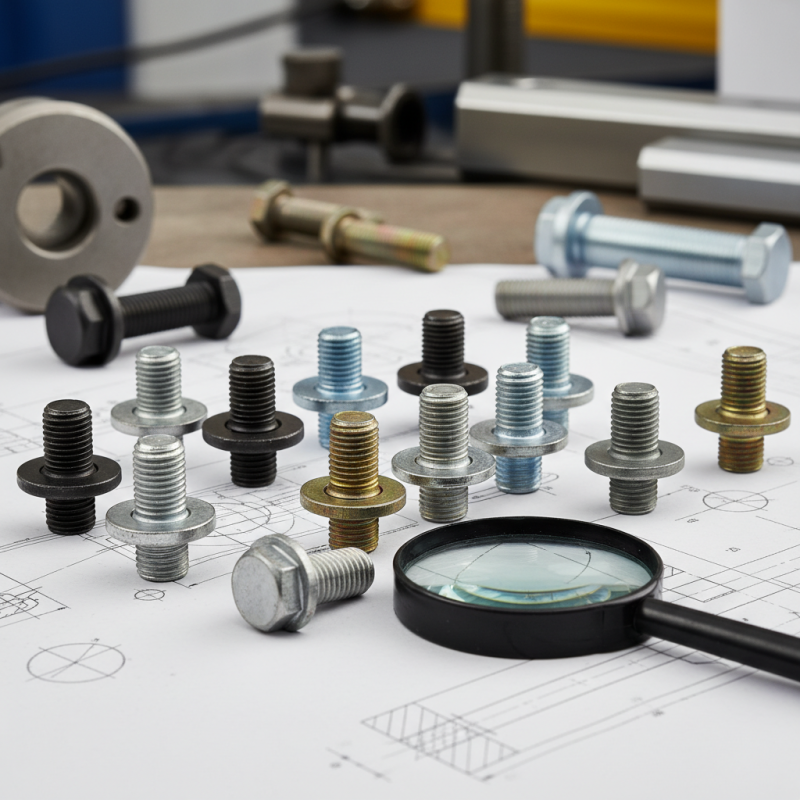
Flange hexagon bolts are critical components in various industries. They offer enhanced stability and load distribution. Understanding their key features can lead to better procurement decisions. These bolts typically have a wider bearing surface, which helps prevent damage to materials.
When selecting flange hexagon bolts, consider the material and finish. Different applications require different levels of corrosion resistance. Stainless steel bolts are ideal for environments exposed to moisture. Meanwhile, coated bolts can offer a cost-effective alternative for less harsh conditions.
Tips: Always double-check the sizes and specifications. Inaccurate measurements can lead to assembly issues. Also, consider the bolt grade. Higher grades indicate stronger and more reliable performance, especially in heavy-load applications. Ensure that you communicate with suppliers to verify these specifications.
Flange Hexagon Bolts Buying Guide for Global Suppliers
| Feature | Description | Type | Material | Head Type |
|---|---|---|---|---|
| Size | Various diameters and lengths available. | Standard | Steel | Hexagon |
| Coating | Zinc plated, hot-dip galvanized, or powder-coated options. | Counterbored | Stainless Steel | Low Profile |
| Strength Grade | Common grades include 8.8, 10.9, and 12.9. | Flange | Carbon Steel | Flange Hex |
| Applications | Used in construction, automotive, and machinery. | Heavy Duty | Alloy Steel | Tapered |
Material Selection for Flange Hexagon Bolts: Best Practices
When selecting materials for flange hexagon bolts, understanding the specific requirements of your application is vital. Steel alloys are commonly preferred due to their high strength and durability. According to a recent industry report, over 70% of manufacturers focus on carbon steel for general purposes. However, stainless steel is gaining traction, especially in corrosive environments. It accounts for approximately 25% of the total flange bolt market.
It's essential to consider the tensile strength and corrosion resistance of the material. For example, Grade 8 bolts provide a tensile strength of 150,000 psi. However, other grades may also be suitable depending on the application’s load-bearing requirements. Using the wrong grade can lead to failure, costing time and resources. A significant percentage of engineers acknowledge the gap between material knowledge and actual application. Addressing these gaps can improve overall design efficiency.
While selecting coatings like zinc or hot-dip galvanizing can enhance corrosion resistance, they can complicate thread tolerances. Less than perfect coating procedures might hinder the effective load distribution. Thus, manufacturers should weigh the benefits against potential issues. A holistic approach to material selection ensures that the final product meets or exceeds performance expectations in the field.
Sizing and Specifications: How to Measure Flange Hexagon Bolts
Measuring flange hexagon bolts correctly is essential for ensuring a proper fit. First, focus on the diameter of the bolt. Use calipers to measure from the flat surface to the opposite side. This gives you the nominal diameter. Accurate measurements prevent misalignments during assembly.
Next, consider the length of the bolt. Measure from the underside of the flange to the end of the bolt. Be mindful of any variations in length that might occur. Maintaining consistency across multiple bolts is important for optimal performance.
Don't overlook the flange thickness. Measure it at its fullest point. Flange design affects load distribution and stability. Recording these dimensions thoroughly can save time and resources later. Mistakes in measurement often lead to frustration and additional costs. Always double-check your work. Taking time to ensure accuracy benefits the overall project in the long run.
Flange Hexagon Bolts Size Distribution
Quality Standards and Certifications for Global Suppliers
When purchasing flange hexagon bolts, quality standards and certifications are critical. These ensure that products meet specific requirements. Global suppliers should adhere to recognized standards, like ISO and ASTM. Certification can be a sign of reliability and consistency in manufacturing processes.
The importance of quality assurance cannot be overstated. Non-compliance with standards can lead to product failures. Suppliers often use third-party testing to validate their bolts' durability and strength. Checking for relevant certifications is essential in the procurement process. This prevents potential delays and costly issues during installation.
It's valuable to engage in conversations with suppliers about their quality management systems. Transparency in this area can provide insights into their practices. However, not all suppliers maintain high standards. A lack of valid certifications may indicate risks. It’s crucial to assess both the supplier’s credibility and the compliance of their products to ensure a successful purchase.
Cost Factors and Pricing Strategies for Flange Hexagon Bolts
When purchasing flange hexagon bolts, many cost factors come into play. Material quality significantly impacts the price. High-grade steel may seem costly, but it offers greater durability and strength. Choosing the right materials demands careful consideration, especially in high-stress applications.
Production methods also influence costs. Forged bolts typically carry higher price tags due to their manufacturing complexity. Alternatively, cast bolts can be cheaper but may lack precision. Buyers must weigh the cost against performance.
Shipping and logistics add another layer of expenses. International transport can raise prices, particularly for bulk orders.
Lastly, market demand affects pricing strategies. In a competitive landscape, suppliers might lower prices to attract buyers. However, this approach can lead to reduced quality. Negotiation is essential, as understanding the supplier's cost structure can result in better deals. Ultimately, buyers require a blend of quality and price. Balancing these will ensure optimal choice.