
Connect with us today to learn more about our industrial automation solutions—and how to commission them for your application.
Essential Tips for Choosing the Right Junction Cabinet
Choosing the right Junction Cabinet is crucial for any electrical setup. A well-selected cabinet ensures optimal protection for electrical equipment. It also contributes to the efficiency of operations.
Various factors come into play when selecting a Junction Cabinet. Consider the size, material, and environmental conditions. Each choice impacts durability and performance. Not every cabinet meets every requirement. Sometimes, a cheaper option may seem appealing but can lead to greater costs in the long run.
Understanding your specific needs is necessary. Engaging with experts can clarify technical specifications. However, even authoritative advice can sometimes miss the mark. Assessing past experiences with different cabinets can yield valuable insights. Always seek reliable sources and real-world examples to inform your decision. By doing so, you ensure the right fit for your Junction Cabinet, balancing performance with long-term value.
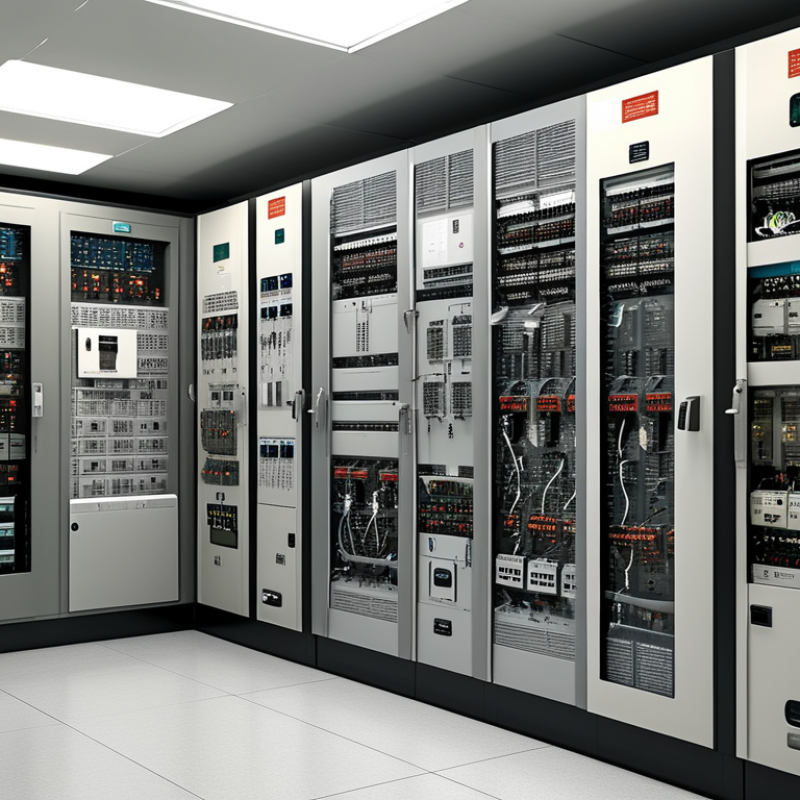
Factors to Consider When Selecting a Junction Cabinet
Choosing the right junction cabinet requires careful consideration of various factors. The cabinet's material is crucial. Steel cabinets offer durability, while fiberglass provides corrosion resistance. Think about your specific environment and make an informed choice.
Size plays a significant role. Measure the available space, ensuring it fits perfectly. An oversized cabinet can lead to instability, while a small one might not accommodate essential equipment. Confirm that there’s enough room for cable management too.
Ventilation needs shouldn't be overlooked. Inadequate airflow can cause overheating. Look for cabinets with built-in ventilation options or consider adding fans. Additionally, assess safety features such as locking mechanisms. Everyone wants peace of mind, so take time to evaluate these aspects thoroughly.
Understanding Different Types of Junction Cabinets Available
When selecting a junction cabinet, it's essential to understand the various types available. Each type serves a specific purpose and has unique features. For instance, wall-mounted cabinets are great for saving space. They are ideal for smaller installations where minimal floor space is available. However, their limited capacity can be a drawback for larger systems.
Freestanding junction cabinets offer greater flexibility. They come in different sizes and can accommodate more equipment. Their sturdiness makes them suitable for outdoor environments. Yet, one must consider the installation location. Choosing a cabinet without assessing the environment can lead to issues. If exposed to moisture or extreme temperatures, the cabinet's integrity may be compromised.
Another option is integrated junction cabinets. These combine several functionalities in one unit. They often include power distribution and control systems. This integration can streamline operations. However, the complexity may not be suitable for every project. Not all teams have the specialized knowledge to manage these systems efficiently. Reflecting on your team's skills and project needs is crucial before making a decision. Selecting the right cabinet requires careful consideration of these varied types and their implications.
Key Features to Look for in a Quality Junction Cabinet
When selecting a junction cabinet, it's crucial to consider specific features. A robust cabinet should offer solid construction materials. Look for cabinets made from durable metals or high-quality plastics. These materials will withstand environmental stress and protect your electrical components effectively.
Ventilation is another key feature. Proper airflow prevents overheating and prolongs the lifespan of your equipment. Ensure the cabinet has adequate vents or fan options. Additionally, consider the cabinet’s size. It should accommodate your equipment without being overly spacious. Too much empty space can lead to disorganization.
Security features also play a vital role. Quality junction cabinets should have reliable locking mechanisms. This ensures your equipment stays safe from tampering. Lastly, accessibility is important. Choose a cabinet design that allows easy access to components for maintenance. Reflecting on these features can lead to better long-term decisions.
Installation and Maintenance Tips for Junction Cabinets
When installing a junction cabinet, proper location is crucial. Choose dry, accessible areas for easy maintenance. Ensure there is sufficient space around the cabinet. This space is essential for airflow. Avoid tight confines that can trap heat.
Regular maintenance extends the life of your junction cabinet. Check connections frequently for corrosion. Dust and debris can accumulate, affecting performance. Clean the cabinet with a damp cloth. Schedule periodic inspections to identify issues early.
Sometimes, professionals overlook the importance of labeling wires and connections. This can lead to confusion during repairs. Take time to clearly mark each wire. A simple label can save time and headaches later. Keeping a maintenance log is also a valuable tool. Documenting repairs helps track recurring issues.
Essential Tips for Choosing the Right Junction Cabinet
Common Applications and Uses for Junction Cabinets in Various Industries
Junction cabinets are vital in many industries. They serve as protective enclosures for electrical connections and devices. Their applications range from manufacturing to telecommunications. In manufacturing, junction cabinets protect wiring from dust and moisture. They help ensure smooth operations in complex systems.
When considering junction cabinets, select one suitable for the environment. For outdoor use, cabinets must withstand extreme weather. Look for those with a high IP rating, indicating resistance to dust and water. In a telecommunications setting, choose cabinets designed to house sensitive equipment. Adequate ventilation is crucial to avoid overheating.
Don't overlook installation concerns. Proper mounting and accessibility matter. Ensure that the selected cabinet allows easy access for maintenance. Sometimes, space limitations affect installation. Consider this during your selection process. A poor choice may lead to complications later on. Balancing features and specifications requires careful thought. Make choices that fit both current and future needs to ensure reliability.