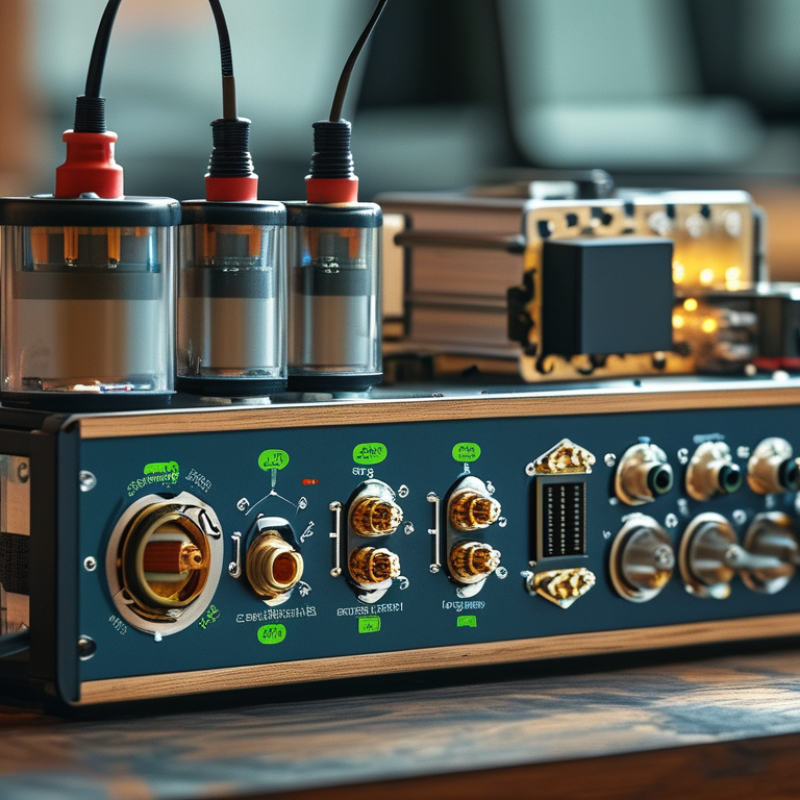
What is an Electronic Converter and How Does it Work?
An Electronic Converter plays a crucial role in modern technology. It efficiently transforms electrical energy from one form to another. This process is vital in various applications, from powering devices to managing energy in renewable systems.
Understanding how an Electronic Converter works is essential. It utilizes components like diodes, transistors, and capacitors to regulate voltage and current. These elements enhance performance and ensure reliability in devices, and that can often feel overwhelming.
When selecting an Electronic Converter, consider its efficiency ratings and application. Not all converters are created equal, and improper choices can lead to inefficiencies. A thoughtful approach will enhance device performance and energy savings. Reflecting on the selection process can lead to better technological outcomes.
What is an Electronic Converter?
An electronic converter is a device that changes electrical energy from one form to another. It plays a crucial role in modern technology. There are various types, such as AC to DC converters and DC to AC converters. Each type serves a specific purpose based on the requirements of electrical appliances. Understanding how these devices work enhances our ability to utilize and innovate with electrical systems.
These converters work by manipulating voltage and current. For example, an AC to DC converter takes alternating current and transforms it into direct current. This process involves rectification, filtering, and regulation. While this sounds straightforward, the actual designs can be complex and require precision. Challenges may arise, like heat dissipation and efficiency losses. Recognizing these issues is vital for both users and engineers.
Intricacies within a converter's design can lead to performance variability. Some systems may not perform as expected under certain conditions. This unpredictability poses questions about reliability and maintenance. Engineers must continually evaluate and refine these devices. By addressing limitations, future improvements can be made. This ongoing process of enhancement exemplifies the dynamic nature of technology.
The Functionality of Electronic Converters
Electronic converters play a pivotal role in modern technology. Their primary function is to change electrical energy from one form to another. This process allows for efficient power management and compatibility between different electronic systems. The demand for electronic converters is on the rise, with markets projected to grow significantly, driven by renewable energy adoption. A recent report estimates that the global power electronics market could reach $45 billion by 2026.
Understanding the functionality of these converters is crucial for engineers and consumers alike. They work by modifying voltage levels, current types, or frequency. For instance, AC-DC converters are essential in charging batteries or powering devices. Meanwhile, DC-DC converters can optimize energy levels in portable devices. These conversions ensure that systems operate effectively and sustainably. However, inefficiencies can occur. Overheating and energy loss are common issues that require careful design considerations.
Tips for choosing the right converter include evaluating your specific needs and assessing efficiency ratings. Compatibility with your equipment is vital. Additionally, considering thermal management can prevent overheating issues. Always consult reputable resources or industry reports to make informed decisions about your electronic converter options.
Types of Electronic Converters and Their Applications
Electronic converters play a crucial role in modern technology, enabling varying applications across industries. There are several types of electronic converters, each having distinct functions. Among these, DC-DC converters are prevalent, allowing voltage level adjustments in power supplies. A report by Grand View Research indicates that the DC-DC converter market is expected to reach $25 billion by 2026, underscoring its significance.
AC-DC converters are equally vital, converting alternating current to direct current. They are widely used in electronic devices, from mobile chargers to LED lighting. The global demand for AC-DC converters is projected to grow significantly, driven by the surge in renewable energy. However, many users overlook the importance of efficiency ratings in these converters. The industry standard suggests that converters should achieve at least 85% efficiency.
Another noteworthy type is DC-AC converters, known as inverters. They allow for solar energy integration by converting DC from solar panels to AC, suitable for home use. According to the International Energy Agency, the installation of solar inverters has risen by 22% annually. This growth highlights the shift toward sustainable energy solutions. Yet, the compatibility issues between devices and inverters often remain under-discussed, and require careful consideration by consumers.
Key Components of Electronic Converters
Electronic converters are vital in modern electrical systems. They convert power from one form to another, ensuring efficiency and reliability. Understanding their key components is essential for anyone working in electrical engineering or related fields.
One of the critical components of electronic converters is the power semiconductor device. These devices, like MOSFETs and IGBTs, handle high voltage and current levels. According to a report from the International Energy Agency, the adoption of these devices has increased by over 30% in renewable energy applications. This growth showcases their role in enhancing energy efficiency. However, they can be sensitive to temperature and need careful thermal management.
Another essential part is the control circuit. This circuit ensures that the converter operates within its desired parameters. Inefficient control can lead to performance issues. Studies indicate that up to 15% of efficiency loss occurs due to poor control strategies. Implementing advanced algorithms and feedback control can significantly improve converter performance. Yet, many systems still rely on outdated control methods, which can hinder advancements in energy conversion technology.
Key Components of Electronic Converters
The Advantages and Disadvantages of Using Electronic Converters
Electronic converters play a crucial role in modern technology. They change electrical signals into different forms to enhance efficiency. However, using these converters comes with both advantages and disadvantages.
One key advantage is their ability to improve energy efficiency. According to a report from the International Energy Agency, electronic converters can reduce energy losses by up to 25%. This efficiency is important for industries where energy costs are high. They also enable devices to operate on different voltage levels, making them versatile. However, there is a catch. The initial cost of installation and the complexity of some converters can be a barrier. Maintenance is another issue. Many users find that electronic converters require more upkeep than traditional systems.
Another downside is the dependency on electronic components, which can introduce reliability concerns. A study from the Institute of Electrical and Electronics Engineers found that around 15% of electronic converters report failures within the first two years. This raises questions about long-term reliability. Users must weigh these factors carefully when considering electronic converters for their applications.