
Connect with us today to learn more about our industrial automation solutions—and how to commission them for your application.
What is an Electric Screwdriver and How to Choose One?
An electric screwdriver is an essential tool for both DIY enthusiasts and professionals. This handy device makes tasks like assembling furniture or installing fixtures much easier. With various models available, knowing how to choose the right electric screwdriver is crucial.
When selecting an electric screwdriver, consider factors like battery life, torque settings, and ergonomics. A lightweight design enhances comfort during extended use. Many models offer adjustable speed settings, allowing for precision in different tasks. However, it's easy to feel overwhelmed by the options.
The importance of a reliable electric screwdriver cannot be understated. A poor choice can lead to frustration and ineffective results. Ultimately, understanding your specific needs will guide you in making a more informed decision.
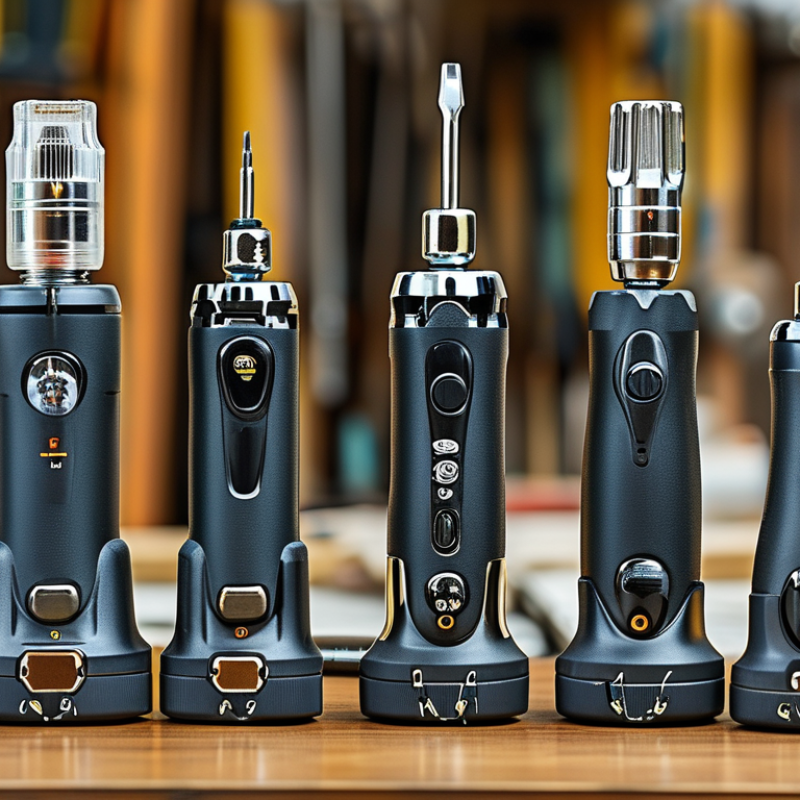
What is an Electric Screwdriver?
An electric screwdriver is a versatile tool designed to drive screws quickly and efficiently. Unlike manual screwdrivers, these powered devices reduce the effort required for various tasks, making them essential for both professionals and DIY enthusiasts. The electric screwdriver typically features a rotating bit that engages with screws, allowing for faster assembly or disassembly of materials. The ease of use is a significant advantage, especially during extensive projects where repetitive motions can be tiring.
Choosing the right electric screwdriver depends on several factors. First, consider the torque settings. Different materials require varying levels of torque to avoid stripping screws or damaging surfaces. Additionally, look for features like variable speed control. This enables more precision, particularly in delicate applications. A compact, lightweight design improves maneuverability, especially in tight spaces. However, one might overlook the importance of battery life. Short-lived batteries can interrupt workflow significantly.
Reflect on your specific needs before purchasing. While it’s easy to be swayed by advertised capabilities, the practical aspects should take precedence. It’s often tempting to choose the most powerful model available, but that might not be necessary for your tasks. Take the time to evaluate what you’ll frequently work on. This investment will pay off when you find the right balance of power, weight, and functionality tailored to your projects.
Key Components of an Electric Screwdriver
When selecting an electric screwdriver, key components play a vital role. The motor is the heart of the tool. It determines the torque and speed. A powerful motor allows for efficient driving in tough materials. A weak motor might struggle, causing frustration during projects.
Another important aspect is the battery. Lithium-ion batteries are common for their long lifespan and quick charging. Consider the battery's capacity. A higher capacity means longer work periods without recharging. However, this can also increase the tool's weight, something to keep in mind.
The chuck type is significant too. Keyless chucks allow for easier bit changes. Some users prefer magnetic chucks for quick access, though they can sometimes drop bits inadvertently. Remember, the design also matters. A comfortable grip can enhance safety and reduce hand fatigue during extended use. Not every design fits every hand, so trying a few options is beneficial. Each feature impacts usability and efficiency, making thoughtful selection crucial.
Electric Screwdriver Torque Comparison
Benefits of Using an Electric Screwdriver
Electric screwdrivers have gained popularity for various reasons. They simplify tasks that would otherwise require more effort and time. With a powerful motor, these tools can drive screws quickly, reducing fatigue during longer projects. Many users notice that they complete their tasks faster, which is a significant benefit for both DIY enthusiasts and professionals.
Using an electric screwdriver can improve precision and consistency. The adjustable torque settings allow for better control, preventing over-tightening. This feature can save materials and ensure that screws are seated properly. However, beginners might struggle with the correct settings initially, leading to mistakes. It’s essential to practice to fully utilize the tool’s capabilities.
Another advantage is versatility. Electric screwdrivers can work on different materials with appropriate bits. People often overlook this benefit, selecting their tools without considering various applications. Yet, not all electric screwdrivers can handle tough tasks. Some may lack the necessary power, particularly for dense materials. Users should carefully evaluate their needs to avoid disappointment.
Factors to Consider When Choosing an Electric Screwdriver
When selecting an electric screwdriver, several key factors come into play. One crucial aspect is the power source. Cordless models offer convenience and portability. They allow you to work in tight spaces and away from outlets. However, they may require frequent charging and might not deliver the same power as corded versions. Consider your typical projects to choose the best type for your needs.
Another important factor is torque settings. Electric screwdrivers with adjustable torque can prevent overdriving screws. This feature is particularly useful when working with delicate materials. Not all models offer the same range of settings, so review specifications carefully. This can save you from damaging your workpieces.
Tips: Look for ergonomic design. A comfortable grip reduces hand fatigue during long tasks. Weight matters too; a lighter tool may improve maneuverability. Don’t overlook accessories. Extra bits and attachments can enhance versatility. Remember, investing time in research leads to smarter purchases. Balancing features against your budget helps in making a well-informed decision.
What is an Electric Screwdriver and How to Choose One? - Factors to Consider When Choosing an Electric Screwdriver
| Feature | Description | Importance |
|---|---|---|
| Power Source | Battery-operated or corded options | Affects portability and usage duration |
| Torque Settings | Adjustable torque for different screw sizes | Prevents damage to screws and materials |
| Speed Control | Variable speed options for precision work | Enhances control and effectiveness |
| Weight | Lightweight for ease of use | Improves user comfort during long tasks |
| Chuck Size | Size of the chuck affects compatibility with bits | Important for versatility in tasks |
| Battery Life | Duration of use on a single charge | Critical for uninterrupted work |
| Ergonomics | Handle design for comfort and grip | Reduces strain and improves handling |
| Price Range | Varies based on features and quality | Determines budget options |
Top Brands and Models in the Electric Screwdriver Market
Electric screwdrivers are essential tools for both professionals and DIY enthusiasts. The market presents a variety of brands and models. According to industry reports, the electric screwdriver market is projected to grow at a CAGR of 4.8% from 2022 to 2028. This growth reflects the increasing demand for efficient and ergonomic tools.
When choosing an electric screwdriver, consider power and torque. A model with adjustable torque settings can help prevent damaging screws. Battery life is another critical factor. Many users have reported frustration with short battery durations. Professionals often prefer models with lithium-ion batteries for their longevity.
Tips: Look for screwdrivers with an LED light. It enhances visibility in dim areas. Check user reviews for insights on real-life performance. Some users may appreciate a lightweight design, while others prioritize grip comfort. Reflect on your own needs to find the best match.