What is Custom Sheet Metal and How Can It Benefit Your Business?
Custom Sheet Metal plays a vital role in various industries. It offers flexibility and precision, making it an attractive option for businesses. Many companies have embraced custom sheet metal to enhance their operations. When tailored to specific needs, it can improve both function and aesthetics.
The ability to design custom sheet metal shapes can lead to innovative solutions. For example, unique enclosures can protect sensitive equipment. Additionally, businesses can reduce waste by optimizing material use. However, selecting the right vendor is crucial. Understanding their expertise can dramatically impact the final product's quality.
Not all custom sheet metal services are equal. Some may promise quick turnarounds but lack experience. This can lead to costly mistakes. Therefore, evaluating providers carefully is essential. By choosing a reliable partner, businesses can harness the full potential of custom sheet metal to drive growth and efficiency.
What is Custom Sheet Metal: Definition and Overview
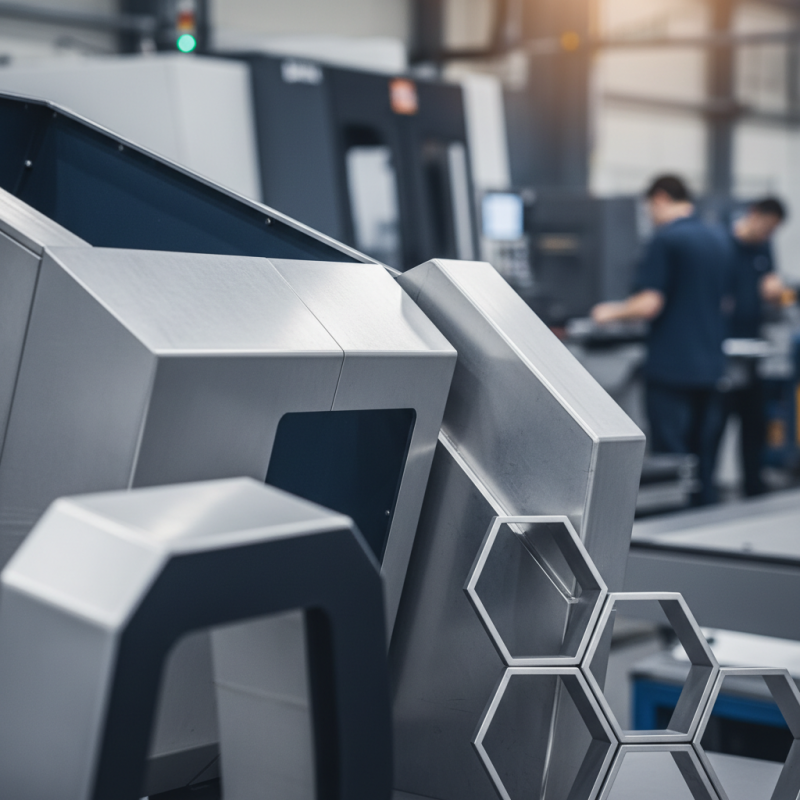
Custom sheet metal refers to metal products made to specific measurements and designs. This process allows for tailored solutions that meet unique needs across various industries. By choosing custom sheet metal, businesses can achieve a high level of precision in their components. This precision is essential for industries like automotive, aerospace, and manufacturing.
The versatility of custom sheet metal is noteworthy. It can be formed into various shapes, including brackets, enclosures, and housing. Each piece serves a distinct purpose, catering to specific project requirements. It's common for businesses to face challenges with standard parts, which may not fit as intended. This can lead to delays and increased costs. Custom sheet metal offers a solution by providing a perfect match for every application.
Selecting the right material is crucial. Options range from aluminum to stainless steel, each with unique properties. A great deal of knowledge is required to make these decisions. Manufacturers often overlook this aspect, leading to subpar outcomes. Understanding these materials and processes can help avoid pitfalls. Investing time in research may yield significant rewards in efficiency and effectiveness.
Custom sheet metal can enhance your product's quality and reliability.
Key Materials Used in Custom Sheet Metal Fabrication
Custom sheet metal fabrication relies on various key materials, each offering unique benefits. Steel is a common choice due to its strength and durability. Stainless steel, with its corrosion resistance, is ideal for environments exposed to moisture. Aluminum is lightweight and easy to work with, making it suitable for applications needing reduced weight without sacrificing strength.
Copper is another valuable material. Its high conductivity makes it perfect for electrical applications. However, it can be more expensive, which poses a consideration for budget-conscious projects. Brass, known for aesthetic appeal, provides good corrosion resistance but can be tricky to fabricate compared to other metals. Each material has its ideal usage scenarios, raising questions about selection criteria based on specific project requirements.
Many businesses become overwhelmed by material choices. It can lead to subpar outcomes if decisions aren't made thoughtfully. Understanding the properties of each material can guide businesses towards more effective results. Balancing cost, functionality, and design is crucial. The right choice can propel a project forward, while the wrong one may lead to delays and complications.
Advantages of Custom Sheet Metal for Various Industries
Custom sheet metal offers significant advantages across various industries. One key benefit is its versatility. Companies can create parts with complex shapes tailored to specific applications. According to a study by the Fabricators and Manufacturers Association, 75% of manufacturers reported enhanced operational efficiency using custom sheet metal components. This suggests that businesses can streamline production processes effectively.
In sectors like aerospace and automotive, precision is crucial. Custom sheet metal allows for lightweight yet durable components, improving fuel efficiency and performance. Research from the International Journal of Advanced Manufacturing Technology indicates that lightweight materials can reduce energy consumption by up to 30%. This not only supports sustainability goals but also enhances product lifespan.
Customization also enhances aesthetic values. This is particularly important in architecture and consumer goods. First impressions matter. A unique design can set a product apart in a competitive market. However, investing in custom sheet metal can be challenging for small businesses due to cost. Careful planning and consultation with experts can help navigate potential pitfalls and ensure quality outcomes. Balancing cost and quality is essential; finding the right supplier can make all the difference.
What is Custom Sheet Metal and How Can It Benefit Your Business? - Advantages of Custom Sheet Metal for Various Industries
| Industry | Benefits of Custom Sheet Metal | Common Applications |
| Automotive | Lightweight design, improved durability, cost-effective mass production | Body panels, brackets, frames |
| Aerospace | Enhanced strength-to-weight ratio, corrosion resistance | Engine components, fuselage parts, wing structures |
| Construction | Custom designs for specific requirements, aesthetic flexibility | Roofing, facades, staircases |
| Electronics | Precision engineering, heat dissipation | Housings, brackets, components |
| Manufacturing | Streamlined production, customizable sizes | Tooling, machinery frames, protective guards |
| Food Processing | Hygienic designs, ease of cleaning | Conveyor systems, storage tanks, custom food machinery |
Common Applications and Uses of Custom Sheet Metal Products
Custom sheet metal products have a wide range of applications in various industries. One common use is for creating custom enclosures. These enclosures protect electronic devices, machinery, and tools. They can be tailored to specific dimensions, ensuring a perfect fit for any application. This level of customization can significantly enhance durability and functionality.
Another application is in the automotive sector. Custom sheet metal components can improve vehicle design and performance. Parts such as brackets, mounting plates, and even body panels can be crafted to meet precise specifications. This allows for better integration of parts and an overall boost to vehicle efficiency.
In construction and architecture, custom sheet metal elements are also essential. They are often used for roofing, siding, and decorative features. The versatility of sheet metal allows for artistic designs while maintaining structural integrity. However, sourcing high-quality materials and skilled craftsmen remains a challenge. It’s essential to research and select partners who prioritize quality and precision in their work.
Benefits of Custom Sheet Metal in Various Industries
How to Choose the Right Custom Sheet Metal Supplier for Your Needs
Choosing the right custom sheet metal supplier is crucial for your business. A good supplier will understand your unique requirements and deliver quality products. Start by assessing their experience in the industry. An established supplier often has a proven track record. Look for customer testimonials or case studies that highlight their work.
Tip: Always check their certifications. A reliable supplier should comply with industry standards. This ensures the durability and quality of the materials.
Communication matters too. The best suppliers are responsive and clear. They should be willing to discuss your project in detail. This openness indicates their commitment to meeting your needs. If they are vague or hesitant, it’s a red flag.
Tip: Ask for samples. Validating the quality of materials through samples can save you from future issues. It helps you gauge the supplier's reliability.
Consider the technology they use. Advanced manufacturing processes lead to better precision and efficiency. If a supplier relies on outdated equipment, it may affect your project’s outcome. Regularly revisiting your supplier choices can unveil better options. Stay informed about industry trends and new suppliers emerging in the market.