What is Cold Rolled Coil and How is it Sourced Globally?
cold rolled coil is a key material in various industries, including automotive and construction. In 2022, the global cold rolled steel market was valued at approximately $300 billion, reflecting its significance. Understanding how cold rolled coil is sourced globally is essential for manufacturers. They rely on this material for its smooth surface and precise dimensions.
Asia-Pacific is the largest market for cold rolled coil, driven by countries like China and India. Reports indicate that China alone accounts for over 40% of the world’s production. However, sourcing cold rolled coil can pose challenges. Fluctuating raw material prices and international trade policies impact availability.
Not all suppliers adhere to the same quality standards. This can lead to inconsistencies. Manufacturers must critically evaluate sourcing options to ensure reliability. As the industry evolves, there are opportunities for improvement in sustainability and product quality. Exploring these trends provides insights into the future of cold rolled coil sourcing.
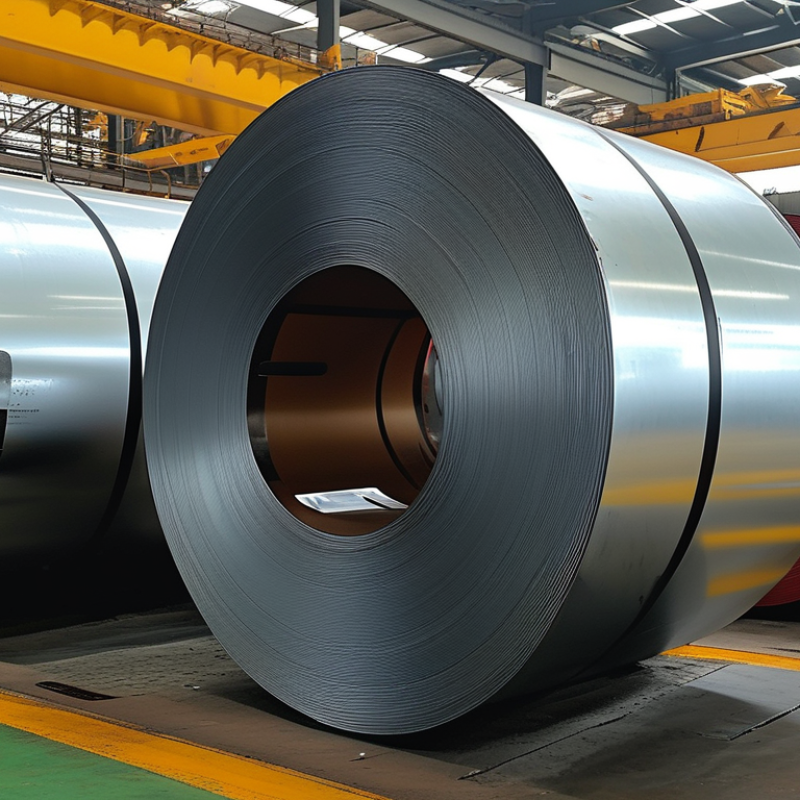
Definition and Characteristics of Cold Rolled Coil
Cold rolled coil (CRC) is a type of steel product that has been processed at room temperature. This process enhances the steel's strength and surface finish. CRC is characterized by its smooth surface, precise dimensions, and excellent formability. The cooling process allows for a more uniform thickness and reduces the likelihood of defects. This is essential for applications in construction and manufacturing.
The sourcing of cold rolled coil is a global endeavor. Different countries have unique methods and suppliers. Many regions rely on iron ore and scrap metal as primary raw materials. Sourcing practices can vary, leading to inconsistencies in quality. For instance, some manufacturers might use recycled materials, while others prioritize virgin steel. These choices impact the final product's properties.
However, the global supply chain is not without challenges. Transportation issues can lead to delays. Fluctuations in raw material prices also affect production costs. Quality control is paramount, as even minor imperfections can compromise the entire batch. Understanding the complexities of sourcing CRC is crucial for manufacturers and consumers alike.
The Cold Rolling Process: Techniques and Equipment Used
The cold rolling process involves reducing the thickness of metal sheets and strips at room temperature. This technique enhances the material's strength and improves its surface finish. Rollers do the heavy lifting in cold rolling, with powerful machinery applying significant pressure to the metal. Precision in this stage is critical. Minor misalignments can lead to defects.
Several methods are employed in cold rolling. Single-pass rolling is straightforward, passing metal through the rollers just once. Multi-pass rolling, on the other hand, can refine the metal further. Each pass has to be carefully calibrated to ensure consistency. Equipment such as hydraulic presses or automated feed systems streamlines the process, making it efficient.
While this process seems efficient, it has its challenges. Maintaining equipment can be demanding. Downtime needed for repairs can impact production. Also, variations in input material can complicate the consistency of the final product. Each of these elements requires careful monitoring and adjustment. Balancing efficiency with quality is a continuous pursuit in the cold rolling industry.
Global Sourcing: Key Suppliers and Regions for Cold Rolled Coil
Cold rolled coil (CRC) is a crucial material in numerous industries, particularly in manufacturing and construction. When sourcing CRC globally, several key suppliers and regions come to the forefront. Data from the World Steel Association indicates that the top producers of cold rolled steel include countries like China, Japan, and South Korea, which dominate the market. This concentration of production presents both opportunities and challenges for global sourcing.
China's production accounts for nearly 50% of the world's cold rolled steel supply, driven by advanced manufacturing techniques and vast resources. However, reliance on such concentrated sources poses risks. Political tensions and trade policies can affect availability and pricing. Additionally, it’s essential to consider the implications of quality control. Not all suppliers adhere to the same standards, which can lead to inconsistencies in the final product.
In North America, there is a growing trend towards sourcing CRC domestically. This shift aims to counteract supply chain vulnerabilities highlighted by recent events. According to research from the Mines and Metals report, imports in North America have seen a decline, with an emphasis on local sourcing. Overall, the landscape for CRC sourcing is dynamic, marked by regional strengths and varying quality standards.
Market Trends and Demand for Cold Rolled Coil Worldwide
Cold rolled coil (CRC) is a key product in the metal industry, widely used in various applications like automotive, construction, and manufacturing. Demand for CRC is on the rise globally. Reports indicate that the worldwide market for cold rolled steel is projected to reach USD 300 billion by 2030. This growth is driven by advancements in technology and an increase in infrastructure projects.
Several factors influence the demand for cold rolled coil. The automotive sector is a significant contributor, where lightweight materials are in high demand to enhance fuel efficiency. In regions like Asia-Pacific, urbanization has spurred demand for CRC in construction as well. A recent study revealed that CRC imports surged by 15% in the last year alone, emphasizing the importance of global sourcing.
Tips: Consider using CRC for projects that require strength and durability. Research suppliers that focus on sustainability. Investing in quality materials can greatly enhance the end product's lifespan.
However, sourcing CRC is not without challenges. Fluctuating raw material prices pose risks to manufacturers. Additionally, geopolitical factors can disrupt supply chains. Ensuring a consistent supply of quality CRC requires strategic planning and risk management. Firms must be aware of these challenges when navigating the global market. Adaptability and foresight are crucial.
Applications of Cold Rolled Coil in Various Industries
Cold rolled coil (CRC) plays a vital role in numerous industries. Primarily, it is used in the automotive sector. Car manufacturers rely on CRC for producing components like body panels and chassis. The smooth finish and uniform thickness enhance aesthetic appeal and structural integrity. CRC is also crucial in electronics. Companies use it for creating parts in consumer devices, improving their durability.
In construction, cold rolled coil finds its place in various applications. Building frames, roofing, and HVAC systems utilize CRC due to its strength and ability to resist corrosion. The construction industry appreciates its versatility. However, sourcing CRC globally can sometimes lead to inconsistencies in quality. Different suppliers may have varying standards in production, leading to potential challenges in material properties.
Furthermore, the environmental impact of CRC production requires attention. The processes involved often generate waste and emissions. Companies must reflect on their sourcing methods and seek sustainable practices. Collaboration with reputable suppliers can mitigate risks. While CRC is essential, its sourcing journey should be approached with care and responsibility.