| 1 | Global copper mine supply | Approximately 22.0 million metric tons of mined copper were produced globally in 2023. | Use global mine supply as a demand-context indicator. A supplier should explain how its recycled-copper supply reduces dependence on primary mining rather than merely claiming large inventory. | U.S. Geological Survey, Mineral Commodity Summaries 2024 |
| 2 | China mined copper output | China’s mined copper production was approximately 1.70 million metric tons in 2023. | China’s domestic mine supply is much smaller than its refined-copper demand. Verify whether a supplier relies on documented domestic collection, imported recyclable raw materials, or a combination of both. | U.S. Geological Survey, Mineral Commodity Summaries 2024 |
| 3 | Global refined copper production | Global refined copper production reached approximately 26.5 million metric tons in 2023. | A credible supplier should provide a stable supply plan, monthly availability, loading capacity, and historical shipment records instead of relying only on spot-market quotations. | U.S. Geological Survey, Mineral Commodity Summaries 2024 |
| 4 | China refined copper output | China produced approximately 12.99 million metric tons of refined copper in 2023, according to national industrial statistics. | Prioritize suppliers that can show consistent feedstock access and processing capacity. Ask for production records, warehouse evidence, and shipment history covering at least the previous 12 months. | National Bureau of Statistics of China |
| 5 | Importance of secondary copper | Recycled copper contributes roughly one-third of total copper supply globally, although the percentage varies by year, region, and calculation method. | Choose suppliers that can distinguish post-consumer cable scrap, production offcuts, and mixed copper-bearing material. Material origin should be traceable through collection, sorting, and shipment records. | International Copper Association, Copper Recycling Information |
| 6 | Customs classification | Copper waste and scrap are generally classified under HS 7404 in international customs nomenclature. | Require the supplier to state the HS code, product description, customs documents, packing list, and commercial invoice consistently. Differences between the declared product and the physical cargo are a major compliance risk. | World Customs Organization, Harmonized System |
| 7 | Copper recovery calculation | Recoverable copper value should be calculated from shipment weight × laboratory copper assay × expected recovery rate, after deducting moisture, non-metallic material, and processing loss. | Ask for an independent assay or mutually agreed inspection procedure. Compare the supplier’s declared copper content with pre-shipment and arrival-test results before approving regular orders. | ISO 15579, Copper and copper alloys: Determination of copper content |
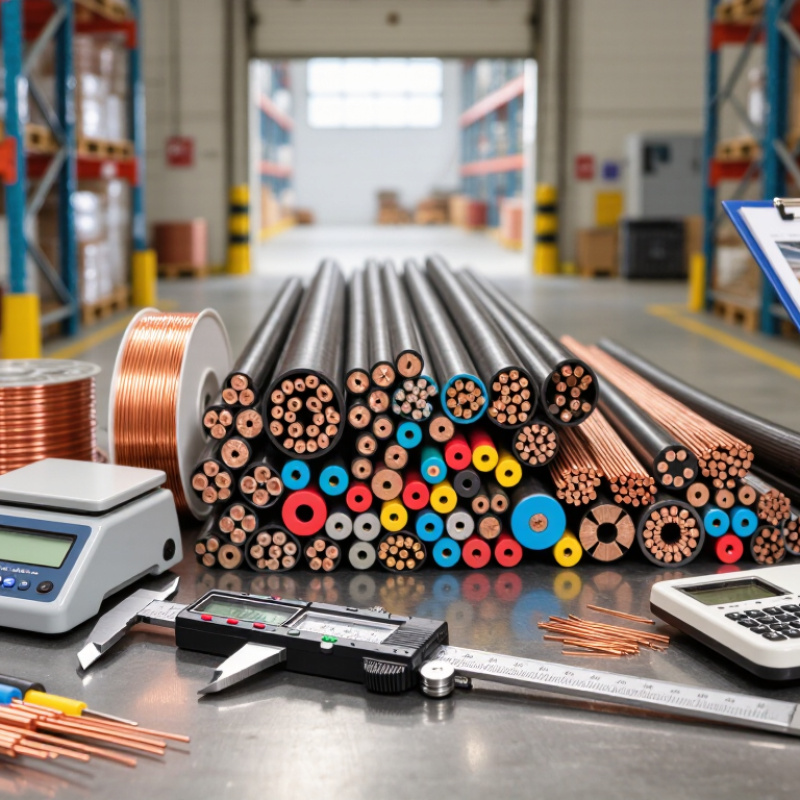
| 8 | Cable sorting quality | Copper cable scrap should be separated by insulation type, conductor form, alloy contamination, oil or chemical contamination, and visible non-metallic content. | A strong supplier should provide representative photographs, packing specifications, contamination limits, and a clear rejection or price-adjustment clause for off-grade material. | Recycling Industry Operating Standards and Commodity Specifications |
| 9 | Electrical conductor verification | IEC 60228 defines conductor classes and requirements for conductors used in insulated cables and flexible cords; cable scrap should not be valued solely by external appearance. | For high-value cable lots, request conductor diameter, construction type, insulation description, and laboratory confirmation of copper content. Do not treat copper-clad aluminum or mixed-metal cable as pure copper cable. | IEC 60228, Conductors of Insulated Cables |
| 10 | Environmental and legal compliance | China has tightened controls on imported solid waste and requires imported recyclable raw materials to comply with applicable quality and environmental requirements. | Before purchasing, verify the supplier’s legal entity, export authorization where applicable, waste-handling records, environmental documentation, cargo photographs, and compliance with the destination country’s import rules. | Ministry of Ecology and Environment of China |