How to Choose the Right Mechanical Bolt for Your Project?
When embarking on a project that requires durable fastening solutions, choosing the right Mechanical Bolt is crucial. Mechanical bolts come in various types, sizes, and materials, each designed for specific applications. Understanding these differences can enhance project reliability and performance.
However, selecting the appropriate mechanical bolt is not always straightforward. Many factors influence this choice, including load requirements, environmental conditions, and the materials being joined. A wrong bolt can lead to project failure, necessitating careful consideration and expert guidance.
Engineers and builders often overlook the importance of proper bolt selection. This can result in costly delays and safety issues down the line. With the right knowledge, however, these pitfalls can be avoided. By understanding the characteristics of mechanical bolts, you can ensure a secure and successful project outcome.
Understanding the Different Types of Mechanical Bolts Available
When selecting a mechanical bolt, it's crucial to comprehend the different types available on the market. Each bolt serves specific purposes, influenced by factors like load requirements, environmental conditions, and material compatibility. According to industry reports from the American Institute of Steel Construction, over 30% of all mechanical fastener failures arise from improper bolt selection. This underscores the importance of understanding bolt types before making a decision.
Common types include:
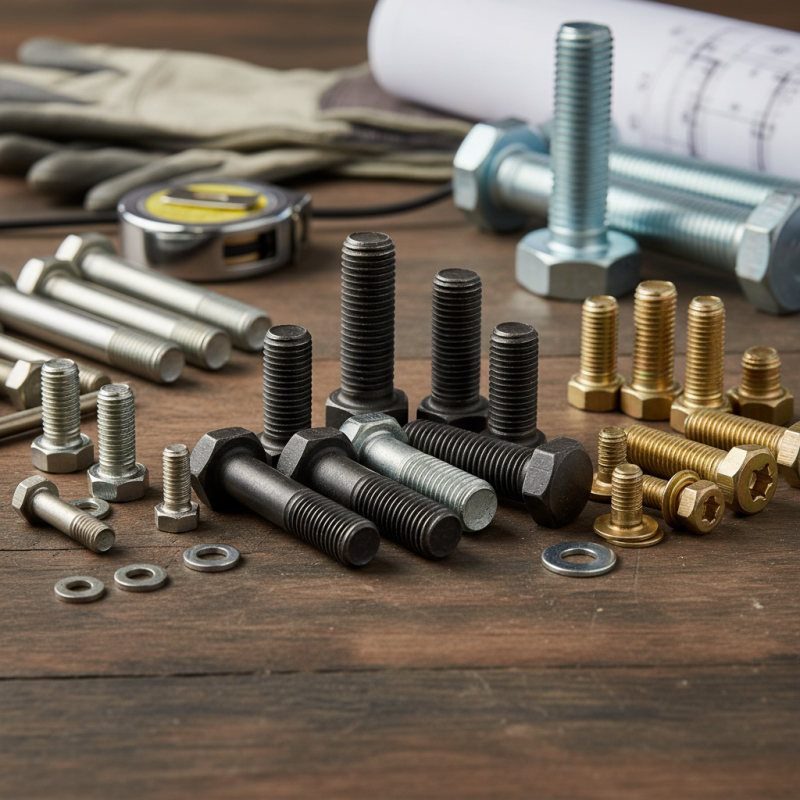
- Hex bolts: provide excellent tensile strength and are frequently used in construction.
- Lag bolts: ideal for heavy wood applications.
- Eye bolts: offer versatile attachment points for lifting.
Knowing these distinctions can prevent costly mistakes.
Tips: Always consider the load capacity of the bolt. Use reliable materials that match the project needs. Cross-reference the specifications with industry standards to ensure quality.
Manufacturing quality and standards also play a vital role in bolt performance. Reports indicate that bolts failing to meet
ASTM specifications account for significant failures in structural applications. This highlights the need for thorough vetting of suppliers. Conducting routine maintenance and inspections can prevent premature failure.
Key Factors to Consider When Selecting a Mechanical Bolt
Choosing the right mechanical bolt is crucial for any project. Several key factors can significantly influence your selection. Material, for instance, plays a vital role. Stainless steel offers corrosion resistance, while carbon steel is tougher under load. Consider the environment where the bolt will be used; harsh conditions may demand specific materials.
Next, think about the size and grade of the bolt. Ensuring the bolt can withstand the forces it will encounter is essential. It's not just about fitting into the hole. The head type and thread design can greatly impact installation and performance. A poorly chosen head could lead to stripping or inadequate torque application.
Lastly, don't overlook quality standards. Look for bolts that meet recognized specifications. Often, this is where the expertise of manufacturers can guide you. Relying solely on generic advice may lead to mistakes. Understanding your unique project needs is vital. Reflect on past experiences where improper selections led to failures. Every decision can make a difference in your project's success.
How to Choose the Right Mechanical Bolt for Your Project?
Analyzing Load Requirements and Working Conditions for Bolts
When selecting the appropriate mechanical bolt for your project, load requirements are key. According to the American Society for Testing and Materials (ASTM), bolts must withstand specific tensile and shear loads. Understanding the maximum load that a bolt will encounter is crucial to ensure safety and durability.
Different environments impact bolt performance. For instance, exposure to moisture or chemicals can cause corrosion, weakening the fastener's strength. The National Mechanical Engineering Institute reports that nearly 50% of failures stem from inadequate environmental consideration. Using stainless steel or coated bolts can offer protection against harsh conditions.
Tip: Always assess the load type—static or dynamic—when choosing bolts. Static loads are generally easier to manage than dynamic ones, which fluctuate over time.
The size and thread type also influence load capacity. Coarse threads are often better for assembly speed but may have less holding power in softer materials. The Engineering Toolbox suggests reviewing thread specifications alongside the application to prevent unexpected failures.
Tip: Consider performing mock tests or simulations in early stages. This approach can reveal weaknesses in your chosen bolts before full-scale implementation.
Material Selection for Mechanical Bolts: Pros and Cons
When selecting mechanical bolts, material choice is critical. Different materials bring unique advantages and disadvantages. Steel bolts, for instance, are known for their strength and durability, making them suitable for high-load applications. However, they can be susceptible to corrosion if not properly treated. Stainless steel bolts resist rust, but they may not hold as much weight as their carbon steel counterparts.
Aluminum bolts are lightweight, which is beneficial in applications where reducing overall weight is essential. Yet, their lower tensile strength might limit their usage in critical structures. Polymeric bolts present an interesting alternative, offering resistance to chemicals and temperature fluctuations. Despite their non-metallic nature, they can break easily under high stress.
Tips: Consider the environment where the bolts will be used. For outdoor applications, prioritize materials that resist corrosion. Conduct a load analysis to ensure the selected material meets or exceeds the requirements.
Remember that cost isn't everything. Cheaper materials may lead to higher failure rates. According to a recent industry report, approximately 30% of mechanical failures are attributed to inappropriate material selection. Always weigh initial cost against potential long-term implications. Think carefully about how your choice affects the overall project integrity.
Compatibility with Other Fasteners and Assembly Techniques
When selecting a mechanical bolt, it's crucial to consider how it interacts with other fasteners. Compatibility is not merely a checkbox; it can greatly affect the assembly's strength and longevity. For instance, using a bolt made of a different material than surrounding fasteners can lead to galvanic corrosion. Always match materials to prevent unexpected failures, especially in critical applications.
Additionally, think about your assembly techniques. Some bolts require specific tools or methods for installation. For example, if you're using a torque wrench, check that the bolt can handle the required torque without stripping. The assembly process must align with the bolt's design to avoid mistakes. Misalignment can be costly, both in time and resources.
Reflecting on these considerations can be challenging. It's easy to overlook the nuances of compatibility, especially under tight deadlines. However, taking time to ensure all components work together pays off in robust results. A harmonious assembly strengthens the entire project, highlighting the importance of thoughtful selection in mechanical bolts.