How to Choose the Best Compact Wheel Loader for Your Needs?
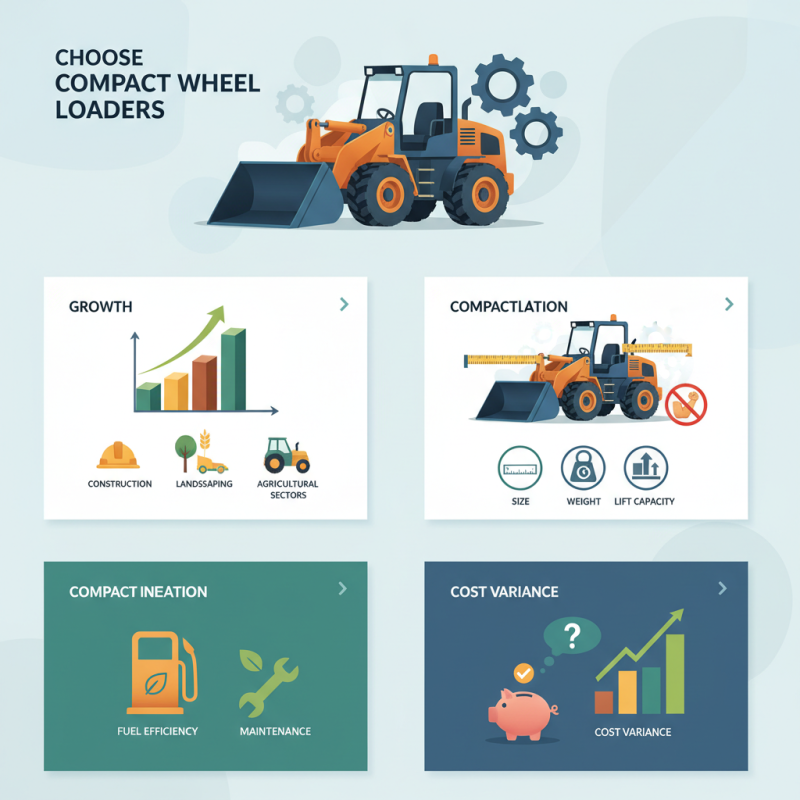
Choosing the right Compact Wheel Loader can significantly impact your productivity. According to recent industry reports, the global compact wheel loader market is expected to grow at a CAGR of 6.2% through 2030. This growth is driven by increasing demand in construction, landscaping, and agricultural sectors.
When selecting a Compact Wheel Loader, consider the machine's size, weight, and lift capacity. Ensure that it aligns with your specific tasks. Compact models are versatile but may have limitations in power and reach. Potential buyers should be aware that not all models are suitable for every application. Performance differences can lead to inefficient operations.
Moreover, operational costs should be factored in. Maintenance and fuel efficiency are essential. Statistics suggest that operating costs can vary by up to 15% among different brands. This variance highlights the importance of thorough research before making a purchase. Reflect on the long-term implications of your choice. Is the initial investment worth the benefits? Choosing wisely can enhance operational efficiency and reduce downtime.
Understanding the Role of Compact Wheel Loaders in Various Industries
Compact wheel loaders play a crucial role in several industries. They are versatile machines often used in construction, landscaping, and agriculture. These loaders are designed to maneuver in tight spaces where larger vehicles cannot operate efficiently. Their size allows for enhanced productivity in smaller job sites.
In the construction industry, compact wheel loaders assist in material handling and site preparation. They can quickly move dirt, gravel, and debris. This can save time and increase efficiency. However, they may lack the power for heavy-duty tasks. Operators need to assess if the machine meets their needs or if a more robust option is necessary.
Landscaping projects benefit greatly from compact loaders. They effectively manage soil, rocks, and other materials. Yet, selecting the right attachments is crucial for optimal performance. In agriculture, these machines help with loading feed, cleaning barns, and maintaining roads. Farmers must consider the loader’s lift capacity against their specific demands. The choices can be overwhelming; reflection on project needs is essential before making a decision.
Key Features to Look for in a Compact Wheel Loader
When selecting a compact wheel loader, consider several key features. The size of the machine is crucial. A compact model should fit well in tight spaces but still offer enough power for tasks. Pay attention to the operating weight. It determines stability and lifting capacity, which can vary greatly between models. Opt for one with a good turning radius. This helps maneuverability, especially in congested areas.
Hydraulic system performance is another critical aspect. Look for loaders with strong hydraulic power for efficient operation. The bucket lift height matters, too; it should match your typical job requirements. Additionally, examine the attachment compatibility. A versatile machine can use various attachments, making it adaptable to different tasks. Some models may not support all attachments. This limitation can affect overall productivity.
Lastly, consider the operator's comfort and visibility. An ergonomic design contributes to long working hours. Good visibility enhances safety, ensuring better performance. If the controls feel awkward, it might hinder operation efficiency. Evaluating these factors carefully can lead to a successful purchase.
Assessing Your Project Requirements and Preferred Specifications
When selecting a compact wheel loader, understanding your project's requirements is key. Consider the types of tasks you'll tackle. Will you lift heavy materials or navigate tight spaces? Determining these needs will guide your choice.
Tips: Prioritize versatility. A machine capable of different tasks can save time and costs. Assess the weight and lifting capacity. An underpowered loader won't meet your project demands.
Next, think about size. Compact loaders should fit your workspace. Measure doorways, pathways, and site conditions. A machine that’s too big can cause damage. Reflections on your job site help prevent future regrets.
Tips: Review seasonal requirements. If tasks change with seasons, your loader should adapt. Assess the ground conditions. A loader with the right tires will enhance stability and performance. Seek feedback from team members on the loader’s usability, as they often provide crucial insights.
Evaluating Brand Reputation and Customer Reviews
When choosing a compact wheel loader, evaluating brand reputation is crucial. Brands with a long history often signal reliability. However, it's important to look beyond reputation. Some brands might seem prominent but lack real customer satisfaction. Regular checks on customer reviews can reveal hidden issues. These can include poor service or machinery breakdowns.
Positive reviews are great, but negative feedback can be insightful too. Customers often highlight specific problems that the company may not advertise. For instance, a loader might perform well on flat surfaces but struggle on uneven terrain. There are always trade-offs. Consider loaders that match your work environment best, despite their brand reputation.
While high ratings are appealing, not all reviews are trustworthy. Some may be biased or outdated. It's beneficial to seek out recent comments from actual users. Look for patterns in feedback. You may see consistent complaints about fuel efficiency or comfort. These insights can guide you in making an informed decision about which compact wheel loader suits your needs.
Customer Satisfaction Ratings for Compact Wheel Loaders
Budget Considerations: Cost vs. Value in Compact Wheel Loaders
When selecting a compact wheel loader, budget plays a crucial role. It's essential to weigh the cost against the value you receive. Lower-priced models may lack durability, leading to higher maintenance costs over time. You might save initially, but think about long-term expenses. Quality often correlates with price.
Tips for budget consideration: Focus on what you need. Assess the features that matter most for your tasks. Don’t pay for unnecessary extras. Compare total ownership costs, not just the purchase price. Sometimes, a more expensive model saves money down the road.
Also, consider financing options. Some might seem more affordable at first glance. However, they could lead to higher overall costs. Understand the financing terms before committing. Always read the fine print. A good deal might not be as good as it seems. Before making a decision, reflect on how often you'll use it. This can greatly influence your budget considerations.