
Connect with us today to learn more about our industrial automation solutions—and how to commission them for your application.
How to Choose the Best Animal Waste Fermentation Equipment?
Choosing the right Animal Waste Fermentation Equipment is crucial for effective waste management. This equipment plays a vital role in converting waste into valuable resources. However, the variety of options available can be overwhelming.
Many factors influence the decision-making process. The type of waste, volume, and intended use of the end product all matter. For instance, small farms may require different systems than large-scale operations. It's essential to evaluate the equipment's capacity and efficiency.
Experience shows that not all manufacturers provide reliable products. Researching supplier reputations and customer reviews can help. Consider also the after-sales support and availability of spare parts. Reflect on the long-term benefits and potential challenges. Choosing the right Animal Waste Fermentation Equipment is not just a matter of cost but something that can significantly impact sustainability.
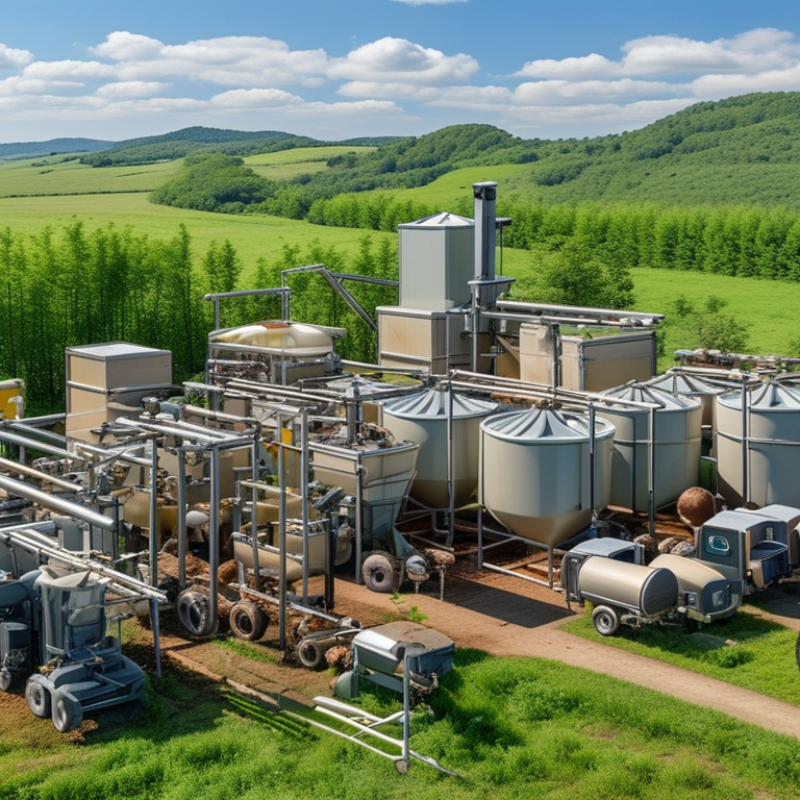
Understanding Animal Waste Fermentation Processes
Understanding the fermentation process of animal waste is crucial in selecting the best equipment. Fermentation transforms animal manure into valuable resources, such as biogas and organic fertilizers. This process harnesses anaerobic bacteria to break down organic matter. According to industry reports, nearly 500 million tons of animal manure are generated each year in the U.S. alone. Proper fermentation can reduce harmful pathogens and odors while producing energy.
Selecting the right equipment involves understanding different fermentation systems. Batch systems are simpler but may require more physical labor. Continuous systems automate the process, offering higher efficiency. However, they often demand a higher initial investment. Consider factors like the scale of your operation and desired output. Looking into local regulations can help identify suitable methods and technology for your needs.
Effective fermentation relies on various parameters: temperature, pH, and retention time. Maintaining optimal conditions ensures successful digestion of waste. If temperature varies, fermentation efficiency may drop. Monitoring these elements can prevent issues such as toxic byproducts. Proper equipment should include reliable sensors and controls to optimize conditions consistently.
Key Features to Consider in Fermentation Equipment
When selecting animal waste fermentation equipment, specific features are essential. Efficiency is crucial. Look for systems that optimize the breakdown of waste, reducing processing time. Energy usage also matters. Equipment that consumes less energy helps lower operational costs while being environmentally friendly.
Next, consider the material quality of the equipment. Stainless steel is often preferred due to its durability and resistance to corrosion. It ensures a longer lifespan and reliable operation. User-friendliness can’t be overlooked. Equipment with intuitive controls simplifies training for operators. However, even advanced systems may present challenges. Reflect on the learning curve and ensure support is available.
Additionally, think about the equipment’s capacity. It should match your operational needs but not lead to over-processing. Too much capacity may create issues with maintenance and efficiency. Finally, investigate the manufacturer's service offerings. Accessibility of parts and after-sales support can greatly affect long-term reliability. Every piece of equipment has its strengths and weaknesses, so thorough research is vital.
Evaluating Capacity and Efficiency of Fermentation Units
When evaluating the capacity and efficiency of animal waste fermentation equipment, consider several key factors. The size of your operation greatly impacts the type of equipment needed. Small farms might benefit from compact units, while larger operations require more extensive setups. Understanding your waste production rates is crucial. It aids in selecting fermenters that match your needs.
Efficiency also plays a pivotal role in your decision. Look for units that ensure optimal microbial activity. Pay attention to factors such as temperature control, mixing speed, and retention time. A well-balanced environment for microorganisms leads to better fermentation outcomes. Inadequate parameters may hinder efficiency, reflecting on the quality of the final product.
Checking user reviews and expert opinions can provide insights into various models. Do not overlook maintenance requirements. Regular upkeep is essential for longevity and efficiency of fermentation units. A unit that looks great on paper might not perform as expected in practice. Think about scalability too. As your operation grows, your equipment should adapt to increased production needs.
Comparing Aerobic vs. Anaerobic Fermentation Systems
When considering animal waste fermentation systems, it's essential to weigh the benefits of aerobic and anaerobic processes. Aerobic systems require oxygen to break down organic materials. They are often more efficient at producing nutrient-rich compost. However, they need careful management of airflow and moisture levels. Without proper monitoring, these systems can become ineffective, potentially leading to odors and nutrient loss.
On the other hand, anaerobic systems operate without oxygen and generate biogas as a byproduct. This can provide renewable energy, which is valuable for farms. Yet, these systems are more complex to operate. They require specific conditions, including temperature control and waste mixing. A failure to maintain these conditions can cause process failure and reduce biogas production.
Both methods have their merits and challenges. It's crucial to analyze the local environment and available resources. Some farms might excel with aerobic systems, while others may benefit more from anaerobic approaches. Ultimately, the choice should align with specific operational needs and sustainability goals.
Maintenance and Support for Long-term Equipment Performance
When selecting animal waste fermentation equipment, maintenance is crucial for long-term performance. Regular upkeep ensures efficient operation and maximizes productivity. According to a report by the United Nations Food and Agriculture Organization, improper maintenance can lead to a decline in processing efficiency by up to 30%. This emphasizes the importance of routine checks and timely repairs.
Understanding the specific needs of your equipment is key. For instance, monitoring temperature and pH levels can significantly impact fermentation quality. Research indicates that maintaining optimal conditions can increase biogas yield by 15-20%. However, many users overlook these aspects, leading to subpar results.
Staff training is also essential. An inexperienced team might miss critical maintenance tasks. A National Renewable Energy Laboratory report suggested that inadequate operator training can decrease equipment lifespan by as much as 25%. Investing in proper training and ongoing support will pay off in longevity and reliability. The goal is to create a sustainable process with minimal downtime.