
Connect with us today to learn more about our industrial automation solutions—and how to commission them for your application.
Why Choose Reaction Injection Molding for Your Manufacturing Needs?
When considering manufacturing solutions, Reaction Injection Molding (RIM) stands out as an innovative option. Dr. Sarah Lee, an expert in polymer processing, asserts, “RIM provides unparalleled flexibility and cost-effectiveness for complex designs.” This method combines speed and efficiency, making it ideal for producing large parts with intricate shapes.
RIM involves mixing resin and hardener chemicals under controlled conditions. This process allows for rapid prototyping and reduced waste, appealing to modern manufacturers. Companies can benefit from shorter production cycles and the ability to adjust designs quickly. However, mastering RIM requires expertise and experience. Some organizations face challenges in optimizing their processes, leading to inconsistent results.
Ultimately, while Reaction Injection Molding offers numerous advantages, it is not without its complexities. Continuous improvement and adaptation are vital. Manufacturers must evaluate their capabilities to leverage RIM effectively, ensuring sustainability and innovation in product development.
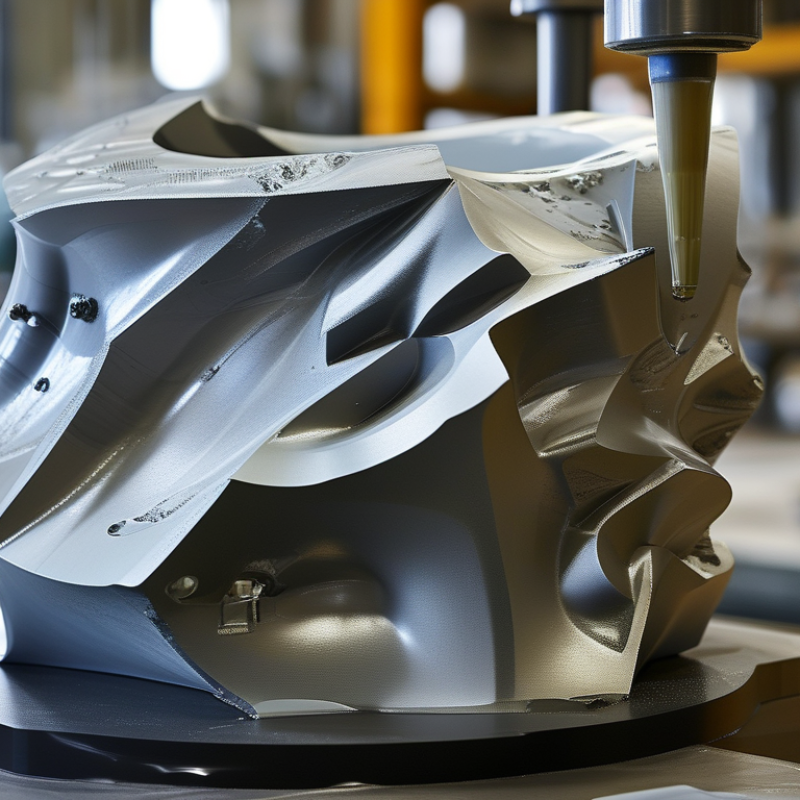
Benefits of Reaction Injection Molding in Manufacturing Processes
Reaction Injection Molding (RIM) stands out in modern manufacturing for several reasons. Its flexibility in creating complex shapes and designs is notable. This method allows manufacturers to craft parts with intricate geometries that other methods struggle to achieve. It can produce lightweight components that maintain durability, making it suitable for various industries like automotive and aerospace.
Another key advantage of RIM is its efficiency. The process reduces material waste, as it uses only what is necessary to create each part. This aspect also contributes to lower production costs over time. Companies can benefit from shorter lead times, allowing them to respond quickly to market demands.
Despite its many benefits, RIM is not without challenges. The initial setup costs can be higher than traditional methods. Understanding the right materials and processes takes experience and expertise. As manufacturers explore RIM, careful consideration and reflection are essential to maximize its potential. Being aware of these factors can lead to smarter manufacturing choices.
Why Choose Reaction Injection Molding for Your Manufacturing Needs? - Benefits of Reaction Injection Molding in Manufacturing Processes
| Feature | Description | Benefits |
|---|---|---|
| Material Versatility | Ability to use a wide range of materials including polyurethanes and specialty resins. | Flexibility in design and application across different industries. |
| Rapid Production | Shorter cycle times allow for faster manufacturing and delivery. | Increased efficiency and quicker time to market. |
| Design Freedom | Facilitates complex and intricate designs due to its molding capabilities. | Enhanced creative possibilities for product design. |
| Cost-Effectiveness | Minimizes material waste and lowers production costs with efficient processes. | Reduces overall operational expenses over time. |
| Durability | Produces robust components that can withstand various conditions. | Ensures long-lasting performance and reliability in applications. |
| Sustainability | Utilizes eco-friendly materials and processes that reduce environmental impact. | Improves corporate sustainability goals and compliance. |
Comparative Analysis: RIM vs Traditional Injection Molding Techniques
When comparing Reaction Injection Molding (RIM) and traditional injection molding techniques, several key factors come into play. RIM excels in producing large, complex parts with excellent dimensional stability. It uses a unique process that mixes two liquid components, resulting in a final product that is lightweight yet robust. In contrast, traditional injection molding often relies on solid pellets, which may limit the component design flexibility. According to a recent industry report, RIM can achieve cost savings of up to 30% for specific applications, highlighting its efficiency for manufacturing.
RIM also offers faster cycle times for certain applications. It typically requires shorter curing periods than traditional methods. However, this can vary based on the materials used and production scale. Traditional molding can be more efficient for high-volume runs, but RIM may shine in low to medium production when custom designs are needed. It's crucial to evaluate production demands carefully.
Consider these tips when choosing a manufacturing technique. Assess the complexity of the parts you need. Think about the materials best suited for your project. Always review the projected production volume. This will help in making an informed choice between RIM and traditional methods. Balancing cost, design, and production speed is essential for optimal results.
Key Applications and Industries Utilizing Reaction Injection Molding
Reaction Injection Molding (RIM) serves various industries by offering unique solutions for manufacturing. This process is particularly advantageous in sectors like automotive, healthcare, and consumer goods. In automotive manufacturing, RIM produces lightweight, durable parts. This enhances vehicle performance and fuel efficiency. It also allows for complex shapes, meeting design specifications.
In healthcare, RIM contributes to producing medical devices and equipment. Its capacity to create biocompatible materials ensures patient safety. RIM also enables cost-efficient production of intricate components. For consumer goods, it allows brands to innovate with new designs. The ability to rapidly prototype reduces time to market.
Insert RIM into manufacturing processes thoughtfully. Consider the end-use of your products. Not every component may benefit from RIM. Assess material compatibility with your design needs. Develop a partnership with skilled manufacturers to achieve the best results. This collaboration can lead to improved quality and reduced turnaround time. RIM opens pathways for innovation, but understanding its limits is crucial for success.
Key Applications and Industries Utilizing Reaction Injection Molding
This chart illustrates the demand for Reaction Injection Molding across various key industries, demonstrating its wide-ranging applications from automotive to aerospace sectors.
Understanding the Materials Used in Reaction Injection Molding
Reaction Injection Molding (RIM) utilizes a unique blend of materials, making it ideal for various manufacturing needs. The primary materials are polyurethanes, which are known for their exceptional strength and versatility. According to a report from the Polyurethanes Manufacturers Association, the global polyurethane market is projected to reach $59 billion by 2024. This growth highlights the increasing reliance on polyurethane in industries such as automotive and furniture.
The process involves mixing reactive components that cure into a solid form. This method allows for a wide range of properties, including lightweight yet sturdy components. The flexibility in material selection is one of the main advantages of RIM. However, companies must consider the complexity of integrating these materials into existing manufacturing processes. Notably, the initial investment in RIM equipment can be a barrier for some businesses.
Moreover, while RIM offers significant benefits, it can also present challenges. For instance, achieving uniformity in material properties might require careful calibration. Manufacturers must continuously adapt to new materials and technologies. Reports suggest that companies often underestimate the learning curve associated with these high-performance materials. Thus, understanding the nuances of RIM materials is essential for success in the evolving manufacturing landscape.
Factors to Consider When Choosing Reaction Injection Molding
When considering reaction injection molding (RIM) for manufacturing, several key factors come into play. Material selection is critical. RIM typically uses thermosetting polymers, which cure into strong, durable products. Understanding the specific physical properties of these materials can guide decisions based on the product's intended use. Be aware that not every resin will work for every application.
Design complexity is another important aspect. RIM allows for intricate designs and lightweight structures that would be difficult to achieve with traditional methods. However, this complexity can complicate the initial setup and tooling costs. Additionally, the prototyping phase can become lengthy due to iterative adjustments in the mold design. Planning for potential revisions ensures smoother production runs.
Cost efficiency is often highlighted but deserves scrutiny. While the initial costs of molds might be high, the ability to produce large quantities can reduce per-unit costs over time. It’s essential to balance upfront investment with long-term production goals. Each manufacturing scenario presents unique challenges. A thorough assessment of these factors will lead to better decision-making in choosing reaction injection molding.