Why Choose IQF Tunnel Freezer for Your Food Business Needs?
In the competitive landscape of the food industry, efficiency is key. An "IQF Tunnel Freezer" is essential for businesses looking to preserve food quality while optimizing production. According to industry expert Dr. Emily Carter, “The right freezing technology can make or break a food business.” Her insight highlights the importance of selecting the appropriate freezing method.
The IQF Tunnel Freezer offers unique advantages. It maintains the texture and flavor of food products, ensuring customer satisfaction. Rapid freezing minimizes ice crystal formation, which can damage food. This technology is perfect for fruits, vegetables, and seafood. However, investing in such advanced equipment can be daunting for smaller operations.
Many business owners may wonder if the benefits outweigh the costs. Choosing an IQF Tunnel Freezer involves careful consideration. It's vital to assess your product line and production capacity. While some may feel overwhelmed, seeking expert advice can illuminate the best path forward. Embracing this technology could lead to significant gains and ultimately reshape your business's future.
Understanding IQF Technology and Its Benefits
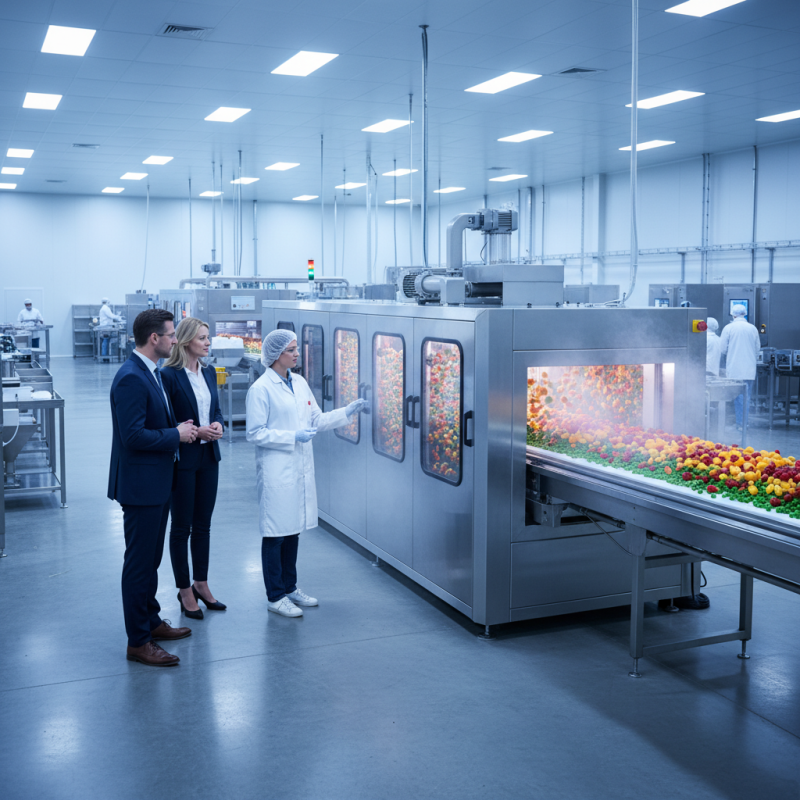
IQF, or Individually Quick Frozen technology, is revolutionizing the food industry. This method preserves food quality by freezing each item individually. The result? Enhanced texture, flavor, and nutritional content. According to a report by the Food and Agriculture Organization, IQF technology can significantly reduce the loss of nutrients during storage, ensuring that customers enjoy fresh-tasting food.
One critical advantage of using IQF tunnel freezers is efficiency. These freezers operate at varying temperatures to ensure quick freezing, which helps maintain the overall quality of food. The industry shows a
nearly 20% increase in product yield due to reduced ice crystal formation. This means more food on shelves and less waste for producers.
Tip: When considering an IQF freezer, assess your production capacity and product types thoroughly. Different foods require different freezing times. It's crucial to align these specifications with your operational needs.
Another relevant point is maintenance. While IQF freezers are efficient, they can require more upkeep due to the complexity of their design. Regular cleaning and inspections are necessary to prevent issues. Poor maintenance can lead to increased downtime, which directly impacts productivity.
Tip: Create a maintenance schedule that suits your operational flow. Regular checks can minimize unexpected repairs and ensure consistent quality in food freezing.
The Role of IQF Tunnel Freezers in Food Preservation
IQF tunnel freezers play a crucial role in food preservation. These freezers utilize a quick freezing method that locks in the freshness and nutrients of food products. By freezing items individually, IQF technology prevents clumping and maintains the original quality of each piece. This is essential for businesses that prioritize product integrity and shelf life.
The preservation benefits of IQF tunnel freezers are significant. They reduce moisture loss and minimize the risk of freezer burn. This is particularly important for fruits, vegetables, and seafood. These items can spoil quickly, and traditional freezing methods often compromise their texture and taste. With IQF, the finished product retains its color, flavor, and nutritional value.
Yet, there are challenges in implementation. Initial costs for equipment can be high. Not every food business can afford these advanced systems. Some may wonder if the benefits justify the investment. Training staff to operate this technology also requires time and effort. Despite these hurdles, the advantages of IQF tunnel freezers in preserving food quality are worth considering for serious food businesses.
Key Features to Look for in IQF Tunnel Freezers
When selecting an IQF tunnel freezer, certain features are crucial. Temperature control is vital. Most units offer precise temperature regulation, which is crucial for preserving food quality. A report by the Food Processing Association indicates that proper freezing can retain up to 95% of food nutrients. This efficiency is essential for businesses looking to maintain high product standards.
Another important aspect is the capacity of the freezer. Many businesses require high throughput to meet demand. Choosing a unit that can accommodate varying batch sizes can enhance flexibility. However, high capacity may lead to challenges in ensuring even freezing. It's crucial to balance capacity with the technology that ensures uniform temperature distribution.
Energy efficiency is also a key feature to consider. The International Institute of Refrigeration notes that energy costs can account for up to 30% of operational expenses. Investing in an energy-efficient model pays off in the long run. Businesses need to evaluate different energy ratings and operational costs. The right choice can lead to significant savings and better sustainability practices.
Comparing IQF Freezers with Other Freezing Methods
When comparing IQF (Individually Quick Frozen) freezers with other freezing methods, the efficiency and quality of food preservation become clear. IQF technology freezes food items quickly and individually, which helps maintain texture and flavor. According to industry reports, IQF freezing can reduce ice crystal formation, leading to better food quality. Standard freezing methods often result in larger ice crystals, which can damage cell structure.
Tips: Consider the type of food being frozen. Delicate items, like berries, benefit greatly from IQF technology. This method allows for a more uniform freezing process, preserving the food's natural attributes.
Additionally, the cost-effectiveness of IQF freezers should not be overlooked. While the initial investment can be higher than traditional systems, the long-term savings on waste and improved product quality can outweigh these costs. A study by a leading food processing association revealed that businesses using IQF saw a 20% decrease in product losses due to freezer burn and spoilage. Transitioning to this technology may require training and adjustments, which can be challenging.
Tips: Evaluate your production volume. IQF may yield better results for high-volume operations. Smaller businesses might weigh the initial costs against return on investment before making a decision.
Comparative Analysis of Freezing Methods for Food Preservation
Cost-Effectiveness of Using IQF Tunnel Freezers in Food Production
IQF (Individual Quick Freezing) tunnel freezers offer significant cost-effectiveness for food production. According to a report by the Food and Agriculture Organization (FAO), frozen food can extend shelf life by 12 to 18 months compared to fresh products. This not only reduces waste but also cuts down on inventory costs. The rapid freezing process preserves quality, which can lead to better sales margins. Additionally, businesses can store more product without sacrificing space, ultimately maximizing facility efficiency.
One key advantage of IQF technology is its ability to freeze individual items rather than bulk quantities. This versatility allows for precise portion control, reducing both overproduction and spoilage. A study by the International Institute of Refrigeration indicates that energy consumption is reduced by up to 30% with IQF systems compared to traditional freezing methods. This reduction can translate to significant savings over time.
Tip: Regular maintenance of your freezer can prevent costly breakdowns. Keep monitoring your units for ice build-up. A clean, efficient freezer saves energy and money.
Investing in IQF tunnel freezers can be daunting initially. The upfront cost might seem high. However, consider the long-term savings and benefits. Enhanced food quality can lead to increased customer satisfaction. Given the ever-evolving food market, a focus on sustainability and innovation is crucial. Every decision today impacts future success.
Why Choose IQF Tunnel Freezer for Your Food Business Needs? - Cost-Effectiveness of Using IQF Tunnel Freezers in Food Production
| Dimension | Description | Cost Efficiency | Benefit |
| Production Capacity | Capacity to freeze 1 ton of product per hour | High output leads to lower cost per unit | Increased profitability through mass production |
| Energy Efficiency | Uses advanced technology to minimize energy consumption | Reduced energy costs compared to traditional methods | Lower operation costs, greater sustainability |
| Product Quality | Ensures quick freezing to preserve texture and nutrients | Minimized product loss leads to better margins | Enhanced customer satisfaction and retention |
| Space Efficiency | Compact design that requires less floor space | Maximizes usable space in production areas | Flexibility for expanding business operations |
| Operational Cost | Lower maintenance costs due to durable construction | Reduced downtime translates to savings | Increased return on investment |