
How to Choose the Best 1 Inch Nylon Webbing for Your Needs?

Choosing the right 1 inch nylon webbing can be challenging. With so many options available, it's crucial to know what to consider. Quality, strength, and durability are key factors. You want webbing that will perform under pressure and withstand various conditions.

Webbing is used in numerous applications, from camping gear to safety harnesses. Each use requires different specifications. It’s not just about picking any webbing; you need one that meets your specific needs. Understanding the material and construction will help you make an informed choice.

Remember, not all 1 inch nylon webbing is created equal. Some may appear similar but can differ greatly in strength and wear resistance. Explore user reviews and expert recommendations. These insights are invaluable in finding reliable options. Your choice should reflect both performance and safety, ensuring it supports your intended activity effectively.
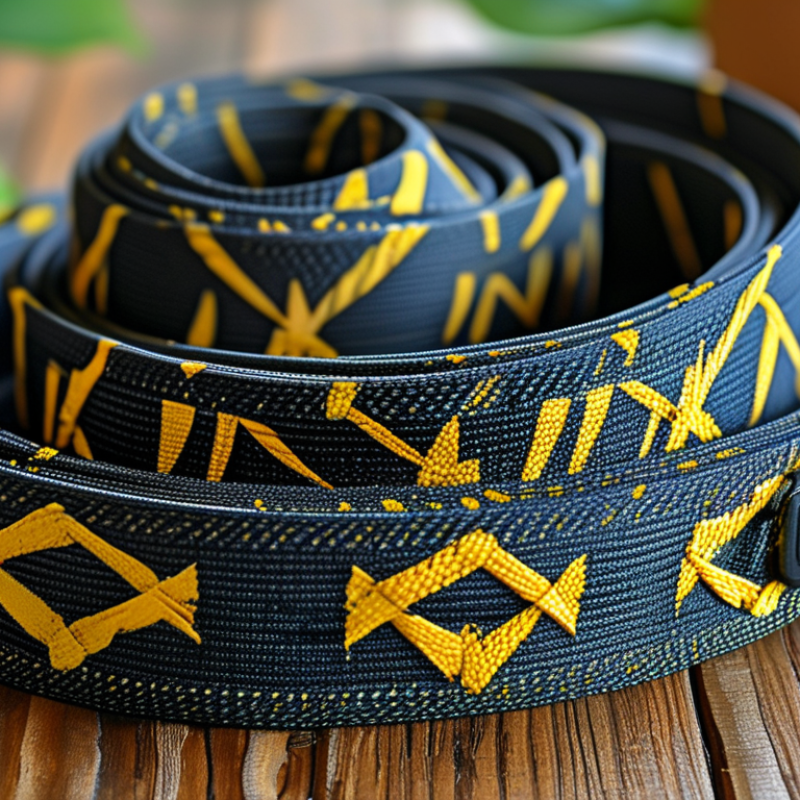
How to Choose the Best 1 Inch Nylon Webbing for Your Needs?

Identifying the Purpose of Your 1 Inch Nylon Webbing

When selecting 1-inch nylon webbing, it's essential to start with its intended purpose. This webbing is versatile and can serve multiple functions. For instance, outdoor enthusiasts may use it for securing gear, while crafters might opt for it in various DIY projects. Knowing your needs will guide your decision.

Consider the environment where you’ll use the webbing. If it’s for hiking or camping, durability and resistance to wear are crucial. On the other hand, if you plan to use it indoors, factors like aesthetics might play a role. Reflecting on these aspects can help clarify your choice.

Additionally, think about the load capacity you need. Some projects may require robust webbing, while lighter tasks can be accomplished with thinner strands. It can be tricky to find the perfect balance between strength and flexibility. Evaluating your specific scenario allows you to make a more informed decision, though it may take time. Remember that trial and error is part of the learning process, especially when entering a new realm of materials.

Evaluating the Load Capacity and Strength Requirements

Evaluating the load capacity and strength requirements of 1-inch nylon webbing is crucial for various applications. The strength of nylon webbing typically ranges from 1,000 to 6,000 pounds, determined by density and weave patterns. For heavy loads, consider webbing with a minimum break strength of at least 3,000 pounds. This ensures safety during usage. Misjudging the load could lead to accidents or equipment failure, making it essential to assess both the type of load and any dynamic forces involved.

When selecting nylon webbing, inspect its load rating printed on the packaging. This rating indicates its maximum safe working load. Industry standards recommend using webbing at 20% of its break strength for optimal safety. Additionally, look for certifications such as those from the American National Standards Institute (ANSI). Such certifications indicate adherence to recognized safety practices.

Tip: Always test webbing under controlled conditions before full deployment. This step can help reveal potential weaknesses or defects in real-world applications.

Another consideration is the environment where the webbing is used. UV exposure, moisture, and temperature can degrade nylon over time. Regularly inspect any webbing that’s exposed to these conditions. Such checks can help detect wear and tear early, ensuring continuous reliability in its intended use.

How to Choose the Best 1 Inch Nylon Webbing for Your Needs? - Evaluating the Load Capacity and Strength Requirements

Webbing Type Load Capacity (lbs) Breaking Strength (lbs) Weight (oz/yard) Use Case
Heavy Duty 1,200 2,400 10 Camping, Load Securing
Standard 800 1,600 7 Backpacking, Everyday Use
Lightweight 500 1,000 5 Dog Leashes, Luggage
Mil-Spec 1,000 2,000 8 Tactical Gear, Rescue Operations

Understanding the Types of Nylon Used in Webbing

When choosing the right nylon webbing, understanding the types of nylon used is crucial. Nylon is a synthetic fabric known for its strength and durability. Two common types are Type 6 and Type 66 nylon. Type 6 nylon offers excellent elasticity. It can stretch under tension but returns to its original shape. Type 66 nylon, on the other hand, has better heat resistance and tensile strength. This makes it suitable for demanding applications.

The choice between these nylons can impact performance. Type 6 might be more suitable for everyday use, like crafting belts or straps. Type 66 excels in heavy-duty scenarios, like towing or load-bearing situations. Different weaves and treatments can also affect the webbing’s performance. For instance, flat webbing has a wide surface area and distributes weight evenly. However, it may not perform like tubular webbing in specific applications.

Consider your specific needs before making a decision. Think about the environment where the webbing will be used. Will it experience abrasion or exposure to chemicals? Reflect on factors like weight capacity and flexibility. Erring on the side of caution can lead to better results. Choosing nylon webbing that matches your requirements ensures safety and longevity in its use.

Comparative Analysis of Nylon Types Used in 1 Inch Webbing

Considering Weather Resistance and Durability Features

When choosing 1 inch nylon webbing, consider weather resistance and durability. Nylon webbing is favored for its strength and versatility. However, not all nylon webbing is created equal. Factors such as UV resistance and moisture absorption can impact its longevity. For outdoor applications, select webbing with proven weather resistance.

Tips: Check the tensile strength of the webbing. Higher strength often translates to better durability. Also, inspect the material for UV protection. This is essential for outdoor use, preventing degradation from sun exposure.

Moisture resistance is another critical factor. If the webbing will face wet conditions, ensure it has a low absorption rate. Wet conditions can weaken some types of nylon, leading to potential failure. Inspect the weave and finish for any signs of vulnerability.

Testing in real-world conditions can reveal hidden weaknesses. Sometimes, a material looks durable but doesn’t perform under stress. Always strive to understand how different environments affect your choice. Making informed decisions is essential for optimal performance.

Comparing Price and Quality Among Different Brands

When selecting 1-inch nylon webbing, it's essential to balance price and quality. Many brands offer varying options. However, not all webbing is created equally. Some may promise durability but fail in real-world applications. Quality is determined by factors such as tensile strength, abrasion resistance, and UV stability. A low-priced option might seem appealing, but it can lead to disappointment down the line.

Take the time to read product reviews and customer feedback. User experiences provide insight into how a product holds up under pressure. Look for brands that are known for their commitment to quality. Investigate the materials used in production. Nylon is known for its strength, but not all nylon is the same. There can be significant differences in thickness and weave, which directly impact performance.

Also, consider the application for which you need the webbing. If used for heavy loads, investing in higher quality might be wise. Sometimes, spending a bit more can save you from accidents or product failure. Reflect on the specific needs of your project. A little research can lead you to the right choice. Make sure to trust your instincts and stay informed about industry standards.

Learn More

Connect with us today to learn more about our industrial automation solutions—and how to commission them for your application.