
Connect with us today to learn more about our industrial automation solutions—and how to commission them for your application.
China Top 10 Solar Surge Protector Manufacturers?
China’s solar expansion is raising the stakes for dependable equipment across utility-scale and rooftop projects. IRENA’s Renewable Capacity Statistics 2024 reports that global solar capacity reached about 1,419 GW in 2023. Solar added approximately 345.5 GW that year, accounting for most new renewable capacity. More panels mean more exposed DC circuits, combiner boxes, and inverter inputs. A nearby lightning strike can send a damaging transient through these connections. Small components matter.
A Solar Surge Protector helps limit transient overvoltage, but its label alone cannot prove suitability. Buyers should compare maximum continuous operating voltage, protection levels, discharge ratings, certifications, and documented testing. Installation details matter, too: grounding, cable routing, and coordination between DC- and AC-side protection can affect real-world performance. Surge-protection specialist Dr. Peter Hasse’s published work offers a useful design principle, paraphrased here: “Choose protection as part of the complete PV system, not as an isolated component.” This is not a verbatim quotation. That distinction matters when technical claims guide purchasing decisions. This guide examines ten Chinese manufacturers through product range, technical documentation, quality controls, and export experience. Company rankings can change, and public evidence is uneven. A polished catalogue is not proof. Readers should verify current certificates and test reports directly before selecting a supplier.
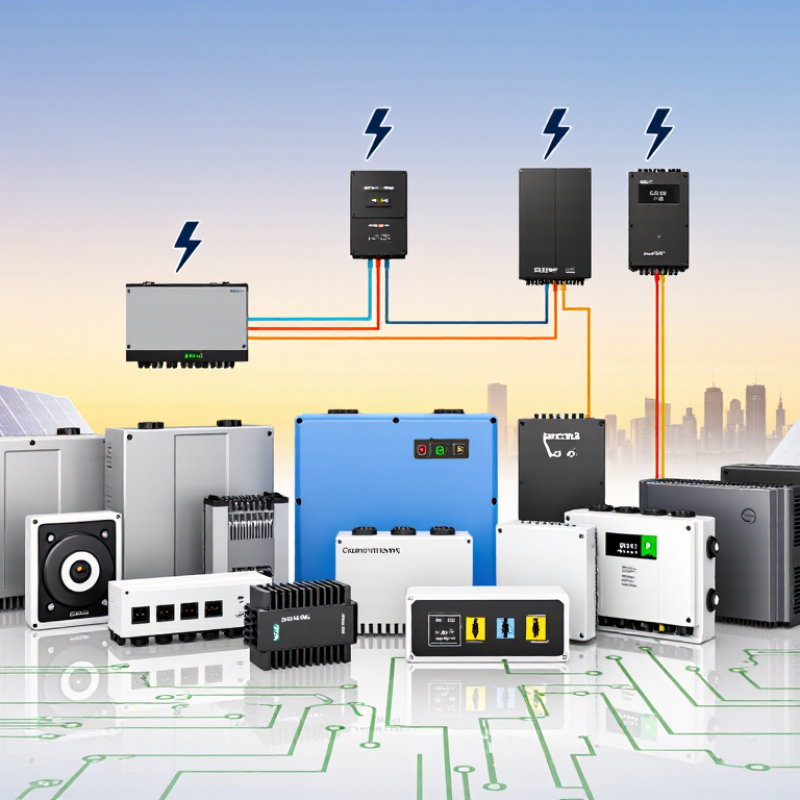
How Solar Surge Protectors Protect Photovoltaic Systems
China Top 10 Solar Surge Protector Manufacturers?
How Solar Surge Protectors Protect Photovoltaic Systems
A photovoltaic system has long outdoor cable runs, rooftop modules, and sensitive inverters. Nearby lightning and switching events can create brief voltage spikes that travel through DC or AC wiring. A solar surge protective device helps limit these transient overvoltages by diverting excess energy toward the grounding system. It does not stop lightning or guarantee that equipment will never fail. It reduces risk when correctly selected, installed, and maintained.
Tips: Check that the device suits the system’s DC or AC side and operating voltage. Install it close to the equipment it protects, following the system design and product instructions. Keep connection leads short; long leads can reduce protection effectiveness. Grounding matters. A surge device cannot work as intended with poor bonding or a damaged earth connection.
For example, a rooftop array may need protection near its inverter, while long DC cable routes can call for additional protection at the array end. The right arrangement depends on cable length, site exposure, and equipment specifications. Have a qualified installer assess the layout and verify connections during commissioning. Inspect indicators periodically, especially after a suspected surge. A green status window is useful, but it is not a complete system check. Even careful designs have limits, and that detail is easy to overlook.
Key Criteria for Evaluating Chinese Manufacturers
Choosing a Chinese solar surge protector manufacturer requires more than comparing unit prices. IRENA’s Renewable Capacity Statistics 2024 reports that global solar capacity reached about 1,419 GW in 2023, with 346 GW added that year. That rapid growth makes consistent production and clear product traceability important. Ask for test reports covering the exact model, not a similar product. For photovoltaic DC devices, check whether testing addresses IEC 61643-31 requirements and whether ratings match your system voltage and installation conditions. Paperwork matters. So does the factory floor.
Review how the manufacturer controls incoming components, assembly, and final inspection. Request batch records, routine test procedures, and evidence that the stated maximum continuous operating voltage and protection levels match the datasheet. Ask how products perform under heat, humidity, and repeated electrical stress; vague answers deserve follow-up. A site audit can reveal practical details, such as whether test equipment is calibrated and rejected units are kept separate. A polished certificate folder is reassuring, but it cannot prove stable quality across every shipment. I would also compare warranty terms, replacement procedures, and technical response times. Those details are easy to overlook, and I may be weighting after-sales support too heavily—but a failed protector is not useful if nobody can explain the failure.
China Solar Surge Protector Manufacturers: Technical Evaluation Benchmark
Standardized impulse-waveform front times used in surge protective device testing (microseconds).
These values describe test waveforms, not manufacturer ratings or rankings. When evaluating suppliers, verify that product documentation and independent test reports identify the appropriate Type 1, Type 2, or Type 3 tests under IEC 61643-11.
China’s Top 10 Solar Surge Protector Manufacturers
China’s solar market makes surge protection a practical design concern, not a minor accessory choice. The IEA PVPS Trends in Photovoltaic Applications 2024 report estimates global solar capacity reached about 1.6 terawatts by the end of 2023. China’s National Energy Administration reported 216.9 gigawatts of new solar capacity that year. That fast expansion makes careful supplier comparisons worthwhile.
When reviewing China’s top ten solar surge protector manufacturers, compare documented performance rather than marketing claims. Check that a device is designed for photovoltaic DC systems and matches the array’s maximum voltage and expected discharge current. Look for test documentation against IEC 61643-31, clear Type 1 or Type 2 classifications, and stated operating temperatures. Ask how replacement indicators work; a small window on a combiner-box device can matter during routine inspections. Small details matter.
Manufacturing scale alone does not prove reliability. Request traceable test reports, production quality-control information, and warranty terms that explain exclusions. Check whether the supplier can provide technical support and replacement parts for the project’s expected service life. Honestly, a tidy ranking may hide differences in testing depth and after-sales response. Not glamorous, but important. Compare like-for-like specifications, and verify claims against the actual datasheets before purchase.
Product Features, Standards, and Certifications Compared
With global photovoltaic capacity additions reaching about 447 GW in 2023, according to the IEA PVPS Snapshot of Global PV Markets 2024, surge protection deserves close attention. A useful comparison of China-based suppliers should start with the product, not the catalogue. Check maximum continuous operating voltage, nominal discharge current, and protection level against the system’s DC voltage and installation environment. For rooftop arrays, a clear status window and replaceable modules can make inspection simpler. Remote signaling may help larger sites, but only when the monitoring system actually uses it. Small details matter.
Standards offer a firmer basis for comparison. IEC 61643-31 covers surge protective devices for photovoltaic installations, while IEC 61643-11 applies to low-voltage AC systems. Ask whether test reports identify the exact model and configuration; a certificate for a product family may not cover every variant. Certifications such as TÜV or UL can provide additional evidence, but their scope should be checked in the issuing body’s records. Also compare Type 1, Type 2, or combined device classifications with the site’s lightning protection design. Labels alone are not enough. I would still want installation instructions, replacement guidance, and traceable test documentation before judging two similar-looking devices equivalent.
How to Choose a Manufacturer for Your Solar Project
Solar surge protection depends on more than a low quote. Start with your array’s maximum open-circuit voltage, grounding arrangement, and inverter input limits. Ask the manufacturer to explain how its device’s continuous operating voltage and protection level match those values. A mismatch can leave equipment exposed or cause nuisance failures. Details matter.
Tips: Request current test reports, product drawings, and traceable batch records. Confirm the stated discharge ratings and enclosure suitability for your installation. Ask how the supplier handles sample testing, warranty claims, and technical questions after delivery. Check lead times and packaging too; outdoor projects can stall when small parts arrive late. Ask for proof.
Compare two or three suppliers using the same written specification. Inspect sample labels, terminal strength, and wiring instructions; unclear markings are a warning, even when the brochure looks polished. A factory visit or live production call can reveal process controls, but cannot replace independent test evidence. I would not decide from a catalog alone. Be candid about limits: no protector prevents every surge, and coordination across the system still matters.
China Top 10 Solar Surge Protector Manufacturers? - How to Choose a Manufacturer for Your Solar Project
Use these ten criteria to compare manufacturers and product documentation. This is a selection framework, not a ranking of companies.
| No. | Evaluation dimension | What to compare | Evidence to request | Project check |
|---|---|---|---|---|
| 1 | Applicable product standard | Confirm that the PV-side SPD is designed and tested to the applicable edition of IEC 61643-31. AC-side protection is covered by a separate product standard, IEC 61643-11. | Test reports and certificates identifying the exact product model and standard edition. | Check that the documentation applies to the offered model, not merely a similar product family. |
| 2 | Maximum PV system voltage (UCPV) | The SPD’s maximum continuous operating voltage must be suitable for the PV array’s maximum open-circuit voltage, including the minimum design temperature correction required by the project. | Datasheet showing UCPV and the manufacturer’s application instructions. | Verify the rating against the module string voltage calculation and inverter input limits. |
| 3 | SPD type and lightning protection design | Select the SPD type to match the installation’s lightning protection and surge exposure assessment. Type 1, Type 2, and combined Type 1+2 devices serve different test and application needs. | Type designation, test classification, and installation guidance referencing the project’s protection design. | Have the project designer determine the required type; do not choose by type label alone. |
| 4 | Discharge-current ratings | Compare the declared impulse current (Iimp) where applicable, nominal discharge current (In), and maximum discharge current (Imax) using the specified test waveforms and ratings. | Datasheet and test report stating each rating, waveform, and test configuration. | Compare like-for-like ratings; values with different waveforms or test conditions are not directly interchangeable. |
| 5 | Voltage protection level (Up) | Check the declared protection level against the withstand voltage of the equipment being protected and the system design. | Datasheet specifying Up and the associated test conditions. | Confirm coordination with the inverter and other protected equipment; do not assess Up in isolation. |
| 6 | PV circuit configuration and poles | Check compatibility with the array grounding arrangement, positive and negative conductors, and the protection scheme required by the system design. | Wiring diagrams, pole configuration, and installation instructions for the exact model. | Ensure the wiring diagram matches the project topology and applicable local electrical rules. |
| 7 | Disconnect status and replacement | Review the device’s disconnection mechanism, status indication, and whether replaceable protection modules are available. | Product drawings, indicator instructions, and module replacement procedure. | Plan inspection and replacement access, particularly for installations where downtime is costly. |
| 8 | Environmental and enclosure suitability | Compare the declared operating temperature, humidity limits, enclosure protection rating, and installation conditions with the actual site environment. | Datasheet, environmental test information, and enclosure or mounting details. | Check exposure to heat, moisture, dust, and outdoor conditions at the intended mounting location. |
| 9 | Quality control and traceability | Assess whether the manufacturer can identify production batches and provide documented inspection and testing controls. | Quality-system documentation, sample inspection records, and batch or serial-number traceability details. | Confirm the supplied goods can be traced to production records and matching technical documents. |
| 10 | Warranty, support, and delivery capability | Compare written warranty terms, technical response arrangements, spare-module availability, lead-time commitments, and export documentation support. | Warranty conditions, support contacts, stated lead times, and sample shipping documents. | Evaluate total project risk and lifecycle support, not just unit price. |
Final selection should be based on the project’s electrical design, applicable local requirements, and independently verifiable documentation for the exact product model.