Connect with us today to learn more about our industrial automation solutions—and how to commission them for your application.
China Top 10 Fitted Baseball Cap Manufacturers for Buyers
China’s fitted-cap market serves brands seeking consistent shape, controlled sizing, and dependable production. Yet a polished catalog does not reveal how a cap feels after a full day of wear. Small details matter: crown depth, panel alignment, brim curve, embroidery density, and sweatband firmness. Fit matters most.
This guide introduces ten China-based fitted baseball cap manufacturers for buyers comparing product development and production partners. It is designed to help sourcing teams ask better questions, not to declare one factory universally best. Check each supplier’s experience with fitted sizing, available materials, sample process, quality checks, minimum order quantities, and production timelines. Request physical samples where possible. Inspect them yourself.
A clear size chart is essential. So is agreement on tolerances, branding placement, packaging, and inspection criteria before bulk production begins. Buyers should also confirm that a manufacturer can document its processes and communicate changes promptly. Details can shift between sample approval and final delivery. That deserves attention.
Fitted Baseball Caps are not interchangeable simply because two products share a size label. A slight difference in crown shape can change comfort and appearance. Compare construction against your target customer, intended use, and price point. Ask for evidence, then verify it. No shortlist replaces careful sampling, and this guide cannot remove every sourcing risk. It can, however, give buyers a practical starting point for a more informed decision.
What Defines a Fitted Baseball Cap and Its Key Features
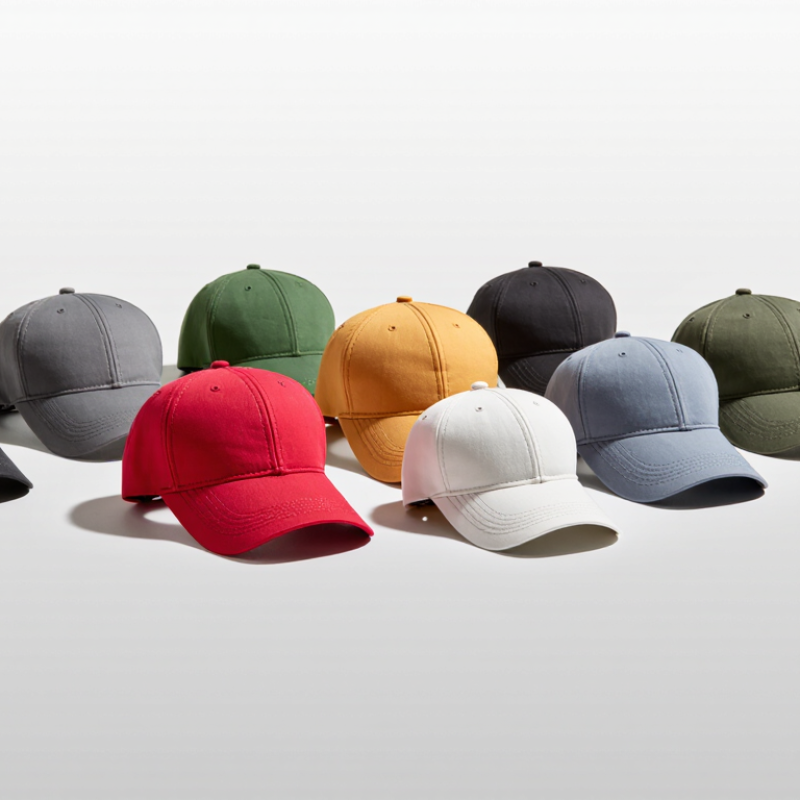
A fitted baseball cap has a closed back and no snap, buckle, or strap for adjustment. Its size is set by the wearer’s head measurement, so a close fit matters. The crown usually uses stitched panels, while a curved or flat brim helps shade the face. A sweatband sits inside the crown and absorbs moisture. Fit is personal. A cap that feels secure in a fitting room may feel tight after hours outdoors, especially if its fabric has little give. Buyers should check the size chart and ask about measurement tolerances.
Grand View Research estimated the global headwear market at USD 26.5 billion in 2023. That report covers more than fitted baseball caps, so it signals broad demand rather than cap-specific sales.
For buyers comparing manufacturers, construction details are more useful than market size alone: inspect seam consistency, crown shape, brim stiffness, and sweatband stitching. Small flaws can matter. A slightly uneven panel may be easy to miss in a product photo.
Tips: Measure around the head where the cap will sit, just above the ears. Compare that number with the manufacturer’s chart, and confirm whether sizes are listed in inches or centimeters. If possible, request a sample; charts can still leave room for interpretation.
How China’s Fitted Cap Manufacturing Industry Serves Buyers
China Top 10 Fitted Baseball Cap Manufacturers for Buyers
How China’s Fitted Cap Manufacturing Industry Serves Buyers
China’s cap manufacturers serve buyers through material sourcing, pattern development, embroidery, and bulk production. The wider sector offers substantial manufacturing capacity: the China Chamber of Commerce for Import and Export of Textiles reported about US$301 billion in Chinese textile and apparel exports for 2024. This figure covers many products, not fitted caps alone. Still, it reflects a deep supplier network for fabrics, buckram, sweatbands, and closures.
For fitted caps, small details matter. Buyers can request crown-height options, measured head-size samples, seam construction photos, and colorfastness test results. Ask how factories control sizing between production runs. A sample may fit well while bulk units vary. That risk deserves attention. Lead times also depend on fabric availability, custom colors, and embroidery complexity. Clear specifications help, but they cannot replace inspecting a production sample.
Tips: Send a measurement chart and artwork files before requesting a quote. Confirm the size tolerance, fabric composition, packaging, and inspection plan in writing. Ask for test documentation from an independent laboratory where appropriate. Compare quotations against the same specifications, not just the unit price. A cheaper offer can conceal thinner panels or inconsistent sizing. That is easy to miss.
China Top 10 Fitted Baseball Cap Manufacturers for Buyers - How China’s Fitted Cap Manufacturing Industry Serves Buyers
Buyer comparison guide: The rows below cover ten practical manufacturing capabilities to assess when sourcing fitted caps in China. They are not company rankings; specifications, minimum order quantities, lead times, and available services vary by supplier and should be confirmed directly.
| No. | Capability to Evaluate | Common Product or Process Options | What Buyers Should Confirm |
|---|---|---|---|
| 1 | Fitted sizing | Closed-back caps are ordered by a specified head circumference or hat size. Size increments and size labels can differ between suppliers and markets. | Request the supplier’s measurement chart, tolerances, and a size set or pre-production sample. Confirm how measurements are taken. |
| 2 | Crown construction | Baseball caps commonly use multi-panel crowns, including six-panel constructions. Panel shape, seam placement, and crown height affect fit and appearance. | Specify crown profile, panel pattern, front-panel structure, seam details, and the approved sample as the production reference. |
| 3 | Shell fabric | Common cap fabrics include cotton twill, polyester, cotton-polyester blends, and wool-blend fabrics. Fabric weight, weave, and finish influence hand feel and structure. | Confirm fiber composition, fabric weight, color standard, shrinkage expectations, and whether the fabric can be supplied consistently for repeat orders. |
| 4 | Front-panel support | Structured caps may use an internal support layer behind the front panels; unstructured caps generally have a softer front. | Specify structured or unstructured construction, the desired firmness, and the support material. Check the shape after packing and handling. |
| 5 | Brim and visor | Visors are typically assembled with a stiffening insert and covered with the selected shell fabric. Curvature and visible stitching can vary by design. | Approve visor length, curve, insert, stitch appearance, and color. Confirm whether the visor keeps its intended shape after transport. |
| 6 | Sweatband and inner finish | A sweatband is sewn around the inside opening. Materials and construction can affect comfort, moisture handling, and the finished circumference. | Check sweatband material, width, seam finish, color, and attachment. Verify the finished internal measurement against the approved size specification. |
| 7 | Decoration methods | Common options include embroidery, woven labels, and printed or heat-applied details. Suitability depends on artwork, fabric, and placement. | Review a decoration sample for placement, dimensions, thread or print colors, edge quality, and appearance after the agreed care test. |
| 8 | Color and material matching | Fabric, thread, labels, and trims may be sourced or dyed separately, so visual differences can occur between components and production lots. | Provide physical color standards where possible. Agree on acceptable color variation and approve production materials before bulk cutting. |
| 9 | Quality control | Relevant checks include measurements, seam and stitch inspection, decoration placement, material appearance, and packing condition. | Agree on written inspection criteria, sampling procedures, defect classifications, and the inspection point before shipment. |
| 10 | Sampling, order terms, and export packing | Sampling, minimum order quantities, production schedules, payment terms, and packing formats are supplier-specific rather than universal industry standards. | Obtain a written quotation and timeline. Confirm sample charges, order quantity by size and color, packaging, shipping terms, and required export documents. |
Profiles of 10 Chinese Fitted Baseball Cap Manufacturers
China’s fitted-cap manufacturing landscape includes suppliers with different strengths. These ten profiles are practical buyer-focused categories, not a verified ranking of named factories. Profile 1 suits buyers seeking structured, firm crowns. Profile 2 focuses on lightweight panels and breathable eyelets. Profile 3 offers a wider range of brim shapes. Profile 4 emphasizes careful stitching and clean interior finishing. Details matter.
Profile 5 may fit smaller custom orders, though capacity should be confirmed. Profile 6 is geared toward repeat production and consistent sizing. Profile 7 works with varied fabric weights, from cotton twill to wool blends. Profile 8 offers embroidery and patch application. Profile 9 focuses on packaging and export coordination. Profile 10 provides development support, including sample revisions and fit adjustments.
A useful supplier profile should show more than a product gallery. Ask for a current size chart, close-up construction photos, sample lead times, and clear details on minimum order quantities. Check how the factory measures crown depth and head circumference; a small fit difference can affect an entire order. Request a physical sample before approving bulk production. One weakness in many comparisons is limited evidence about quality control, so buyers should verify inspection steps directly rather than rely on polished descriptions.
How to Compare Manufacturers by Quality, Capacity, and Pricing
When comparing China’s fitted baseball cap manufacturers, assess the sample, not just the catalog photos. Check whether the crown sits evenly, the panels meet cleanly, and the brim keeps its shape after gentle handling. Inspect embroidery from both sides; loose threads and puckering can signal weak process control. Ask for fabric specifications, colorfastness results, and the measurement tolerances used for each size. Small differences matter.
Then verify capacity with evidence. Request the monthly output range, current lead time, and a production schedule for your expected order volume. Ask how the factory handles peak-season demand and rejects. A large stated capacity means little if inspection records are vague. Request a pre-production sample and agree on acceptable measurements before bulk production. Keep a written approval record. It prevents confusion.
Compare pricing line by line. Confirm whether the quote includes fabric, decoration, packaging, sampling, and shipping, and ask which costs may change with order quantity. A low unit price can hide a high minimum order or extra setup fees. Capacity and quality both affect cost. Be cautious of unusually confident promises; actual results can vary, and even a carefully reviewed sample cannot guarantee every production run will match perfectly. Allow time for correction.
How Buyers Can Verify Suppliers and Manage Orders Successfully
A reliable fitted-cap supplier should provide clear evidence of its production capability, not just polished catalog photos. Request a recent sample and check the crown shape, panel seams, sweatband, and size consistency. Fitted caps have no adjustable closure, so small measurement differences can affect comfort. Ask for a size chart, fabric details, and tolerances in writing. Compare the sample with those specifications under consistent lighting.
Verify company details and production arrangements through a video call or an independent factory visit where practical. Ask who handles cutting, sewing, embroidery, and final inspection. Request references from buyers with similar order requirements, then contact them directly. A sample can still mislead. It may be better finished than bulk production, so confirm how the approved sample will be used as a quality reference.
Put quantities by size, colors, packaging, delivery dates, and defect criteria in the purchase order. Keep records. Approve a pre-production sample before full manufacturing, and agree on inspection timing before the order begins. For a first order, a smaller trial can reveal communication or sizing problems before they grow costly. Track milestones with dated updates, and confirm carton counts and size assortments before shipment. Plans change; leave room to review delays and correct mistakes without relying on vague promises.