
China Best Horizontal Directional Drilling Machine?

Choosing the China best Horizontal Directional Drilling machine requires more than comparing horsepower and price. The right model must match soil conditions, installation length, pipe diameter, and project risks. A machine working beside a busy road needs different strengths from one drilling through compact clay.

Field experience matters here. Operators often judge performance by torque stability, pullback control, mud circulation, and service access. A reliable machine should start smoothly on cold mornings, maintain steady pressure underground, and recover quickly after an unexpected obstruction. Small details matter. Clear controls matter. Easy filter replacement matters.

China has become a major source of horizontal directional drilling equipment. Many manufacturers now offer compact units for urban utility work and heavy models for longer crossings. However, impressive specifications do not always guarantee dependable results. A brochure may show maximum pullback, while hiding fuel use, maintenance intervals, or response time for spare parts.

There is no universal winner.

A responsible comparison should examine factory experience, quality management, testing records, operator feedback, and after-sales support. Buyers should also verify whether training, remote diagnosis, and local parts availability are included. These factors can prevent costly downtime during a live project.

This guide evaluates leading Chinese machines through practical criteria. It considers drilling force, control precision, mud systems, transport convenience, safety features, and long-term operating value. Some conclusions may remain imperfect because ground conditions vary widely. That limitation deserves attention. The best choice is not always the largest or cheapest machine. It is the one that performs consistently for the work in front of you.
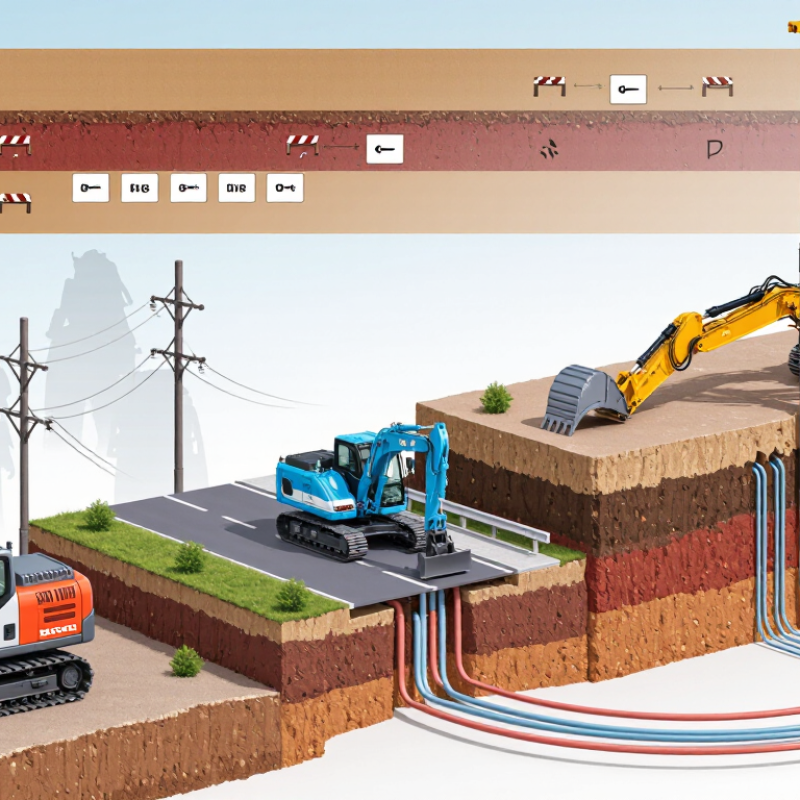
China Best Horizontal Directional Drilling Machine?

HDD Machine Fundamentals: Thrust, Torque, and 30–3,000 kN Pullback Classes

Choosing the best horizontal directional drilling machine in China starts with the bore, not the catalog. HDD machines are commonly grouped by pullback force, from about 30 kN for small service lines to nearly 3,000 kN for major crossings. Pullback controls the machine’s ability to install pipe, but it does not work alone. Thrust advances the drill string during pilot drilling and reaming. Torque turns the bit and reamer through soil, clay, gravel, or weathered rock.

A 30–150 kN machine may suit fiber, water, and short utility installations. Medium units around 300–1,000 kN handle larger pipe, deeper profiles, and tougher ground. Projects above 1,000 kN demand careful planning, especially near railways, rivers, or dense urban areas. Bigger is not automatically better. Excess capacity can increase transport, setup, and fluid-management costs.

Field crews should compare rated pullback with continuous operating force. Peak values can look impressive. They may not reflect long-duration performance. Check torque at working speed, rod strength, hydraulic stability, and available drilling fluid volume. I have seen equipment selected by pipe diameter alone. That was a weak assumption. Soil variability changed the real demand. A machine also needs suitable anchoring, steering accuracy, and recovery planning. Small details matter. Good records from previous bores improve reliability, although no calculation removes every uncertainty.

HDD Machine Fundamentals: Thrust, Torque, and Pullback Classes

Representative horizontal directional drilling machine classes, showing rated pullback force and typical maximum rotary torque.

Pullback force is commonly specified in kilonewtons (kN), while rotary torque is specified in kilonewton-metres (kN·m). Larger machines generally provide greater thrust and torque for longer crossings, larger product pipes, difficult ground conditions, and expanded bore diameters. Actual performance varies with soil, tooling, drilling fluid, rod size, and operating conditions.

China HDD Rig Types: Mini, Mid-Range, and 1,000+ kN Models

China Best Horizontal Directional Drilling Machine?

China HDD Rig Types: Mini, Mid-Range, and 1,000+ kN Models

Choosing the best horizontal directional drilling machine starts with ground conditions, not catalog size. Mini HDD rigs often deliver below 100 kN of pullback force. They suit short utility crossings, narrow streets, and limited access sites. Their compact frames simplify transport and setup. However, small rigs may struggle with dense clay, cobbles, or long bores. Rod torque and fluid capacity deserve close attention.

Mid-range rigs commonly offer about 100 to 400 kN of pullback force. They balance mobility, bore length, and production speed. Contractors often use them for water lines, power conduits, and moderate road crossings.

A 1,000+ kN rig belongs to demanding infrastructure work. It can handle large-diameter pipes and difficult formations, but it requires stronger support equipment. Mud systems, cranes, drill rods, and trained crews increase the project burden.

Do not trust pullback force alone. Check continuous torque, maximum spindle speed, rod diameter, and hydraulic stability. Ask for factory test records, maintenance instructions, and component traceability. Rated performance is not always field performance. Soil changes quickly underground. That detail is easy to underestimate. A machine may look powerful, yet poor slurry control can slow the bore dramatically.

Site trials and independent technical checks can prevent an expensive mismatch.

Personally, I would rather choose a slightly smaller rig with reliable service support than an oversized machine that remains idle.

Drilling Workflow: Pilot Bores, Reaming Sizes, and Product Pullback

China Best Horizontal Directional Drilling Machine?

A reliable horizontal directional drilling machine starts with a disciplined pilot bore. Before drilling, the crew checks soil reports, utility records, entry angle, and exit alignment. The operator then follows the planned bore path with a locating system. Steering accuracy matters more than speed. Small deviations can become expensive at greater depths.

After the pilot bore reaches the exit point, reaming enlarges the hole in controlled stages. The correct reamer size depends on pipe diameter, soil stability, and pullback length. A common practice is making the final hole 30 to 50 percent larger than the product pipe. This creates space for drilling fluid and reduces friction. However, ground conditions can change quickly. A standard calculation may need adjustment on site.

Tips: Monitor torque, pullback force, fluid pressure, and drilling returns continuously. Keep the bore clean, but avoid excessive fluid pressure. It may weaken loose soil or cause surface movement. During product pullback, inspect pipe joints and maintain steady tension. Sudden starts can damage the pipe or disturb the bore wall. Experienced crews also pause when measurements look unusual. That pause can prevent a larger failure. Mistakes still happen, especially when locating signals weaken near metal structures. Record each adjustment, because the next project may expose what this one missed.

China Best Horizontal Directional Drilling Machine? - Drilling Workflow: Pilot Bores, Reaming Sizes, and Product Pullback

Workflow Stage Primary Objective Typical Equipment or Tool Key Operating Data Site-Control Requirement Practical Selection Consideration
1. Site Investigation Confirm the ground profile, existing utilities, entry and exit locations, and the planned bore path. Utility drawings, ground-penetrating radar, potholing or vacuum excavation, geotechnical records. Bore length: measured along the proposed alignment.
Utility exposure: physically verify critical crossings before drilling.
Locate and mark underground services; establish exclusion zones and drilling-fluid containment areas. Machine size should be selected only after considering soil conditions, bore length, product diameter, and required pullback force.
2. Entry Setup Position the drill rig so the pilot bore can enter the ground at the designed angle and alignment. HDD rig, anchor system, entry ramp or support frame, mixing system, drilling-fluid tanks. Common entry angle: approximately 8°–20°, subject to design and ground conditions.
Maintain stable rig anchoring throughout the operation.
Install erosion controls, manage drilling-fluid returns, and confirm that the entry pit or work area is stable. A rig with sufficient thrust, torque, and anchoring capacity improves control during hard-ground entry and changing formations.
3. Pilot Bore Drill a controlled, steerable path from the entry point to the exit point. Pilot drill head, locating sonde or wire-line steering system, drill rods, drilling-fluid pump. Pilot-hole diameter: commonly about 75–150 mm, depending on tooling and final product size.
Track depth, pitch, roll, position, and drilling-fluid pressure continuously.
Compare actual bore position with the designed alignment at regular intervals; slow down near utilities and critical crossings. Accurate locating and responsive steering are more important than maximum drilling speed for congested or tolerance-sensitive routes.
4. Pilot-Bore Verification Confirm that the pilot bore has reached the correct exit location and remains within the approved alignment tolerance. Walk-over locator, wire-line survey tools, depth records, bore-profile software. Record entry and exit coordinates, depth, pitch, rod count, and deviations from the design profile. Do not begin reaming until the pilot path is accepted by the site supervisor or project engineer. Accurate records reduce the risk of excessive bend radius, product damage, and unexpected pullback loads.
5. Pre-Reaming Enlarge the pilot bore gradually to create a stable hole for the product installation. Backreamer, fluted reamer, fly-cutter reamer, barrel reamer, drilling-fluid circulation system. Typical enlargement steps: increase the hole in stages rather than making one large jump.
A common planning rule is to use a final hole diameter about 1.2–1.5 times the product outside diameter, subject to soil, product, and engineering requirements.
Monitor torque, thrust, rotation speed, fluid pressure, returns, and signs of inadvertent surface release. Reamer type and diameter must match soil behavior: cutting tools suit cohesive soils, while specialized tooling may be required for cobbles or rock.
6. Reaming Passes Reach the specified hole diameter while maintaining bore stability and fluid circulation. Interchangeable reamers, swivels, drill rods, mud motor or rock tooling where required. Example product OD: 110 mm.
Indicative final bore range: approximately 132–165 mm, subject to design review.
Actual size depends on soil, bore length, product stiffness, and drilling-fluid performance.
Keep the reamer aligned with the pilot bore and prevent excessive torque, vibration, or fluid-pressure escalation. A machine should provide enough continuous torque and thrust for the selected reamer, not merely the pilot-bore requirement.
7. Product Preparation Prepare the pipe, cable duct, or other product so it can enter the enlarged bore without snagging or overstressing. Product rollers, pipe supports, pulling head, swivel, lifting equipment, fusion or jointing equipment. Inspect product surface and joints; verify minimum bend radius and allowable tensile load from the product specification. Keep the product clean, supported, and aligned with the bore exit; prevent sharp bends and uncontrolled movement. The pulling head and swivel should be rated for the expected load and compatible with the product connection method.
8. Product Pullback Pull the product through the prepared bore while maintaining alignment and controlling installation loads. Pullback assembly, swivel, pulling head, drill rods, rollers, calibrated load monitoring system. Monitor: pullback force, torque, rotation, drilling-fluid pressure, and product speed.
Use the lower of the product manufacturer’s allowable tensile load and the engineered pullback limit.
Stop if loads rise unexpectedly, the product begins to buckle, or drilling-fluid returns indicate a developing problem. Hydraulic thrust and pullback capacity should exceed the calculated installation load with an appropriate engineering margin.
9. Fluid Management Transport cuttings, stabilize the bore, reduce friction, and support smooth reaming and pullback. Mixing tank, pumps, desander or solids-control equipment, bentonite-based drilling-fluid system. Control viscosity, density, sand content, flow rate, and pressure according to the ground conditions and fluid program. Contain, recycle, and dispose of drilling fluids in accordance with local environmental requirements. Fluid performance should be matched to soil type; excessive pressure can increase the risk of inadvertent returns.
10. Completion and Inspection Verify product position, protect the installation, restore the work area, and document the completed bore. Survey equipment, pressure-test equipment where applicable, as-built records, marker posts, compaction tools. Record installed length, depth profile, product identification, joint locations, pullback data, and any deviations. Remove excess drilling fluid, secure exposed ends, restore surfaces, and update utility or asset records. Choose equipment with reliable data logging and load monitoring to support quality assurance and future maintenance.
Planning values are typical industry ranges rather than universal limits. Final bore diameter, tooling, pullback force, drilling-fluid program, and machine capacity should be confirmed by a qualified HDD designer using the site investigation, product specifications, and local requirements.

Mud System Selection: 200–2,000 L/min Flow and Pressure Requirements

China Best Horizontal Directional Drilling Machine?

Mud system selection should start with flow, not machine price. For small utility bores, 200–600 L/min often supports pilot drilling and modest reaming. Medium projects may need 600–1,200 L/min. Large crossings can demand 1,200–2,000 L/min, especially in sand or fractured ground. These ranges reflect common field-sizing practice and guidance from ASCE MOP 108 and NASTT HDD recommendations.

Pressure must match the bore profile. Pump pressure should cover nozzle losses, hose friction, formation resistance, and elevation changes. Many utility operations work near 20–70 bar, while difficult formations may require higher capability. Do not treat maximum pressure as working pressure. API RP 13B-1 recommends checking density, viscosity, filtration, and sand content during circulation. Those measurements reveal whether the fluid is cleaning the hole or merely consuming power. A clean gauge is not proof of good drilling.

Tips: Keep 15–20% spare flow capacity. Test the fluid every shift. Watch return flow, not only pump pressure. A 2,000 L/min system can still perform poorly with weak solids control. I have seen operators select oversized pumps, then struggle with unstable returns and excessive mud waste. That choice deserves review. Soil reports, bore length, tooling diameter, and recycling capacity should control the final specification.

China HDD Safety Standards: ISO 12100, GB/T 5226.1, and Key Controls

China Best Horizontal Directional Drilling Machine?

A reliable HDD machine is not defined by thrust alone. In China, safety evaluation should begin with ISO 12100 risk assessment principles. Engineers identify crushing, entanglement, electric shock, stored hydraulic energy, and unexpected pipe movement. The assessment should cover transport, setup, drilling, pullback, cleaning, maintenance, and shutdown. Real jobsite observations matter. Drawings alone can miss muddy access paths and poor visibility.

GB/T 5226.1 addresses electrical equipment for machinery. Its controls include protective bonding, suitable enclosures, clear wiring identification, emergency stopping, and protection against unexpected restart. Operators should verify insulation, grounding, control-panel condition, and emergency-stop response before drilling. A wet connector near the rig deserves immediate attention. Small faults can become serious failures.

Practical HDD safety also requires a marked exclusion zone around the drill and pullback path. Utility locating must be documented before ground entry. Guards should protect rotating parts, while pressure gauges must remain readable from the operator position. Workers need task-specific training, communication signals, and access to lockout procedures. Daily inspections should record leaks, hose wear, alarms, and damaged cables. These controls are effective only when workers use them consistently. That is the difficult part. In field conditions, teams may skip a check when schedules tighten. This weakness should be recorded and corrected, not hidden.

Learn More

Connect with us today to learn more about our industrial automation solutions—and how to commission them for your application.