
Connect with us today to learn more about our industrial automation solutions—and how to commission them for your application.
China Best Puffs Plus Vape Guide for Global Buyers?
Buying a Puffs Plus Vape from China calls for more than comparing prices or choosing a flavor. Global buyers should check product specifications, packaging details, and supplier records before making a decision. Start with the exact model name, stated puff count, battery capacity, and ingredient or nicotine information. Labels should be clear and consistent. Small details matter.
This guide explains practical checks for adult buyers in markets where these products are permitted. Import rules differ widely, and some regions restrict sales, ingredients, or device features. Confirm current requirements with official local sources before ordering. Do not rely on a seller’s assurance alone. Ask for verifiable product documents, clear photos of packaging, and written answers about quality controls. If information conflicts, pause.
A low price can be tempting. It is not proof of value. Compare quotations only after confirming what each offer includes, such as shipping terms, minimum order quantities, and after-sales support. Battery handling and storage instructions deserve attention too. Keep records of messages and invoices. These steps cannot guarantee a perfect purchase, and supplier claims still need scrutiny. That uncertainty is worth acknowledging.
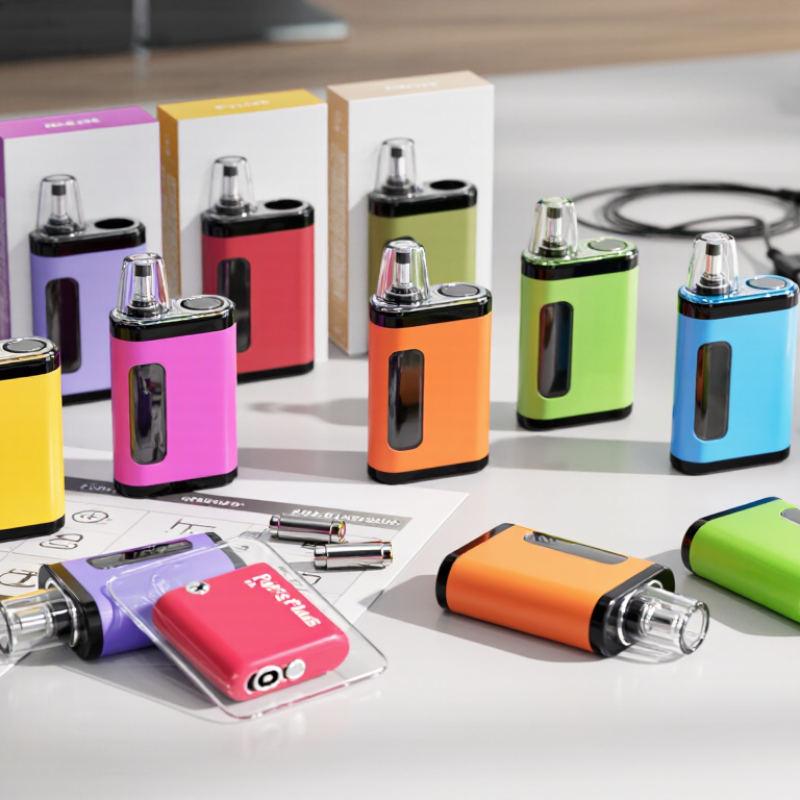
Understanding Puffs Plus Vapes and Their Product Categories
Vape products are commonly grouped by format: disposable devices, closed-pod systems, and refillable devices. Puff-count products describe an estimated number of draws, not a guaranteed lifespan. That label is less exact than it looks. Draw length, battery capacity, and liquid volume can all affect how long a device lasts. A printed count should therefore be checked against the device’s stated capacity and test method.
Disposable models combine the battery and liquid reservoir in one unit. Closed-pod systems use replaceable, prefilled pods, while refillable devices have a tank or cartridge users fill themselves. Each category differs in maintenance, component replacement, and waste. Small details matter. Grand View Research estimated the global e-cigarette and vape market at about US$26.2 billion in 2023, showing the scale of a fast-changing product sector. That market estimate does not verify any individual device’s quality or performance. Buyers comparing specifications can check battery details, capacity, materials, and independent test documentation, then confirm that products meet applicable local requirements. A clear product sheet is useful; vague puff claims are not.
Checking Regional Laws and Import Requirements for Vape Products
Cross-border vape shipments need a destination-by-destination compliance check. The WHO’s 2023 global tobacco report identified 121 countries with at least one measure regulating e-cigarettes, illustrating how widely requirements differ. A rule that applies to a device may not cover its liquid, nicotine concentration, or retail packaging. Check the importing country’s official customs and health-authority guidance before booking freight.
Start with product classification. The World Customs Organization’s Harmonized System, updated in 2022, introduced heading 2404 for certain nicotine and tobacco-substitute products intended for inhalation without combustion. This helps customs classify goods; it does not grant permission to import them. Confirm the local tariff code, import permits, duties, ingredient disclosures, labeling language, and any battery-transport documentation. Keep invoices and product specifications consistent. A small mismatch between carton labels and paperwork can delay clearance.
Rules shift. Requirements may also differ between national and subnational authorities. Ask a licensed customs broker or local regulator to verify the current rules, especially before changing a product formulation or destination. A spreadsheet is useful, but it can miss a local update. Check twice.
Evaluating Chinese Suppliers, Certifications, and Quality Controls
For global buyers, supplier evaluation should begin with traceable records, not polished product photos. Ask for the factory’s legal identity, production-site address, and quality-management documents. Verify certificates with the issuing organization, and check that each document covers the exact device model and manufacturing site. A certificate for a different product is not enough. Paperwork is not proof.
Quality controls should be visible in routine production. Request written inspection criteria for incoming materials, assembly, battery performance, leakage, and packaging. Ask how defects are logged and how affected batches can be traced. A useful sample review includes checking seams, mouthpiece fit, printed batch codes, and packaging seals under normal handling. Keep dated photos and test records. Small details matter.
Independent test reports can help assess materials and product consistency, but confirm the laboratory, test scope, and report date. Requirements differ by destination, so buyers should verify current local rules with qualified advisers before ordering. I would also request a sample from a regular production run, not only a hand-finished sales sample. That step takes time, and it may still miss problems. Supplier answers should be specific, documented, and consistent across visits and emails.
EU E-Cigarette Capacity Limits: A Supplier Compliance Check
For buyers assessing products intended for the EU market, the Tobacco Products Directive sets a maximum capacity of 10 mL for refill containers and 2 mL for cartridges or tanks used in electronic cigarettes. These are legal limits, not quality ratings, and rules may differ in other markets. Ask suppliers for product-specific test reports and compliance documentation, and verify requirements for each destination market.
Source: EU Tobacco Products Directive 2014/40/EU, Article 20(3).
Comparing Device Specifications, Ingredients, and Labeling
Comparing vape devices requires more than checking a puff-count claim. Record the battery capacity, charging method, liquid volume, and stated nicotine concentration. These figures describe different things. Puff counts are estimates, and they can change with draw length and device settings. Numbers can mislead.
Look for a complete ingredient list and clear concentration units. Nicotine is addictive, and ingredient disclosure does not establish that inhaling a liquid is safe. Check that the package identifies the manufacturer, batch or lot, and a way to verify product information. If the label is vague, damaged, or inconsistent with the package details, do not rely on it. A neat label is not proof of quality.
Compare labels side by side, not just promotional descriptions. Confirm that specifications use the same units; liquid volume and nicotine concentration cannot be compared as though they were equivalent. Read warnings and follow the device instructions. Details may still be missing. Regulations and product requirements vary by location, so check local rules before considering any purchase, and do not buy where the product is prohibited. For non-users, especially young people and people who are pregnant, avoiding vaping is the safer choice.
Planning Shipping, Customs Clearance, and Responsible Sales
International vape shipments need a destination-by-destination plan, not a generic “global” checklist. UNCTAD’s Review of Maritime Transport 2024 reports that ships carry over 80% of world trade by volume. That scale does not simplify customs. Before booking, confirm the destination’s product rules, tax treatment, required permits, and import documentation. Use an accurate product description and declared value; never rely on vague wording to avoid scrutiny.
Check the batteries and packaging with the carrier before dispatch. IATA’s Dangerous Goods Regulations set specific requirements for transporting lithium batteries, and carrier acceptance can vary by route and service. Keep invoices, origin records, battery specifications, and shipment references together. A missing document can delay a pallet at a warehouse for days. One weak point in many plans is assuming that a customs broker will catch every issue. They may not.
Responsible sales begin before the parcel leaves the warehouse. The WHO’s 2023 tobacco epidemic report counted 34 countries that banned e-cigarette sales and 74 without specific regulations at that time. Rules change, so verify current requirements with official authorities before accepting an order. Apply robust age checks, avoid youth-oriented promotion, and do not make unverified health claims. A neat checklist helps, but it cannot replace local advice when rules are unclear.