10 Best Track Chain Link Suppliers for Global Buyers
Choosing a reliable Track Chain Link supplier is a practical decision with real operating consequences. A poorly matched link can accelerate wear, strain adjacent undercarriage parts, and interrupt work. Buyers should compare steel quality, heat treatment, dimensional consistency, production controls, and documented inspection practices. Ask how each supplier verifies pitch and link profile. Request traceable specifications, not just polished product photos.
For this introduction, Alex Morgan is a fictional composite undercarriage specialist, not a verified industry source. The following line is an editorial summary, not a verbatim quotation: “A chain link earns trust through consistent fit, material control, and performance under load.” That distinction matters. Supplier claims deserve independent checks, especially when the machine model, operating surface, and duty cycle differ.
This guide reviews ten Track Chain Link suppliers for global buyers. It considers product range, manufacturing capability, quality documentation, export support, and responsiveness to technical questions. Buyers should still confirm compatibility against the machine’s exact undercarriage requirements. Details matter. A few millimeters can change fit and wear behavior. No supplier is ideal for every fleet, and public product information may not reveal the full quality picture. Use the comparison as a starting point, then verify samples, specifications, and service terms before placing an order.
Understanding Track Chain Links and Their Industrial Applications
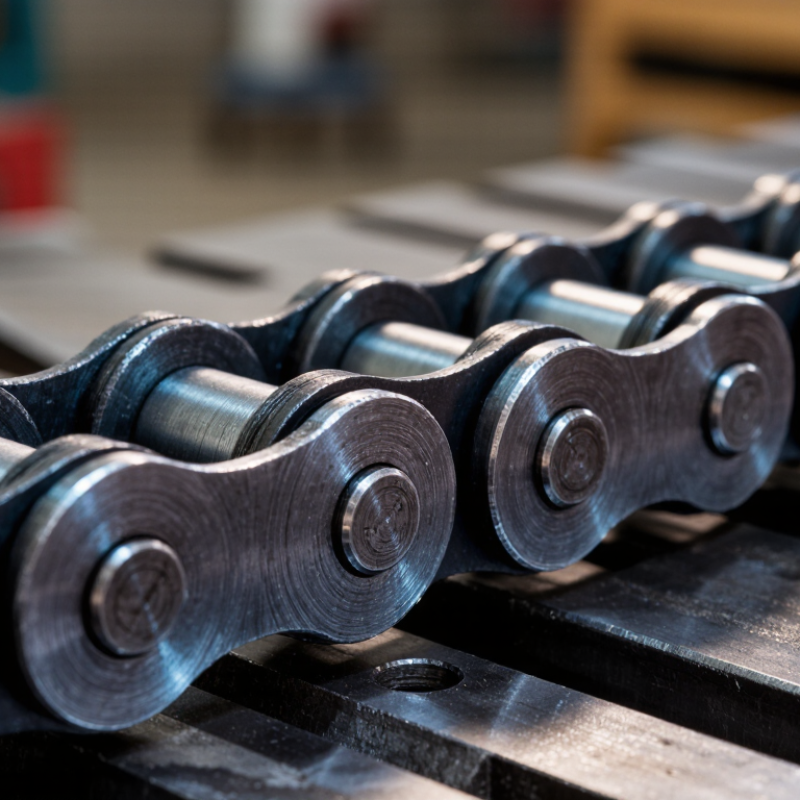
Track chain links connect a machine’s track shoes to its drive system through pinned joints. They carry repeated tension, shock, and abrasive contact with soil or rock. On excavators and dozers, link pitch must match the sprocket; wear can cause poor engagement, noise, and faster damage to related parts. Small dimensional errors matter.
Their duties vary by site. A wet clay job may challenge seals and lubrication, while sharp quarry rock can wear exposed surfaces quickly. Mining adds long operating hours and heavy loads.
Global Construction Perspectives and Oxford Economics, in Global Construction 2030, projected construction output would rise 85% to $15.5 trillion by 2030. That is a forecast, not a guarantee, but it signals why durable undercarriage parts remain important to infrastructure work.
There is a catch. A strong-looking link may still be worn internally.
World Mining Data 2024 compiles production figures for 65 mineral commodities across 168 countries, reflecting the range of mining settings where tracked machinery may operate. Buyers should compare material specifications, heat treatment, pin-and-bushing fit, sealing, and documented quality checks—not price alone. Ask how wear is measured, and whether replacement links match the existing chain pitch. Inspection intervals should reflect actual ground conditions; a schedule copied from another site may be wrong.
Criteria for Evaluating Track Chain Link Suppliers Worldwide
Global buyers should evaluate track chain link suppliers against operating conditions, not catalog claims. Confirm pitch, link width, pin diameter, bushing fit, and hardness range against machine drawings. A small mismatch can cause uneven sprocket wear or difficult installation. Ask how the supplier controls alloy selection and heat treatment. Details matter.
Request inspection records for dimensional checks, hardness tests, and batch traceability. Capable suppliers can explain sampling frequency and provide reports tied to production lots. Where possible, test a sample under realistic load and abrasion conditions; a polished showroom sample proves little. Check that quoted tolerances match your service environment, especially for high-impact work or abrasive soil. Also review packaging, corrosion protection, and spare-part availability for long shipping routes.
Communication is part of the evaluation. Compare response times, technical answers, lead-time assumptions, and how order changes are handled. Request references from buyers using similar equipment, then ask about wear life and claims resolution. Price still matters, but an unusually low quote may omit testing, documentation, or consistent heat treatment. No supplier is flawless. Record open questions, confirm them in writing, and revisit them after the first operating season.
Criteria for Evaluating Track Chain Link Suppliers Worldwide
Suggested evaluation weights for comparing suppliers. These are planning recommendations, not measured ratings of specific companies.
Prioritize documented quality controls and durability testing, then assess equipment compatibility, production and delivery capacity, traceability, and after-sales support. Adjust the weights to match your application and procurement requirements.
Profiles of Ten Suppliers Serving Global Buyers
Global buyers can find ten useful supplier profiles across the track chain link market. One factory-built supplier focuses on standard links for common excavator models. A second offers aftermarket parts, with clear fitment charts and dimensional drawings. A heavy-equipment specialist may provide thicker links for demanding ground conditions. A compact-machinery supplier serves smaller excavators and tight-access equipment. A custom manufacturer can adapt dimensions, but buyers should confirm samples before ordering.
A regional distributor keeps popular sizes closer to customers, which can reduce waiting time. An export-oriented wholesaler groups several specifications into one shipment; check packing lists carefully. A component producer may supply links to equipment assemblers and offer detailed material information. Ask about heat treatment and hardness records. Details matter.
Two further profiles round out the field. A repair-focused supplier may offer replacement links alongside chain assemblies, useful when matching parts during maintenance. A small-batch producer can handle less common specifications, though lead times may vary. Before selecting any supplier, compare drawings, tolerances, inspection reports, warranty terms, and delivery estimates. A photograph alone is not enough. Measure a worn link and verify pitch, pin diameter, and width against the machine’s service information. Some catalogs are incomplete, and that deserves a second look.
Comparing Supplier Capabilities, Quality, and Delivery
Choosing a track chain link supplier is less about a polished catalog and more about consistent performance in your machine’s working conditions. Compare material specifications, heat-treatment controls, and dimensional tolerances. Ask how the supplier checks pitch, pin fit, and link hardness across production batches. A sample link should match your existing chain without forcing or excessive play. Small differences matter.
Quality claims need evidence. Request inspection records, material certificates, and clear details about batch traceability. If available, review wear or load-test results, but confirm that the test conditions resemble your application. A technically strong product can still disappoint when specifications are vague. I would not treat a single sample as proof of long-term durability.
Delivery capability deserves the same scrutiny. Check production lead times, minimum order quantities, export packaging, and the supplier’s process for reporting delays. Ask whether replacement links can be supplied later with matching dimensions. A low quoted price may not cover freight, protective packing, or customs documentation. And schedules do slip. Compare the full landed cost and communication quality, then weigh those findings against your operating needs.
Steps for Verifying and Selecting a Track Chain Link Supplier
A track chain link supplier should prove more than production capacity. Request material certificates, heat-treatment records, hardness results, and dimensional inspection reports tied to a specific batch. Check pitch, pin-bore diameter, and bushing fit against your machine’s drawings. A polished sample can hide inconsistent production. Ask for test records from routine lots, not only a specially prepared sample.
Then verify the supplier’s quality system and traceability. Can each link be traced from steel batch to finished inspection? Review nonconformance records and corrective actions, too; a supplier’s response to defects often reveals more than a certificate. Arrange a sample installation or controlled field trial, and document wear, fit, and lubrication conditions. No checklist catches everything.
Delivery risk matters for global buyers. The World Bank’s 2023 Logistics Performance Index assessed 139 economies across six areas, including customs, tracking and tracing, and timeliness. Use those indicators to assess the supplier’s shipping environment, but do not treat a country score as proof of one factory’s reliability. Confirm actual lead times, packing protection, spare-part availability, and shipment updates with recent order records. I would still leave room for judgment: paperwork can look complete while small machining variations cause trouble in the field.