
Best Sea Water Pump for Efficient Marine Applications?

In the marine applications industry, the efficiency of a Sea Water Pump plays a crucial role. Expert marine engineer, Dr. Linda Wright, emphasizes, “The right Sea Water Pump can enhance performance and reduce costs.” Her insights highlight the importance of selecting the best pump for specific needs.

A reliable Sea Water Pump is essential in various maritime operations. From commercial shipping to recreational boating, these pumps ensure effective circulation and cooling. A well-chosen pump not only optimizes efficiency but also extends equipment life. Many operators overlook this vital aspect, leading to increased costs and maintenance issues.

Despite advancements, not all Sea Water Pumps meet the required standards. Some might fail under extreme conditions. It’s essential to prioritize quality over cost. Evaluating pump specifications and user feedback is necessary to avoid common pitfalls. A thoughtful approach will yield better outcomes and foster a more sustainable marine environment.
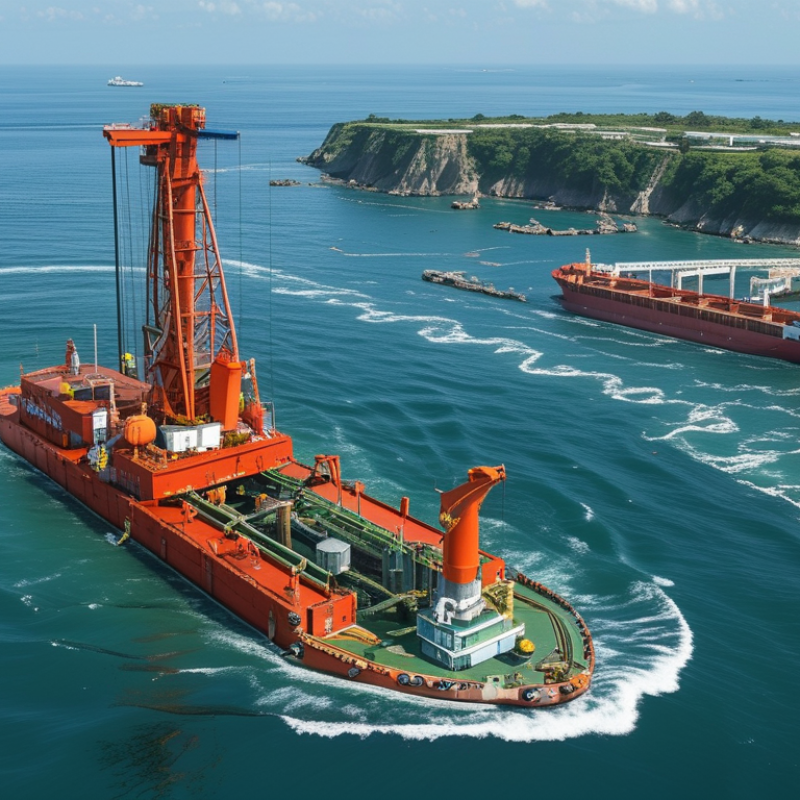
Best Sea Water Pump for Efficient Marine Applications?

What to Consider When Choosing a Sea Water Pump for Marine Applications

When choosing a sea water pump for marine applications, several factors come into play. The pump's material is crucial. It should resist corrosion from saltwater. Common materials include bronze and stainless steel. They withstand harsh marine environments effectively. Look for pumps with an anti-corrosive coating for added protection.


Next, consider the flow rate and pressure. Your specific application determines these needs. For cooling systems, a high flow rate may be essential. For other applications, lower rates suffice. Measuring required pressure before purchase is key. Efficiency and energy consumption also matter. A pump that uses less energy can save costs long-term, though initial costs may be higher.


Lastly, think about maintenance. Easy-to-maintain pumps ensure longevity. Check accessibility to parts and service. A reliable pump offers peace of mind but may need occasional reflection on efficiency over time. Planning for potential repairs can minimize unexpected downtime. Choosing the right pump is not just about the specifications. It involves understanding the real-world application and environment where the pump will operate.

Types of Sea Water Pumps: A Comprehensive Overview

When exploring sea water pumps, understanding the various types is essential for optimizing marine applications. Centrifugal pumps, for instance, are widely used due to their efficiency and ease of maintenance. These pumps typically provide high flow rates and are suitable for applications like cooling systems and bilge water management. A recent industry report highlights that over 60% of marine vessels utilize centrifugal pumps for freshwater generation and circulation.

In contrast, positive displacement pumps offer distinct advantages in low-flow, high-pressure environments. They are effective for transferring viscous fluids and can handle various marine applications. Research indicates a growing trend, with positive displacement pumps expected to capture 25% of the marine pump market by 2025. However, they require frequent maintenance, which can lead to downtime and increased operational costs.

It's important to note that various factors influence the choice of a sea water pump, such as efficiency, durability, and compatibility with different marine environments. Some operators may overlook the importance of pump materials, leading to corrosion issues. Inadequate understanding of pump specifications can result in inefficiencies. Expanding knowledge on these aspects helps operators make informed decisions, leading to more effective marine operations in the long run.

Key Features that Enhance Pump Efficiency for Marine Use

When selecting a sea water pump for marine applications, key features are crucial for enhancing efficiency. High corrosion resistance is critical, as sea water can be harsh on materials. Look for pumps made from robust materials like stainless steel or specialized plastics. This aspect not only extends the pump's lifespan but also reduces maintenance costs.

The pump's design plays a vital role in performance. A well-designed impeller can improve flow rates significantly. It helps the pump operate more smoothly and can lead to energy efficiency. Also, consider the pump's ability to handle solids. Models with better solids-handling capabilities can reduce blockages and downtime.

Energy efficiency is another important factor. Choosing a variable speed pump allows for adaptability to different operational needs. This flexibility can lead to lower energy costs over time. However, it is essential to monitor and evaluate the actual performance. Sometimes, what works well in theory might fall short in real-world conditions. This ongoing assessment can help in optimizing pump performance and efficiency over the long run.

Maintenance Tips for Long-Lasting Sea Water Pump Performance

Maintaining a sea water pump is crucial for performance and longevity. Regular inspections should be part of your routine. Experts recommend checking the seals and bearings monthly. A small crack can lead to major leaks. Ensure you also clean the inlet strainer to prevent debris buildup. According to a 2022 marine equipment report, improper maintenance can reduce pump efficiency by up to 30%.

Understanding the type of pump is essential. Different models have specific maintenance needs. Some pumps may require more frequent lubrication than others. Industry studies suggest that neglect can lead to early failures. Regularly replace worn-out parts to avoid unexpected breakdowns. Utilize high-quality lubricants, as they significantly impact the pump's life.

Moreover, operators should monitor the temperature and vibration levels. Abnormal readings might indicate potential failures. An analysis from the Maritime Equipment Council states that 20% of pump failures occur due to overheating. Creating a maintenance log can help track issues over time. This reflection aids in recognizing patterns and making adjustments. Regular upkeep ensures your sea water pump remains reliable and efficient.

Performance Comparison of Various Sea Water Pumps

This bar chart illustrates the flow rates of various sea water pump models, aiding in the selection of an efficient pump for marine applications. Regular maintenance is crucial to ensure long-lasting performance.

Comparing Leading Brands for Sea Water Pumps in Marine Applications

When selecting a sea water pump for marine applications, various factors come into play. Efficiency is crucial, especially given the demanding conditions in marine environments. Key metrics include flow rate, energy consumption, and the materials used. Different pumps suit different needs, and understanding these nuances can enhance overall performance.


Many brands offer sea water pumps designed for durability. Pumps made from corrosion-resistant materials usually perform better over time. However, not all pumps are equal. Some may fail under high-pressure conditions, leading to costly repairs. Reliability is essential in marine applications, where compromised equipment can disrupt operations. Investing in a reputable pump may alleviate future concerns.


User experiences often highlight factors like ease of installation and maintenance. Some pumps boast user-friendly designs, while others can be complex. It's important to consider maintenance requirements before purchasing. In the end, the right choice should reflect operational needs and environmental challenges. Thorough research and user feedback can guide potential buyers in their decision-making process.

Learn More

Connect with us today to learn more about our industrial automation solutions—and how to commission them for your application.