What Is the Best PTO Chipper Shredder in 2026?
Choosing the best Pto Chipper Shredder in 2026 requires more than comparing horsepower and price. Real performance depends on tractor compatibility, feed capacity, rotor design, and service access. A machine that looks powerful may still struggle with wet branches, uneven loads, or limited hydraulic flow. That difference becomes obvious after several hours in the field.
Agricultural machinery expert Scott Shearer offers a useful principle: “Match the machine to the work, not the other way around.” That advice shapes this guide. The strongest Pto Chipper Shredder should process the wood you actually handle, using your tractor’s available power safely and consistently. Buyers should check PTO speed, input shaft protection, discharge control, chute height, and replacement blade costs. These details matter more than attractive brochure claims.
Field experience also exposes weaknesses that specifications cannot show. Some units feed smoothly but demand frequent cleaning. Others produce fine chips but vibrate heavily on larger limbs. Noise, storage space, and operator fatigue deserve attention too. I would not call one model perfect. That would be careless. The best choice depends on workload, terrain, maintenance habits, and budget.
This 2026 comparison examines leading models through practical criteria. It considers cutting performance, build quality, ease of adjustment, safety features, and long-term ownership value. The goal is simple: identify the Pto Chipper Shredder that delivers dependable results without forcing your tractor or operator beyond reasonable limits.
What Is a PTO Chipper Shredder and How Does It Work?
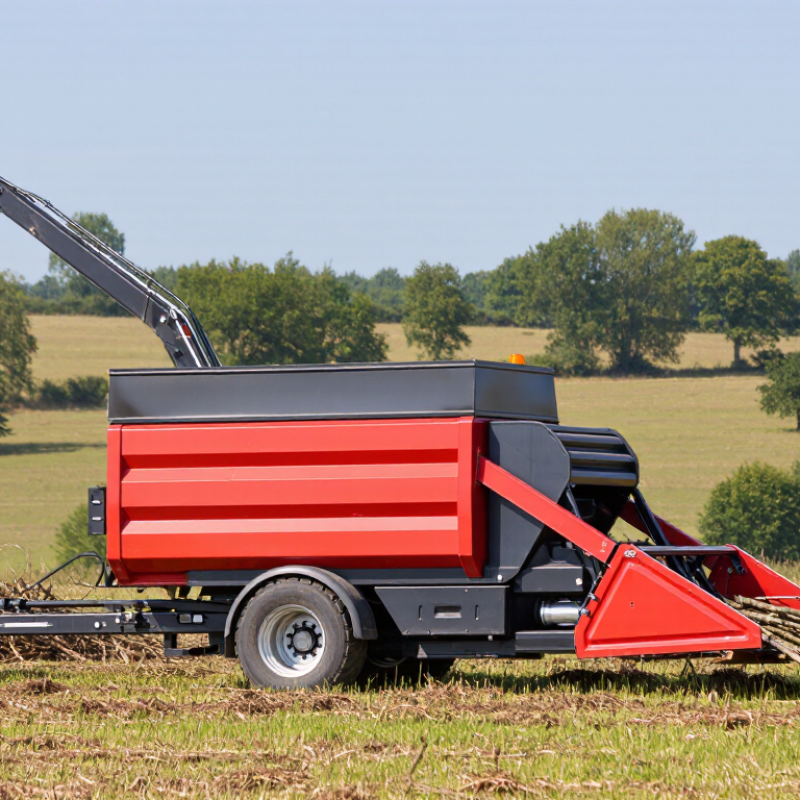
A PTO chipper shredder uses a tractor’s power take-off to process branches, brush, and garden waste. The tractor transfers rotating power through a PTO shaft to the machine’s cutting rotor. Inside the housing, sharp knives chip larger branches, while smaller hammers or blades shred softer material. The processed debris exits through a discharge chute.
In practical use, the tractor must provide enough horsepower and stable PTO speed. Most agricultural models operate near 540 revolutions per minute, but operators should confirm the machine’s specifications. A heavy flywheel stores rotational energy and helps the cutter handle uneven branches. Feed rollers may pull material inward, although damp or twisted brush can still cause bridging. That detail is easy to underestimate.
Safe operation depends on preparation. Inspect the PTO guard, shear bolt, hopper, knives, and discharge area before starting. Keep loose clothing and hands away from the feed opening. Use a long branch tool instead of pushing material manually. Stop the tractor, disengage the PTO, and wait for every moving part to stop before clearing a blockage. Hearing protection and eye protection are sensible choices.
The best PTO chipper shredder in 2026 should match the tractor, not only the advertised capacity. Check maximum branch diameter, rotor design, maintenance access, and replacement-part availability. A larger intake may look impressive, but it can waste power when the tractor is undersized. I would also question confusing capacity claims. Real conditions include wet wood, crooked branches, and tired operators. Those factors often matter more than a specification sheet.
Key Features of a High-Quality PTO Chipper Shredder
What Is the Best PTO Chipper Shredder in 2026?
Key Features of a High-Quality PTO Chipper Shredder
A high-quality PTO chipper shredder starts with dependable tractor compatibility. Check the required horsepower, PTO speed, shaft size, and three-point hitch category before buying. A mismatch can cause poor performance or expensive damage. The machine should have a balanced rotor and hardened cutting knives. These parts handle branches more smoothly and reduce vibration during steady use. Look for an adjustable discharge chute, especially when directing chips into a trailer or compost area. Small controls matter in real work.
Safety features deserve equal attention. A wide feed chute can accept branches without constant trimming, but it must include a strong guard or controlled feeding system. An emergency shutoff should be easy to reach from the operator’s position. Protective covers should shield belts, shafts, and rotating components. Keep hands away. Never treat a quiet machine as a safe machine.
Maintenance access also separates durable equipment from frustrating equipment. Grease points should be visible, and knives should be removable without dismantling half the frame. A clear manual should list torque settings, lubrication intervals, and approved replacement parts. I would also inspect the frame welds and hitch before trusting online specifications. Numbers can look impressive. They do not reveal every weak joint. Weight distribution matters too, because an oversized unit may strain a smaller tractor on uneven ground. My own preference would be practical capacity over the largest advertised opening.
Safety, Tractor Compatibility, and Maintenance Requirements
The best PTO chipper shredder in 2026 should be judged by safety before capacity. The U.S. Bureau of Labor Statistics recorded 502 fatal work injuries in agriculture, forestry, fishing, and hunting during 2023. That figure makes guarding more than a specification. It is a daily responsibility. Choose a fully shielded PTO driveline, an accessible emergency stop, and a verified shear-bolt or slip-clutch system. OSHA’s agricultural equipment rules also emphasize guarding rotating power parts. Never reach into the hopper while the rotor coasts. It can remain dangerous longer than expected.
Tractor compatibility requires careful measurement. Match the chipper’s required PTO horsepower, speed, three-point hitch category, lift capacity, and hydraulic flow. A 540-rpm implement on a 1,000-rpm setting can overspeed the rotor within seconds. Check driveline length at full lift and during turns. The shaft should not bind or separate. Add front ballast when the attachment makes the rear feel heavy. I would not rely on horsepower alone. That shortcut is tempting, but flawed.
Maintenance separates a dependable machine from an expensive accident. Before each use, inspect PTO shields, knives, the anvil, belts, bearings, fasteners, and grease points. Replace damaged shields immediately. Shut down the tractor, remove the key, disengage the PTO, and wait for every moving part to stop before clearing material. Industry safety investigations from NIOSH repeatedly identify unexpected movement and unguarded rotating parts as recurring hazards. Maintenance schedules vary by design. Record service hours, but inspect more often in dusty, wet, or rocky conditions. Expect some uncertainty. Real field wear rarely matches the brochure.
What Is the Best PTO Chipper Shredder in 2026?
Safety, tractor compatibility, and maintenance requirements by typical PTO chipper class
Light-duty PTO chippers commonly suit compact tractors rated around 20–35 PTO horsepower, medium-duty models typically require approximately 35–60 PTO horsepower, and heavy-duty machines often need about 60–100 PTO horsepower. Regardless of class, operators should verify the tractor’s PTO speed, use a fully guarded driveline, follow the manufacturer’s shear-bolt or clutch requirements, grease moving components at the specified intervals, and inspect knives, belts, fasteners, and safety guards before operation. These ranges are general selection guidance; the equipment manual always takes priority.
How to Choose the Best PTO Chipper Shredder in 2026
Choosing the best PTO chipper shredder in 2026 starts with your tractor, not the machine’s largest advertised capacity. Check the tractor’s PTO horsepower, shaft size, rotation speed, and lifting ability. A mismatch can cause poor feeding or dangerous vibration. Measure your typical branches, including their diameter and moisture level. Hard, freshly cut wood often demands more power than dry limbs. Select a feed opening slightly above your usual workload, rather than paying for unused capacity.
Look closely at the rotor, knives, bearings, and discharge chute. Replaceable knives reduce long-term repair costs, while a balanced rotor helps control vibration. Easy access to service points matters after a muddy afternoon in the field. Read the manual before buying. It should explain maintenance intervals, compatible PTO speeds, emergency stops, and required protective equipment. Independent testing, clear specifications, and available replacement parts are stronger evidence than impressive sales language. I once underestimated maintenance time; that mistake changed how I compare machines.
Tips: Keep the PTO shaft correctly guarded and never exceed its rated speed. Feed branches gradually. Stop the tractor before clearing jams. Check bolts and knife sharpness regularly. A small notebook helps track servicing, though I sometimes forget to update mine.