What Are the Best Pool Cleaning Accessories from China?
Choosing the best Pool Cleaning Accessories from China starts with matching each tool to your pool, not with the lowest quoted price. Chinese manufacturers offer a wide range of products, from leaf skimmers and wall brushes to vacuum heads, hoses, and replacement parts. Availability alone does not prove suitability. Compare materials, dimensions, connection types, and care instructions before placing an order.
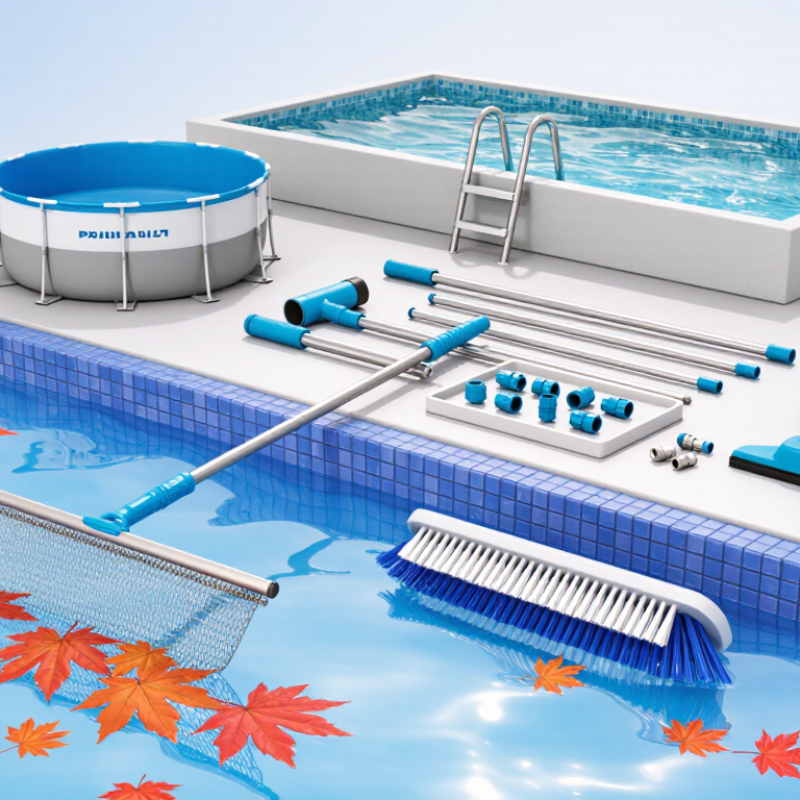
Picture a net collecting maple leaves after a windy afternoon, or a brush reaching the tile line without scratching the surface. These practical details reveal whether a product fits your routine. Small details matter. Check pole length, net depth, bristle stiffness, hose compatibility, and whether parts can be replaced. Ask for product specifications and clear photos, then request a sample when the order size or application warrants one. For bulk purchases, confirm packaging, inspection procedures, and the supplier’s response process for defects.
There is no single kit that suits every pool. A small above-ground pool may need a compact skimmer and simple brush, while a larger in-ground pool could require a longer pole and compatible vacuum equipment. Even careful checks have limits: a sample may not represent every item in a production run, and supplier descriptions can leave questions unanswered. Ask direct questions and keep written records. This guide looks at the main accessory types, the features worth comparing, and sensible ways to assess suppliers in China. The aim is a dependable fit for your cleaning needs—not a promise that one product works for everyone.
Types of Pool Cleaning Accessories Made in China
Types of Pool Cleaning Accessories Made in China
China-made pool cleaning accessories range from simple hand tools to powered equipment. Common items include leaf skimmers, wall brushes, telescopic poles, vacuum heads, flexible hoses, and robotic cleaners. Many manufacturers also produce replacement filter cartridges and water-testing kits. The Pool & Hot Tub Alliance’s 2024 Fact Book estimates about 10.7 million residential swimming pools in the United States. That installed base helps explain steady demand for practical maintenance tools. Grand View Research valued the global swimming pool equipment market at approximately US$13.9 billion in 2023, covering a broader category than cleaning accessories alone.
For everyday debris, a fine-mesh skimmer net catches small leaves before they sink. Nylon-bristle brushes suit many pool surfaces, while vacuum heads with wheels can move more smoothly across flat floors. Telescopic poles should lock firmly; loose joints make brushing frustrating. Powered cleaners may reduce manual work, but check their pool-shape compatibility, cable length, and replacement-part availability. Product quality can vary between factories. I would inspect samples and test fittings before placing a large order; a neat finish does not guarantee durable seals.
Tips: Match brush stiffness to the pool surface. Rinse hoses after use, and store poles out of direct sun. Check that connectors fit your existing equipment. Little details matter.
How Each Accessory Supports Pool Maintenance
A surface skimmer removes leaves before they sink and stain the pool floor. A telescopic pole makes it easier to reach corners, but loose joints can wobble. Check the locking clips before working over deep water. A nylon-bristle brush suits many plaster surfaces; softer materials may need gentler bristles. Brush steps and waterlines, where sunscreen residue often collects. Small details matter.
A manual vacuum lifts settled grit, while a leaf rake handles larger debris. A robotic cleaner can reduce repetitive floor and wall scrubbing, but it still needs its filter basket emptied. Match the vacuum head and hose to the pool’s surface and circulation system. A poor fit means slow cleaning, not better cleaning. For routine care, inspect the pump basket and filter pressure gauge after vacuuming; clogged filters can restrict circulation.
A reliable test kit supports chemical decisions that brushes cannot. The CDC’s 2023 Model Aquatic Health Code gives a pH range of 7.0–7.8 and a minimum free-chlorine level of 1 ppm for pools; with cyanuric acid, the minimum is 2 ppm. Test strips are quick, though faded or damp strips can mislead. I would keep them sealed and compare readings in good light. No accessory fixes neglected water testing.
Materials and Features That Affect Performance
What Are the Best Pool Cleaning Accessories from China?
Materials and Features That Affect Performance
Pool accessories face a harsh mix of sunlight, chlorine, grit, and repeated bending. UV-stabilized polypropylene bristles resist becoming brittle. Aluminum poles stay light, while stainless-steel fittings generally resist corrosion better than plain steel. A rough seam can still scratch a pool liner, so smooth edges matter as much as material choice. That detail is easy to miss.
The CDC’s Model Aquatic Health Code sets pool-water operating benchmarks, including pH of 7.0–7.8 and at least 1 ppm free chlorine for conventional pools. These conditions help explain why chemical-resistant plastics and corrosion-resistant fasteners matter. When sourcing from China, ask suppliers for material specifications, replacement-part availability, and clear product dimensions. Check that telescoping poles lock firmly and brush heads fit securely. A good-looking finish alone proves little.
Tips: Rinse accessories after use. Dry them in shade. Check pole threads monthly. Even durable parts wear out; inspect bristles and fittings rather than assuming they will last.
How to Compare Quality, Compatibility, and Safety
When sourcing pool-cleaning accessories from China, compare materials, fit, and test evidence—not just polished photos. Ask for the mesh grade, pole diameter, connector thread, and stated chemical or UV resistance. A leaf net may look sturdy but loosen at its socket after repeated twisting. Request a production sample and check the joint under load. Small detail. It matters. For pumps and electrical components, review applicable test documentation, such as certification to relevant UL or IEC standards, and confirm the product’s voltage and installation requirements with a qualified professional. I would still avoid treating a supplier’s general “high quality” claim as proof; it is an easy detail to overlook.
Compatibility deserves a physical check. Compare measurements with your existing pole, skimmer, hose, or cleaner, and confirm whether adapters are included. Ask for clear drawings and a written list of compatible connection sizes. For safety context, the U.S. Consumer Product Safety Commission’s 2024 Submersion Report recorded an average of 385 fatal child drownings in pools or spas each year from 2020 to 2022. Cleaning tools do not prevent drowning, so keep them separate from barriers, supervision, and other safety measures. Check instructions for sharp edges, pinch points, and safe handling around water, then retain the inspection and test records for the batch you purchase.
Choosing Accessories for Different Pool Types and Needs
Pool accessories work best when they fit the pool’s size, surface, and cleaning routine. For a large in-ground pool, a telescopic pole, a fine-mesh leaf net, and a vacuum head with wheels can make weekly cleaning less tiring. Choose a brush suited to the finish: softer bristles for vinyl, and firmer, compatible bristles for concrete. Check the connection size before ordering. A mismatch can turn a useful tool into clutter.
Above-ground pools often need lighter equipment and gentle handling. A compact skimmer net and a vacuum designed for smaller pools may be easier to maneuver around a flexible liner. Keep it simple. For pools near trees, prioritize a durable leaf net and a basket that is easy to empty. Saltwater pools also call for corrosion-resistant fittings; rinse metal parts after use, since resistance does not mean they are maintenance-free.
When comparing accessories made in China, review material details, dimensions, and replacement-part availability rather than relying on broad product claims. Ask for clear photos of connectors and brush edges, then compare them with your pool equipment. A sample can reveal rough seams or a loose handle before a larger order. Specifications still need a second look: even a well-made accessory may not suit your pool.
