Top 10 Benefits of Using VFD Controllers in Industrial Applications
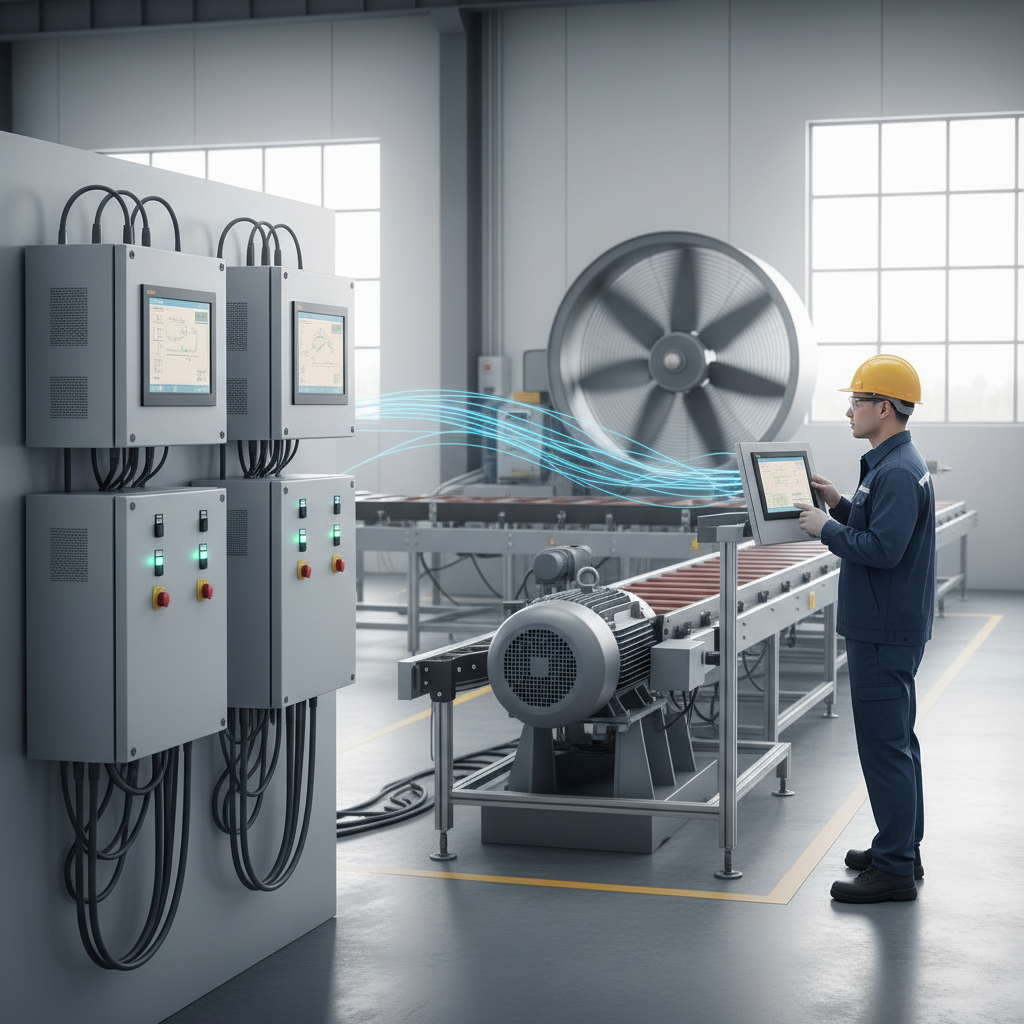
In today's rapidly evolving industrial landscape, the adoption of Variable Frequency Drive (VFD) controllers has emerged as a transformative solution for enhancing operational efficiency and reducing energy consumption. According to a report by the International Energy Agency, industrial motors account for nearly 70% of the total electricity used in industrial applications. By integrating VFD controllers, facilities can optimize motor performance, leading to substantial energy savings estimated at around 30-50%, depending on the application. This significant reduction in energy use not only lowers operational costs but also contributes to sustainability goals within the industry.
Furthermore, a study by the U.S. Department of Energy highlights that approximately 2 million VFDs are currently in industrial use, with projections indicating a continued rise in adoption as companies seek to automate processes and improve flexibility. VFD controllers enable precise control over motor speed and torque, facilitating smoother operation and prolonging the lifespan of equipment.
As industries strive for enhanced productivity and sustainability, the benefits provided by VFD controllers become increasingly vital, positioning them as an essential component in modern industrial applications.
Enhanced Energy Efficiency with VFD Controllers in Industrial Settings
Variable Frequency Drives (VFDs) are transforming the landscape of energy usage in industrial applications. By precisely controlling the speed of electric motors, VFDs optimize performance and reduce energy consumption. This enhanced energy efficiency is crucial in industries where motors account for a significant portion of energy costs. With VFDs, facilities can achieve energy savings of 20-50%, translating to substantial cost reductions over time.
In addition to direct energy savings, VFDs contribute to a more sustainable operation by minimizing energy waste. By adjusting motor speed to actual load conditions, VFDs prevent unnecessary energy drain that typically occurs with constant-speed motors. This capability not only lowers operational expenses but also decreases the environmental impact of industrial processes. Furthermore, VFDs aid in prolonging equipment life by reducing mechanical wear and tear, leading to fewer replacements and lower maintenance costs. As industries increasingly adopt VFD technology, the dual benefits of enhanced efficiency and sustainability will become even more evident.
Reduction in Operational Costs Through Variable Frequency Drives
Variable Frequency Drives (VFDs) are increasingly adopted in industrial applications due to their significant impact on operational costs. By adjusting the speed and torque of electric motors, VFDs allow for precise control over machinery, which leads to improved energy efficiency. When motors operate at only the power required for specific tasks, rather than running at full capacity all the time, energy consumption decreases dramatically. This reduction in energy usage translates directly to lower electricity bills, contributing to overall cost savings for businesses.
Moreover, VFDs help to minimize wear and tear on equipment, leading to decreased maintenance costs. The ability to start and stop motors smoothly reduces mechanical stress and extends the lifespan of pumps, fans, and compressors. When machinery experiences less strain, the frequency of repairs and replacements diminishes, resulting in further financial benefits. Thus, the use of VFD controllers fosters not only a more sustainable approach to industrial operations but also bolsters the bottom line by cutting unnecessary expenditures.
Top 10 Benefits of Using VFD Controllers in Industrial Applications
| Benefit |
Description |
Cost Reduction (%) |
| Energy Savings |
VFDs adjust motor speed and torque to match the load requirements, leading to significant energy savings. |
30% |
| Reduced Wear and Tear |
Smooth acceleration and deceleration reduce mechanical stress on motors and connected equipment. |
20% |
| Lower Maintenance Costs |
Decreased wear leads to longer equipment life and lower maintenance frequency. |
25% |
| Improved Process Control |
VFDs provide precise control of motor speed and torque, enhancing process performance. |
15% |
| Extended Equipment Life |
VFDs minimize cycling and shock loads, contributing to longer machinery lifespan. |
18% |
| Better Startup Performance |
Controlled ramp-up of speed reduces electrical stress and improves reliability. |
10% |
| Reduced Noise and Vibration |
Gradual acceleration minimizes operational noise and vibrations in machinery. |
12% |
| Enhanced System Efficiency |
Optimized control translates to better overall efficiency of the system. |
28% |
| Lower Utility Costs |
Reduced peak demand as motors operate at lower load conditions, translating into lower bills. |
22% |
| Scalability and Flexibility |
Easily adjustable for a range of applications and system demands, providing operational flexibility. |
15% |
Improvement of Equipment Longevity and Maintenance Intervals via VFD Technology
Variable Frequency Drives (VFDs) are revolutionizing the way industries manage their equipment and maintenance practices. By allowing for precise control of motor speed and torque, VFDs significantly reduce mechanical stress on machinery. According to a report by the U.S. Department of Energy, implementing VFD technology can extend equipment lifespan by approximately 20-30%. This increased longevity leads to fewer breakdowns and lower repair costs, ultimately resulting in a more reliable production process.
Additionally, VFDs optimize the operational efficiency of motors, which can contribute to longer maintenance intervals. With reduced wear and tear, industries can expect maintenance schedules to be stretched by up to 50%. A study published by the Institute of Electrical and Electronics Engineers (IEEE) found that plants using VFDs experienced a 25% decrease in maintenance costs over a three-year period. This not only alleviates the financial burden on companies but also enhances productivity by minimizing downtime, allowing for a more streamlined approach to industrial operations.
Minimization of Mechanical Stress in Machinery Using VFD Controllers
Variable Frequency Drives (VFDs) play a critical role in minimizing mechanical stress in machinery across various industrial applications. By allowing precise control over motor speed and torque, VFDs reduce the abrupt starts and stops commonly associated with traditional motor control methods. According to a report by the Electric Power Research Institute, reducing mechanical stress can lead to a 30% increase in equipment lifespan and a 20% reduction in maintenance costs. This is particularly vital in industries where machinery operates under high-load conditions, as excessive mechanical stress can lead to premature wear and failure.
Moreover, VFDs facilitate smoother acceleration and deceleration profiles, which significantly alleviates the strain on mechanical components such as gears, belts, and bearings. A study published in the Journal of Cleaner Production showed that implementing VFD technology resulted in a 25% reduction in energy consumption while simultaneously decreasing mechanical vibrations by 40%. This convergence of energy efficiency and reduced mechanical stress underscores the importance of VFDs in promoting not only the longevity of machinery but also operational sustainability. Hence, industries that adopt VFD controllers not only protect their equipment investment but also enhance their ability to meet increasing environmental regulations.
Enhanced Process Control and Accuracy Achieved with VFD Integration
The integration of Variable Frequency Drives (VFDs) in industrial applications significantly enhances process control and accuracy. By allowing precise adjustments to motor speed and torque, VFDs enable more accurate control over various industrial processes. This capability is crucial in applications such as pumps, fans, and conveyors, where optimal performance directly impacts productivity and energy efficiency. The ability to finely tune operations not only reduces waste but also contributes to sustainable practices, aligning with current environmental standards and business efficiency goals.
Moreover, the growing emphasis on automation in industries further drives the adoption of VFD technology. As businesses seek to enhance output and minimize downtime, integrating VFDs becomes a strategic solution. These controllers allow for seamless communication within automated systems, facilitating better data exchange and operational oversight. This integration leads to enhanced monitoring capabilities and predictive maintenance, which ultimately improve overall process reliability and reduce operational costs. The promising growth of the VFD market underscores the increasing investment in technologies that support advanced process control and precision across various sectors.