
Connect with us today to learn more about our industrial automation solutions—and how to commission them for your application.
Top 10 Benefits of Using AC Motor VFD for Energy Efficiency and Performance
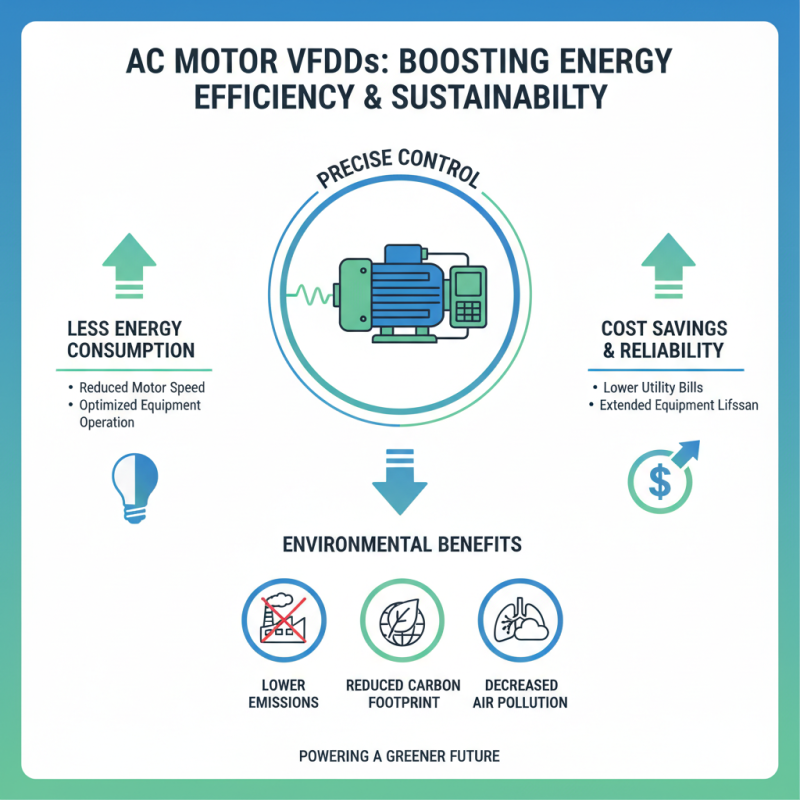
In today's rapidly evolving industrial landscape, energy efficiency and performance optimization have become paramount for businesses striving for sustainability and cost-effectiveness. One of the most effective solutions to achieve these goals is the utilization of AC motor VFD (Variable Frequency Drive) technology. By controlling the speed and torque of AC motors, VFDs not only enhance operational efficiency but also significantly reduce energy consumption. This makes them an invaluable tool for modern industries seeking to minimize their environmental impact while maximizing productivity.
The adoption of AC motor VFDs has witnessed a remarkable rise, as organizations increasingly recognize the multifaceted benefits that these systems offer. From improving process control to extending equipment lifespan, the advantages are both immediate and long-lasting. With the ability to adapt motor speed to actual load requirements, AC motor VFDs eliminate unnecessary energy waste and allow for precise operational adjustments that can lead to higher performance levels.
As we delve into the top ten benefits of using AC motor VFD technology, we will explore how these systems not only contribute to enhanced energy efficiency but also drive superior performance across various applications. Understanding these benefits can empower businesses to make informed decisions that align with both their operational goals and sustainability commitments.

Table of Contents
[Hide]
Overview of AC Motors and Variable Frequency Drives (VFD)
AC motors are widely used in various industrial applications due to their robustness and efficiency. An AC motor converts electrical energy into mechanical energy through the interaction of magnetic fields, often providing a reliable solution for high-torque applications. According to a report by the U.S. Department of Energy, AC motors account for nearly 60% of the electrical energy consumed by the industrial sector, illustrating their significant impact on energy consumption and operational costs. Implementing energy-saving technologies in AC motors is crucial for boosting efficiency and reducing the environmental footprint.
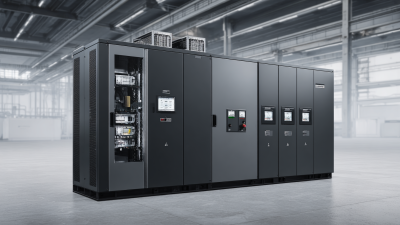
Variable Frequency Drives (VFDs) play a pivotal role in enhancing the performance of AC motors by regulating their speed and torque. By adjusting the frequency and voltage supplied to the motor, VFDs enable precise control over motor operations, which can lead to substantial energy savings. A study published in the journal "Energy" noted that VFDs could reduce energy consumption by up to 50% in certain applications, such as pumps and fans, where speed adjustment is frequently required. This adaptability not only improves energy efficiency but also extends the lifespan of the equipment by decreasing wear and tear. Furthermore, as industry standards continue to evolve, the integration of VFD technology into AC motor systems is becoming increasingly essential for meeting stringent energy efficiency regulations and optimizing operational performance.
Top 10 Benefits of Using AC Motor VFD for Energy Efficiency and Performance
| Benefit | Description | Impact on Energy Efficiency |
|---|---|---|
| Energy Savings | Reduces energy consumption by adjusting motor speed to the required load. | Up to 60% energy savings possible. |
| Improved Motor Control | Provides precise control over motor speed and torque. | Enhances overall system performance. |
| Reduced Wear and Tear | Minimizes mechanical stress by avoiding sudden starts and stops. | Extends equipment lifespan. |
| Lower Maintenance Costs | Less frequent maintenance required due to reduced wear. | Cost savings on maintenance. |
| Enhanced System Flexibility | Easily adjusts to changing production requirements. | Increases productivity and efficiency. |
| Reduced Noise Levels | Operates at lower speeds when possible, reducing operational noise. | Contributes to a quieter working environment. |
| Improved Process Control | Allows for better synchronization of processes. | Optimizes overall system efficiency. |
| Power Factor Correction | Can improve the power factor, reducing demand charges. | Further reduces energy costs. |
| Integration with Automation Systems | Easily integrates with SCADA and PLCs for advanced monitoring. | Enhances overall operational visibility. |
| Sustainability Benefits | Reduces overall carbon footprint through energy efficiency. | Contributes to environmental sustainability goals. |
Related Posts
-
10 Best VFD Controllers You Need to Know for Optimal Performance
-
Exploring Innovative Alternatives to Frequency Drive Controllers for Enhanced Performance
-

Exploring Motor Frequency Converter Alternatives for Enhanced Energy Efficiency and Performance
-
Unlocking Energy Efficiency: How Motor Frequency Converters Transform Industrial Operations
-
Understanding the Benefits of Variable Speed Drives in Modern Industry
-
7 Reasons Why the Best 220v VFD Single Phase is a Game Changer for Your Business