
What is Aluminium Door Jamb Extrusion and Its Benefits?

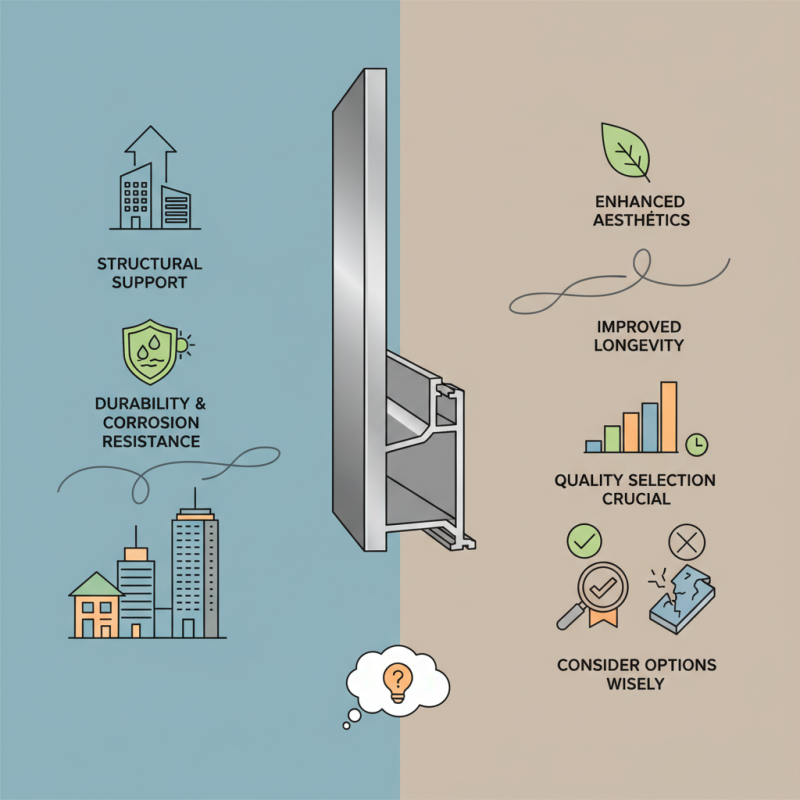
Aluminium Door Jamb Extrusion is an essential element in modern construction. It provides structural support and enhances aesthetics. This material is known for its durability and resistance to corrosion. Builders and architects favor aluminium for both residential and commercial projects.

Choosing Aluminium Door Jamb Extrusion can significantly improve a building's longevity. It withstands various weather conditions. Yet, it's crucial to assess the quality of the extrusion. Not all products meet high standards. Inferior options may lead to premature wear and structural issues.

Overall, the benefits of Aluminium Door Jamb Extrusion are clear, but careful selection is paramount. Quality matters in construction. Investing time in research can prevent potential challenges. Consider your options wisely to ensure lasting results.
What is Aluminium Door Jamb Extrusion and Its Benefits?

What is Aluminium Door Jamb Extrusion?

Aluminium door jamb extrusion refers to the process of shaping aluminium into door frames or jambs. These are essential components that support doors and enhance their functionality. The extrusion process allows for precise dimensions and a range of styles, making it a popular choice in the construction industry.

A report from the Aluminium Association highlights a growing preference for aluminium materials due to their durability and low maintenance. Aluminium jambs resist corrosion, making them suitable for various environments. In terms of energy efficiency, aluminium door jambs can contribute to better insulation when paired with proper sealing techniques. This leads to reduced energy consumption in buildings.

However, the aesthetic appeal of aluminium door jambs can sometimes be overlooked. While they provide functional benefits, some designs may lack the warmth and style of traditional materials. Builders need to balance practicality with design to create inviting spaces. Moreover, understanding the specific needs of each project is crucial. Failure to do so might result in choosing unsuitable materials for specific climatic conditions.

Benefits of Aluminium Door Jamb Extrusion

Key Properties and Materials Used in Aluminium Door Jamb Extrusions

Aluminium door jamb extrusions serve as the structural framework for door installations. They offer various benefits, including durability and resistance to environmental factors. One key property of these extrusions is their corrosion resistance. According to industry reports, aluminium can withstand oxidative damage, extending its lifespan significantly compared to wood or steel.

The materials used in aluminium extrusions often include various alloys, primarily 6063 and 6061. These alloys are noted for their excellent machinability and strength. A study by the Aluminium Association indicates that extrusions can achieve a tensile strength of over 240 MPa, making them robust enough for heavy-duty applications. This strength is essential in locations with high traffic or extreme weather conditions.

Aluminium door jambs typically undergo anodization, enhancing their surface properties. This process can improve aesthetics and functionality, yet not all extrusions are treated the same. Factors like inconsistent thickness or poor surface finishes can lead to issues. Some manufacturers may not prioritize quality control, creating variations in performance. Evaluating potential suppliers is crucial to ensure reliability.

Advantages of Aluminium Door Jamb Extrusions in Construction

Aluminium door jamb extrusions are increasingly popular in modern construction. Their lightweight nature and strength make them ideal for various door frames. These extrusions provide a versatile solution that can adapt to different architectural styles. They come in various finishes, enhancing the aesthetic appeal of buildings.

One significant advantage of aluminium door jambs is their durability. Unlike wood, aluminium does not warp or split over time. This stability ensures a long lifespan, reducing the need for frequent replacements. They also resist corrosion, making them suitable for both indoor and outdoor use. This resistance contributes to lower maintenance costs.

In terms of energy efficiency, these extrusions can be designed with thermal breaks. This feature helps in insulating spaces, which is particularly beneficial in extreme weather conditions. However, the initial cost may be higher than traditional materials. Construction teams must weigh the long-term benefits against upfront expenses. Still, the overall value often justifies the investment, especially in high-traffic areas where door strength is paramount.

What is Aluminium Door Jamb Extrusion and Its Benefits? - Advantages of Aluminium Door Jamb Extrusions in Construction

Feature Description Benefits
Durability Aluminium extrusions are resistant to corrosion and rust. Longer lifespan compared to wood or other metals.
Ease of Installation Lightweight design allows for quicker installation. Reduces labor costs and project timeline.
Thermal Efficiency Can be designed with thermal breaks to improve insulation. Enhances energy efficiency in buildings.
Aesthetic Appeal Available in various finishes and colors. Enhances the visual design of entrances and buildings.
Low Maintenance Requires minimal upkeep compared to wood products. Saves time and costs on maintenance and repairs.

Impact of Aluminium Door Jamb Extrusions on Energy Efficiency

Aluminium door jamb extrusions play a crucial role in energy efficiency. These extrusions are designed for robust insulation. They create a tight seal, preventing drafts and heat loss. Enhanced insulation means lower energy consumption for heating and cooling. Homes equipped with quality aluminium jambs maintain a consistent temperature. This leads to a comfortable living environment.

The energy efficiency of aluminium door jambs can significantly impact utility bills. By reducing heat transfer, these extrusions help minimize reliance on heating systems. This not only saves money but also benefits the environment. An added advantage is their durability. High-quality aluminium resists rust and corrosion. This ensures long-lasting performance with minimal maintenance.

Tips for selecting energy-efficient aluminium jambs include checking thermal performance ratings. Look for labels that indicate insulation effectiveness. Also, consider the design and finish to match your home. Make sure the installation is done by a professional. Proper fitting is essential for optimal performance. An efficient jamb can provide both comfort and savings in the long run.

Market Trends and Innovations in Aluminium Extrusion Industry

The aluminium extrusion industry is witnessing exciting trends and innovations. Companies are increasingly focusing on sustainable practices. This transition benefits both the environment and businesses. The use of recycled materials in aluminium production is gaining momentum. Recycled aluminium requires less energy for processing, making it a more cost-effective option. Innovations in technology further enhance efficiency in the extrusion process.

Another significant trend is the customization of aluminium profiles. Businesses are aiming to meet specific customer demands. Tailored solutions are becoming crucial in various applications, from construction to automotive. Advanced software tools now allow for precise design modifications. However, this forward-thinking approach brings challenges like increasing production complexity. Balancing customization with cost-effectiveness requires careful planning and execution.

Moreover, the growth of smart building technologies influences aluminium extrusion. Designs incorporate features like thermal insulation and enhanced durability. The demand for multi-functional components is on the rise. Yet, manufacturers must continuously adapt to evolving standards. This fast-paced environment often leads to product inconsistencies. Keeping up with trends while maintaining quality is a constant challenge for many in the industry.

Learn More

Connect with us today to learn more about our industrial automation solutions—and how to commission them for your application.