
What is AGV Lift and How Can It Benefit Your Warehouse?

In recent years, warehouses have faced increasing pressure to improve efficiency and reduce costs. The rise of automation is reshaping these operations. One key innovation in this area is the Agv Lift. This technology is transforming how goods are handled in storage environments. According to a report from the Material Handling Industry of America, automated systems can reduce operational costs by up to 25%.

AGV lifts enhance productivity by automating the movement of goods. They can transport heavy items while minimizing the risk of injury to workers. With the labor shortage affecting many industries, AGV lifts also alleviate some dependency on human labor. These systems are designed for seamless integration with existing warehouse infrastructure, making the transition smoother. Yet, some may question the initial investment costs and the time required for training.

Adopting AGV lifts can lead to significant long-term benefits. However, each warehouse has unique challenges. Implementing such technology requires careful consideration of those specific needs. A well-planned strategy can optimize warehouse operations, but it is crucial to reflect on potential shortcomings in the integration process. In this rapidly evolving landscape, staying informed about new advancements is essential for success.
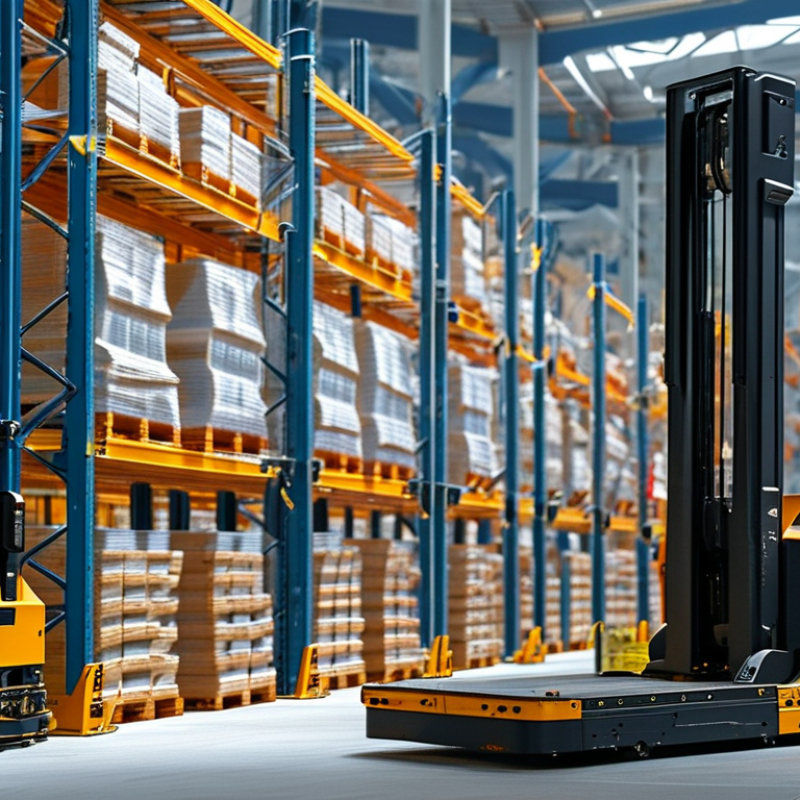
What is AGV Lift and How Can It Benefit Your Warehouse?

What is an AGV Lift and Its Functionality in Warehousing

AGV lifts, or Automated Guided Vehicle lifts, play a pivotal role in modern warehousing. They integrate with automation systems to streamline operations. These lifts can transport goods safely between different levels, facilitating vertical movement in space-limited warehouses. According to a report by the Material Handling Industry of America, automation can increase warehouse efficiency by up to 30%. This is a significant gain for businesses looking to optimize their supply chains.

Effective utilization of AGV lifts improves safety by reducing human error. Workers face fewer hazards and can focus on more complex tasks. Research shows that facilities implementing automated systems experience a 50% reduction in workplace accidents. Organizations often overlook the importance of human oversight. A balance between automation and human control can lead to better decision-making and fewer operational hiccups.

Tips: Regular maintenance checks are essential to avoid unexpected failures. Ensuring that all components are functioning properly can prevent costly downtimes. Additionally, training staff on the coexistence of AGV systems and traditional methods can enhance productivity. Investing in ongoing education could be a game-changer for many warehouses.

What is AGV Lift and How Can It Benefit Your Warehouse?

Feature Description Benefits
Automation AGV lifts are automated guided vehicles designed to transport and lift goods within a warehouse. Increases efficiency and reduces the need for manual labor.
Space Optimization AGV lifts can navigate tight spaces and maximize vertical storage. Improves storage capacity and overall space utilization in the warehouse.
Safety Equipped with sensors to avoid obstacles and ensure safe operation. Reduces workplace accidents and enhances employee safety.
Cost-Effectiveness Lower operational costs through reduced labor and increased throughput. Enhances profitability by minimizing overhead costs.
Flexibility Can be easily reprogrammed to adapt to changing warehouse layouts or processes. Supports dynamic warehouse operations and scalability.

Key Components of AGV Lifts and Their Technology

AGV lifts, or Automated Guided Vehicle lifts, play a crucial role in modern warehouse operations. These systems are designed to autonomously transport and elevate goods within a warehouse, enhancing efficiency. A key component of AGV lifts is their navigation technology, which typically includes sensors and cameras. This allows them to avoid obstacles and navigate complex environments accurately.

The lifting mechanism is another vital technology in AGV lifts. Most systems utilize hydraulic or electric motors to raise and lower loads. These mechanisms are capable of handling various weights and sizes, adapting to different storage requirements. However, maintenance of these components is essential. Failure to do so can lead to operational downtime or accidents.

Moreover, the integration of AGV lifts with Warehouse Management Systems (WMS) is increasingly important. This integration enables real-time tracking of inventory movement, ensuring that stock levels are optimized. Users may find challenges in initial setup or software compatibility, which can hinder efficiency. However, addressing these issues can greatly enhance warehouse operations in the long run.

Advantages of Implementing AGV Lifts in Warehouse Operations

AGV lifts, or Automated Guided Vehicle lifts, are transforming warehouse operations. These advanced systems streamline the movement of goods, significantly enhancing efficiency. With their ability to lift and transport heavy items, AGV lifts reduce the physical strain on workers. This technology also minimizes potential accidents, leading to a safer work environment.

Implementing AGV lifts offers numerous advantages. For one, they can operate continuously, providing a consistent flow of materials. This can help meet increasing demand without the need for additional manpower. However, a challenge exists in the initial integration of these systems. Proper training and system adjustments are crucial for maximizing potential benefits.

Moreover, AGV lifts can lead to improved space utilization in warehouses. By optimizing vertical storage, they can free up floor space for other activities. Yet, this advancement requires thoughtful planning. Organizations need to assess their specific needs to avoid over-automation. Careful evaluation can guide the effective implementation of AGV lifts, ensuring that they contribute positively to operations.

Benefits of Implementing AGV Lifts in Warehouse Operations

Challenges and Considerations for AGV Lift Integration

Integrating AGV lifts into warehouse operations presents several challenges. One primary concern is the compatibility of existing infrastructure. Not all warehouses are designed for AGVs. Modifications may be necessary to accommodate these technologies. This can involve adjusting floor layouts or reinforcing structures for safe AGV movement. Each change incurs costs, complicating the implementation process.

Training staff is another significant hurdle. Employees must learn to work alongside AGVs. Understanding how to interact with automated systems is essential. Resistance to change is common, as some workers may feel threatened by automation. Companies need to invest time and resources in training programs. This helps ease transitions and builds confidence among staff.

Moreover, maintenance responsibilities can be daunting. Regular checks are crucial to ensure AGV lift reliability. Unexpected breakdowns can disrupt workflow and delay operations. Develop a preventive maintenance schedule to mitigate these risks. Collaboration between IT and operational teams is necessary for effective troubleshooting. Careful planning in these areas will ultimately lead to smoother AGV lift integration in warehouses.

Future Trends of AGV Lifts in Supply Chain Management

The future of AGV lifts in supply chain management promises exciting advancements. These automated guided vehicles are becoming increasingly sophisticated, integrating AI and machine learning. They can navigate complex environments, making them essential for modern warehouses. With the ability to lift heavy loads and transport goods efficiently, AGV lifts enhance operational productivity.

However, challenges remain. Not all warehouses are designed to accommodate these innovations. Retrofitting existing layouts can be costly and time-consuming. Some sectors may find it difficult to adapt to rapid technological changes. Additionally, reliance on AGV lifts raises questions about workforce dynamics. Balancing automation with human labor requires careful consideration.

Trends indicate that AGV lifts will become even more versatile. Future designs may include enhanced safety features and improved energy efficiency. Integration with other technologies, like IoT, could enable real-time monitoring. These developments could reshape supply chains, making them more agile and responsive. Yet, companies must remain vigilant about the potential pitfalls of over-automation. Addressing these concerns will be crucial as AGV lifts evolve.

Article Source:

Learn More

Connect with us today to learn more about our industrial automation solutions—and how to commission them for your application.