2026 Top Led Lightbar Trends What Buyers Need to Know?
As we approach 2026, the landscape of Led Lightbars continues to evolve. These powerful lighting solutions have become essential for various applications, from everyday driving to off-road adventures. The latest trends in LED lightbars showcase advancements in technology, design, and energy efficiency. Buyers must stay informed to make the best choices.
Choosing the right LED lightbar can be overwhelming. With numerous options on the market, understanding key features is crucial. Factors such as brightness, beam patterns, and durability should guide your decision. Additionally, it’s essential to consider the mounting options and compatibility with your vehicle.
Despite their popularity, there are still areas for improvement in LED lightbar performance. Some buyers may not realize the importance of warranty and customer support. These aspects can significantly impact your experience. As you explore the trends for 2026, remember that the best choice balances practicality and innovation.
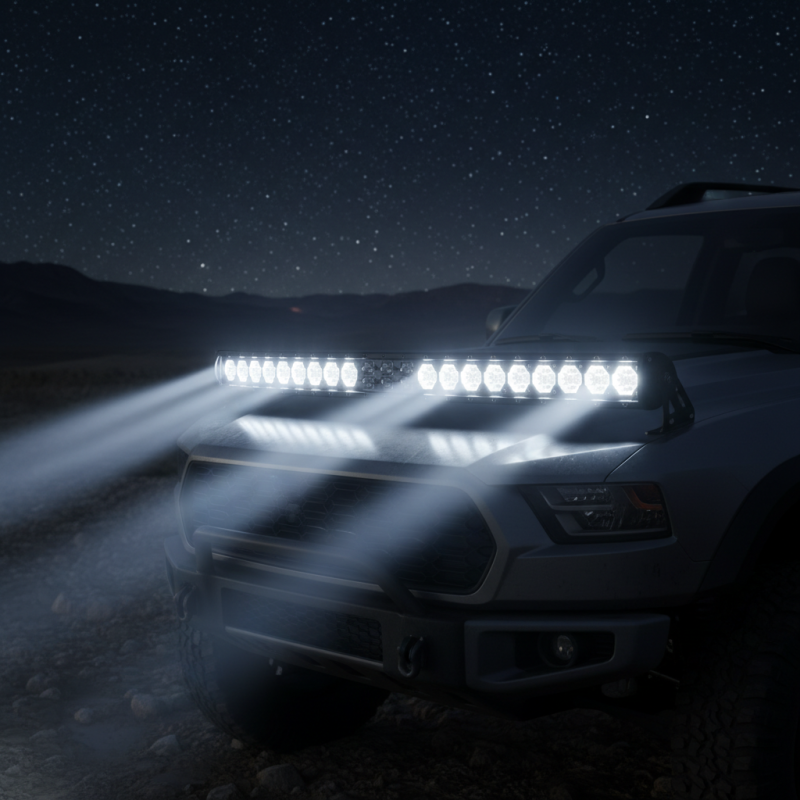
Emerging Technologies in LED Lightbars for 2026
As we look towards 2026, LED lightbars are undergoing significant transformations driven by emerging technologies. One exciting trend is the integration of smart technology. Smart LED lightbars can adjust brightness based on ambient light conditions. This adaptation maximizes visibility while conserving energy, addressing both performance and sustainability concerns.
Another notable development is the use of advanced materials. Innovative designs incorporate lightweight composites that enhance durability. These materials provide better heat dissipation and improve lifespan. However, there remains a challenge: balancing weight and strength without sacrificing performance. Such breakthroughs could revolutionize how lightbars perform in demanding conditions.
Wireless connectivity is becoming more prevalent. Future lightbars may feature remote control capabilities, allowing users to customize settings from their devices. This innovation offers convenience but also raises questions about security and reliability. As technology evolves, manufacturers will need to prioritize performance while ensuring user safety against potential vulnerabilities.
Key Features to Consider When Buying LED Lightbars
When looking to purchase an LED lightbar, multiple factors come into play. Brightness is paramount. Most users want superior visibility. Consider the lumen output, as this determines how much light the bar emits. A bar with higher lumens typically offers better performance in dark conditions.
Quality of construction is vital too. Materials should be durable. Aluminum housings are often favored for their lightweight yet sturdy nature. Look for features such as weatherproof ratings. The best lightbars can resist harsh elements, keeping you safe and satisfied in unpredictable conditions.
Tips: Check user reviews for real-world performance. This feedback reveals strengths and weaknesses you might overlook. Don't rush your decision based on price alone; sometimes, a higher price reflects better quality.
Adjustability is another feature worth examining. Some lightbars allow you to change the beam pattern. This flexibility enhances your driving experience. Ensure the mounting options suit your vehicle's design. Failure to do this could result in complicated installations. Remember, sometimes a complicated setup can lead to performance issues later on.
Top Brands Dominating the LED Lightbar Market in 2026
The LED lightbar market is evolving rapidly. In 2026, several key brands are set to dominate this sector. Industry reports indicate that the global LED lightbar market is expected to grow significantly, with a projected compound annual growth rate (CAGR) of over 10% from 2023 to 2028. This growth is fueled by advancements in energy efficiency and an increasing demand for versatile lighting solutions.
Key players are focusing on innovative designs. Manufacturers are investing in technology to enhance durability and brightness. Some brands emphasize user customization options. They allow customers to tailor features according to specific needs—whether they require off-road durability or optimal visibility for emergency vehicles. According to a recent report, over 60% of customers prioritize brightness and durability when evaluating lightbars.
Despite these advancements, some gaps exist. Not every brand offers comprehensive customer service. Users may find it challenging to navigate warranty details. Additionally, the array of options can overwhelm buyers. It's essential to ensure that products meet safety regulations. Industry professionals suggest thorough research before purchasing. Seeking reviews and real-world feedback can be valuable to make informed decisions.
Comparative Analysis of LED Lightbar Styles and Applications
As LED technology evolves, various styles of lightbars emerge to suit different applications. Buyers should understand the unique features of each type. For instance, a report from Research and Markets notes that the LED lightbar market is projected to grow by over 7% annually through 2026. This growth highlights the increasing demand for versatile lighting solutions across industries.
Different LED lightbar styles, such as flood, spot, and combination, serve specific purposes. Flood lightbars illuminate a wide area, making them ideal for off-road applications. Spot lightbars, on the other hand, project light over long distances, suitable for highway use. The report suggests that combination lightbars are becoming popular due to their adaptability. They offer both flood and spot capabilities, catering to diverse needs.
Tips: When selecting an LED lightbar, consider beam patterns and output lumen ratings. It's essential to match the lightbar style with your primary use case. Additionally, be cautious about over-illuminating, as excessive brightness can lead to dangerous glare. Understanding your environment's specific requirements will lead to better choices.
Environmental Impact and Energy Efficiency of LED Lightbars
The environmental impact of LED lightbars is significant. These energy-efficient lighting solutions consume up to 75% less energy compared to traditional halogen options. A report by the U.S. Department of Energy states that switching to LEDs can save around 222 terawatt-hours of energy annually. This is equivalent to the electricity used by about 20 million homes.
Tips: Always check for ENERGY STAR certification when buying lightbars. This ensures higher efficiency and lower emissions.
LEDs have a longer lifespan, lasting around 25,000 hours or more. This reduces waste, as fewer replacements are required. However, not all lightbars are created equal. Some may contain harmful materials that can affect recycling efforts. Potential buyers should research manufacturers' practices to ensure responsible production.
Tips: Look for brands that offer transparent recycling programs for old products. This promotes sustainability.
Consider the overall life cycle impact of your purchase. While LEDs are more efficient, production processes can still be resource-intensive. Understanding this balance is vital for making informed decisions. The shift to LED technology is a positive step, yet continuous improvement is necessary.
2026 Top Led Lightbar Trends What Buyers Need to Know? - Environmental Impact and Energy Efficiency of LED Lightbars
| Feature | Description | Environmental Impact | Energy Efficiency (Lumen/Watt) |
| Lifespan | Typically 30,000 to 50,000 hours | Reduces waste due to longer replacement periods | 100-150 L/W |
| Energy Consumption | Low power usage compared to traditional lights | Lower greenhouse gas emissions | 0.5-1.5 kWh per day (for typical use) |
| Material | Aluminum housing with PC lens | Recyclable materials reduce landfill waste | High durability leads to less frequent replacements |
| Heat Emission | Minimal heat output | Lower energy loss and reduces cooling needs | N/A |
| Light Quality | High-intensity, continuous light output | Improves visibility while minimizing light pollution | 80-120 CRI |