2026 Best 1.5mm Stainless Steel Sheet for Global Buyers
Choosing a 1.5mm Stainless Steel Sheet for international projects involves more than comparing prices. Buyers need to match the sheet’s grade, finish, dimensions, and intended use. A polished surface may suit visible interior panels, while a different finish may be more practical for fabrication. Details matter. The right choice depends on the job, not just the product name.
Before requesting a quotation, confirm thickness tolerances, sheet size, edge condition, and available documentation with the supplier. Ask whether material test certificates and inspection records can be provided, and check that the quoted grade matches your specification. These steps help reduce surprises during cutting or installation. A sample can also reveal surface marks that photographs may hide.
Global orders bring additional practical questions. Clarify packing methods, shipment terms, lead times, and how the sheets will be protected from moisture and scratches in transit. A low quote can look convincing; it may not tell the whole story. Compare offers on the same technical basis, including freight and documentation. Even experienced buyers can overlook one detail. No single sheet is best for every market or application, and supplier claims should be checked against written specifications. Use this guide to assess options carefully and ask more informed questions before placing an order.
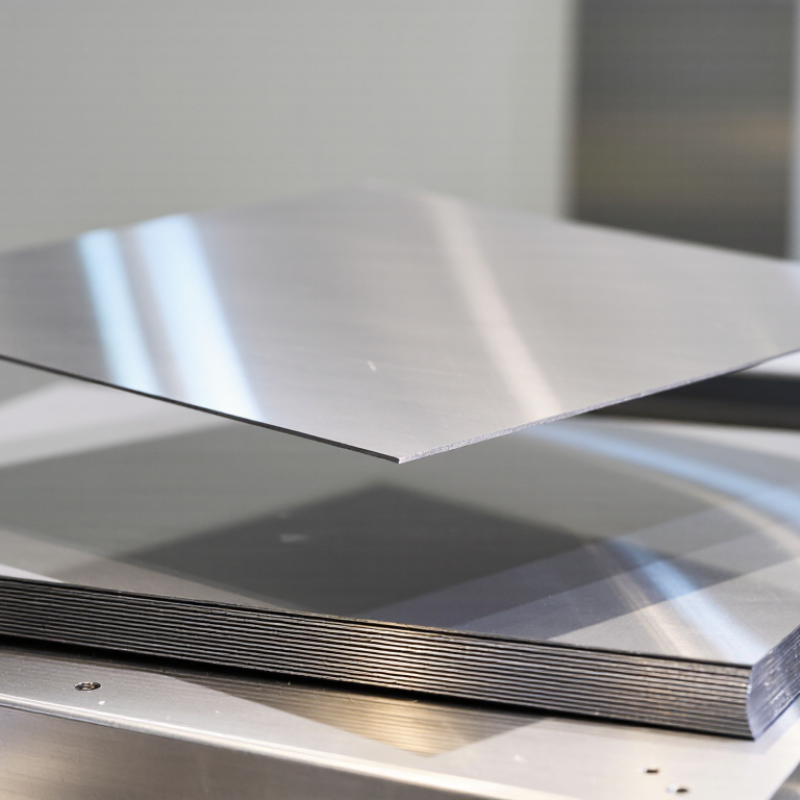
What Defines a 1.5mm Stainless Steel Sheet
A 1.5mm stainless steel sheet is defined by more than its nominal thickness. The figure refers to the specified thickness, while the permitted variation depends on the applicable product standard, production route, and purchase agreement. Buyers should confirm the tolerance in writing rather than assume every sheet measures exactly 1.50mm. That distinction matters.
The material grade defines its composition and performance, including corrosion resistance and suitability for forming or welding. Surface finish also changes how a sheet looks and behaves: a brushed surface has visible grain, while a smoother finish reflects more light. Ask suppliers to state the grade, finish, sheet dimensions, and whether protective film is applied. These details affect handling and fabrication.
For a practical check, measure several points across a clean sheet with a calibrated micrometer, avoiding burrs and edges. Record the readings and compare them with the agreed tolerance. Flatness, edge condition, and surface marks deserve inspection too. A sheet can meet thickness requirements yet still need extra straightening or finishing. In my experience, overlooking that difference can complicate downstream work. Specification sheets are useful, but they cannot replace checking the delivered material.
2026 Best 1.5mm Stainless Steel Sheet for Global Buyers
What defines a 1.5mm stainless steel sheet? Its nominal thickness, stainless grade, and resulting material weight are key specification points.
Estimated mass per square metre is calculated from nominal thickness (1.5 mm) and representative densities: 201 ≈ 7.8, 304 ≈ 8.0, 316 ≈ 8.0, and 430 ≈ 7.7 g/cm³. Actual sheet weight can vary with composition and thickness tolerances.
How Grades, Finishes, and Standards Differ
For 1.5 mm stainless steel sheet, grade affects corrosion resistance, formability, and cost. Grade 304 suits many indoor and general-purpose applications, including equipment panels and kitchen surfaces. Grade 316 offers added molybdenum, which can improve resistance to chloride exposure near coastal sites. Grade 430 is often selected for indoor trim and appliances, but it is less resistant to corrosion than 304 or 316. These are useful starting points, not guarantees; actual performance depends on exposure, fabrication, and maintenance.
Surface finish changes both appearance and cleaning behavior. A 2B finish is smooth and practical for many fabricated parts, while a brushed finish shows directional grain and can reveal scratches differently. BA surfaces are bright and reflective. Small detail. Confirm the finish code and sample appearance, since names can vary between suppliers.
Standards matter too: ASTM and EN specifications may define different grade designations, chemical limits, and tolerances. Ask for the exact standard, thickness tolerance, and material test documentation, rather than relying on a grade name alone. A certificate is helpful, but it should match the delivered coil or sheet. Even careful comparisons can miss fabrication needs, so check forming and welding requirements before placing an order.
How Dimensions, Tolerances, and Properties Are Specified
For a 1.5 mm stainless steel sheet, specify more than thickness. State the required width, length, grade, surface finish, edge condition, and measurement units. Then name the dimensional standard and its edition. ASTM A480/A480M provides general requirements for flat-rolled stainless products, while applicable thickness tolerances depend on details such as product form and width. Avoid assuming one tolerance fits every order. It may not.
Mechanical and chemical properties also need clear limits. Identify the grade and require a mill test certificate showing the heat analysis and relevant mechanical test results. The 2024 World Stainless report records 58.4 million tonnes of global stainless steel melt-shop production in 2023, underscoring the scale of international supply. But large output does not guarantee consistent sheet dimensions between mills or batches. Check certificates against the purchase specification, and clarify how thickness is measured.
Tips: Ask suppliers to confirm the tolerance range in writing, including whether measurements exclude surface coatings. For incoming checks, use a calibrated micrometer and sample several points across the sheet. A tidy certificate helps, but it cannot replace inspection.
Where 1.5mm Stainless Steel Sheets Are Used
A 1.5mm stainless steel sheet is thin enough for efficient forming, yet sturdy enough for many interior and light-duty applications. In commercial kitchens, fabricators use it for splashbacks, work surfaces, cabinet panels, and equipment covers. Its smooth surface is easy to wipe, though seams and corners still need careful cleaning. A polished finish looks bright. Fingerprints show.
In buildings, this thickness appears in elevator interiors, door skins, wall trims, and decorative panels. It may suit sheltered exterior details when the grade, finish, fixing method, and local exposure are considered together. Near salt spray or pool chemicals, choosing by thickness alone is a mistake. Corrosion resistance depends heavily on the alloy and maintenance.
Manufacturers also form 1.5mm sheet into appliance housings, control enclosures, and vehicle interior components. It cuts and bends readily with suitable tooling, but broad unsupported panels may flex or drum. Check the edges. Add folds, stiffeners, or supports where the design requires them, then assess the finished part under realistic loads. Sample testing is worthwhile; paper specifications cannot reveal every fabrication issue.
How Global Buyers Compare Suppliers and Purchase Options in 2026
In 2026, global buyers comparing 1.5 mm stainless steel sheet should look beyond the quoted price. Ask each supplier to specify the steel grade, thickness tolerance, surface finish, sheet dimensions, and measuring method. A mill test certificate should match the heat number on the bundle, not merely the product description. Request a small sample. Check its edges, protective film, and surface under ordinary warehouse lighting. A polished photograph can hide scratches.
Buying options depend on production needs. Full sheets may suit regular, high-volume work, while cut-to-size pieces can reduce trimming waste but increase unit costs. Compare minimum order quantities, realistic lead times, packaging, and freight terms on the same basis. Ask how the sheets are protected against moisture and movement during transit, and get the answer in writing. It is easy to overvalue a quick reply; responsive service alone does not prove consistent quality. No checklist catches everything. Batch variation can still occur, so buyers should clarify inspection criteria and how discrepancies will be handled before placing a large order.
